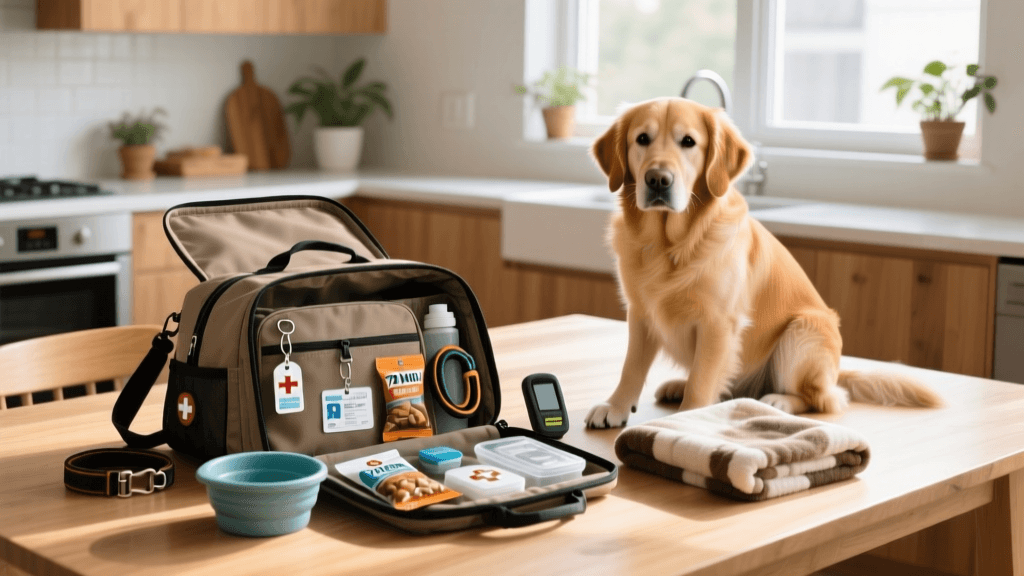
Dog Travel Myths Debunked: Flying and Road Trip Guide
Discover the truth about flying and road tripping with your dog. We debunk common pet travel myths and share actionable tips for a safe journey.
Introduction: Navigating the World of Pet Travel
Traveling with your dog can be one of life's greatest joys, whether you are embarking on a cross-country road trip or flying to a new destination. However, the internet is saturated with outdated advice, dangerous myths, and conflicting information regarding pet travel. According to the American Kennel Club, over 30 million Americans travel with their pets annually, yet many still fall victim to misconceptions that can compromise their dog's safety and comfort.
In this comprehensive guide, we will debunk the most pervasive dog travel myths, separating fact from fiction. We will also provide actionable advice, specific product recommendations, and exact measurements to ensure your next journey is smooth, safe, and stress-free for both you and your furry companion.
Myth 1: Sedating Your Dog for Flights is Safe and Recommended
The Myth: Many well-meaning owners believe that giving their dog a prescription sedative or tranquilizer before a flight will keep them calm and reduce anxiety during the journey.
The Fact: Sedating a dog for air travel is highly dangerous and strongly discouraged by veterinary professionals. The American Veterinary Medical Association (AVMA) explicitly warns against tranquilizing pets for flights. At high altitudes, the air pressure in the cargo hold (and even the cabin) changes, which can cause unpredictable cardiovascular and respiratory depression in sedated animals. Brachycephalic (short-nosed) breeds like Pugs and French Bulldogs are at an exponentially higher risk of fatal respiratory distress when sedated.
Actionable Advice: Instead of sedation, focus on crate acclimation and natural calming aids. Start desensitizing your dog to their travel crate at least four to six weeks before your trip. Feed them meals inside the crate and use high-value treats like freeze-dried liver to build positive associations. For mild anxiety, consider using an Adaptil pheromone spray (approx. $15) on their bedding 30 minutes before travel, or consult your vet about non-sedating anxiety supplements like Zesty Paws Calming Bites (approx. $25 for an 8oz bag).
Myth 2: Any Hard Plastic Crate is Airline-Approved
The Myth: If a crate is made of hard plastic and labeled "pet carrier," it will be accepted by airlines for cargo or checked baggage travel.
The Fact: Airlines strictly enforce the International Air Transport Association (IATA) Live Animals Regulations (LAR). A standard pet store carrier often fails these rigorous requirements. For example, IATA mandates that crates must have metal nuts and bolts (plastic clips are rejected because they can shatter under pressure), ventilation on all four sides for international flights, and "Live Animal" stickers with upright arrows.
Actionable Advice: Invest in an IATA-compliant crate like the Petmate Sky Kennel (ranging from $100 to $180 depending on size). If your crate comes with plastic fasteners, you must purchase a separate metal bolt and nut kit (approx. $15 on Amazon) and replace them.
How to Measure for an Airline Crate:
- Length: Measure from the tip of the nose to the base of the tail, then add half the height of the front leg.
- Height: Measure from the floor to the tip of the ears (or the top of the head if the ears are erect).
- Clearance: Ensure there is at least 2 to 3 inches of clearance above the dog's head when standing naturally.
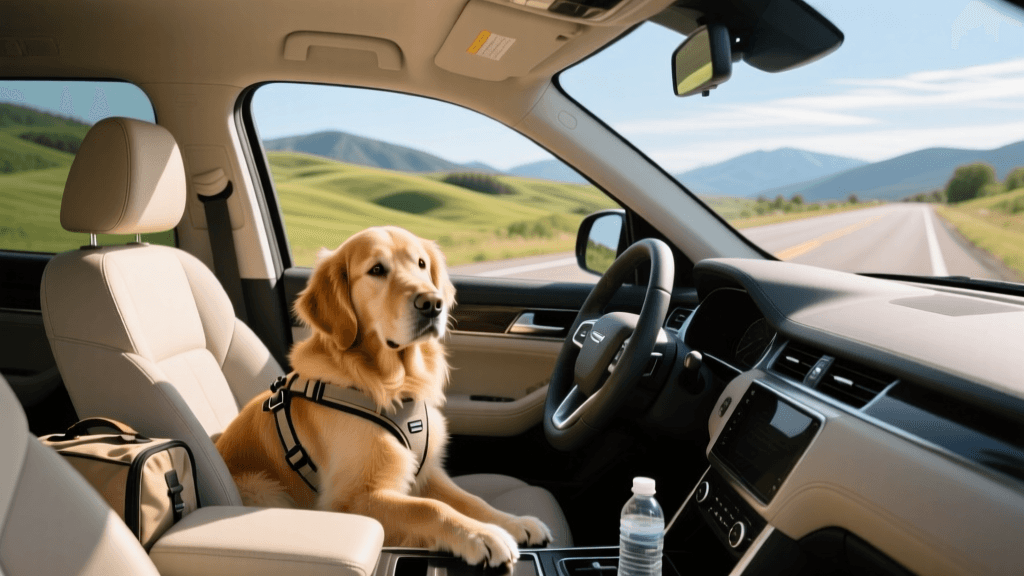
Myth 3: Dogs Can Safely Roam the Car on Road Trips
The Myth: Dogs are perfectly safe roaming freely in the backseat or sitting on the owner's lap during a road trip, as long as they are well-behaved.
The Fact: An unrestrained dog in a moving vehicle is a severe safety hazard. In the event of a sudden stop or collision at just 30 mph, a 50-pound dog becomes a 2,000-pound projectile. This not only poses a fatal risk to the dog but also to the human passengers in the vehicle. Furthermore, a roaming dog can distract the driver or slip under the brake pedal, causing an accident.
Actionable Advice: Always use a crash-tested restraint system. Avoid cheap, unreinforced zip-line tethers or standard walking harnesses, which can snap under crash forces. Look for products certified by the Center for Pet Safety. Top recommendations include:
- Sleepypod Clickit Sport Harness ($90 - $110): A three-point design that distributes force across the chest and shoulders.
- Kurgo Enhanced Strength Harness ($70 - $85): Features steel nesting buckles and a broad chest plate.
- Gunner G1 Kennel ($500+): If you prefer a crate for car travel, this is one of the few 5-star crash-tested kennels on the market, secured with heavy-duty tie-down straps.
Myth 4: You Can Just Show Up to the Airport with Your Pet
The Myth: As long as you have your dog and their vaccination tags, you can book a ticket and fly together on the same day.
The Fact: Pet travel requires meticulous, time-sensitive paperwork. Airlines limit the number of pets allowed in the cabin or cargo per flight (usually 2 to 5 in-cabin, and a strict weight/temperature limit for cargo). Furthermore, crossing state or international borders requires an official health certificate.
Actionable Advice: Begin your preparation at least 30 days in advance. If you are traveling internationally or to states with strict rabies laws (like Hawaii), you must visit a USDA-accredited veterinarian. The vet will issue a USDA APHIS Form 7001 (Interstate and International Certificate of Small Animal Health). This document typically costs between $50 and $150 for the vet exam, plus a $38+ USDA endorsement fee. According to the USDA APHIS Pet Travel guidelines, the health certificate must usually be issued within 10 days of your departure date. Additionally, if you are entering or re-entering the United States from a high-risk rabies country, you must comply with the strict microchip and vaccination protocols outlined by the Centers for Disease Control and Prevention (CDC), which require an ISO-compatible 15-digit microchip.
Airline Cabin vs. Cargo Travel: A Comparison
Understanding the logistical differences between cabin and cargo travel is essential for planning your trip. Below is a comparison chart to help you determine which option fits your dog's profile.
| Feature | Cabin Travel (In-Cabin) | Cargo Travel (Checked Pet) |
|---|---|---|
| Weight/Size Limit | Dog + soft carrier must fit under seat (usually under 15-20 lbs total). | Up to 70-100 lbs (including crate), depending on airline and aircraft breed restrictions. |
| Cost | Typically $95 to $150 each way. | Typically $200 to $500+ each way, based on crate dimensions and weight. |
| Crate Requirements | Soft-sided, ventilated carrier with waterproof bottom. | IATA-compliant hard plastic kennel with metal bolts and live animal stickers. |
| Booking Window | Must call immediately after booking human ticket; spots fill up in hours. | Requires separate cargo booking, often 10-14 days in advance. |
| Temperature Embargoes | Rarely affected, as cabin is climate-controlled. | Strict embargoes if tarmac temps are below 45°F or above 85°F. |
Final Thoughts on Safe Dog Travel
Debunking these common myths is the first step toward becoming a responsible and prepared pet traveler. By avoiding dangerous sedatives, investing in IATA-approved or crash-tested gear, and managing your paperwork well in advance, you can transform a potentially stressful ordeal into a memorable adventure. Always consult your veterinarian and review your specific airline's pet policy at least a month before your departure to ensure a seamless journey for you and your best friend.
priya-sutaria
All our authors care for dogs every day — read more of their work on the authors page.