Dog Calming Signals: Urban Walking Guide for 2026
Learn to read canine calming signals during busy city walks in 2026. Reduce your dog's stress with our practical urban body language guide.
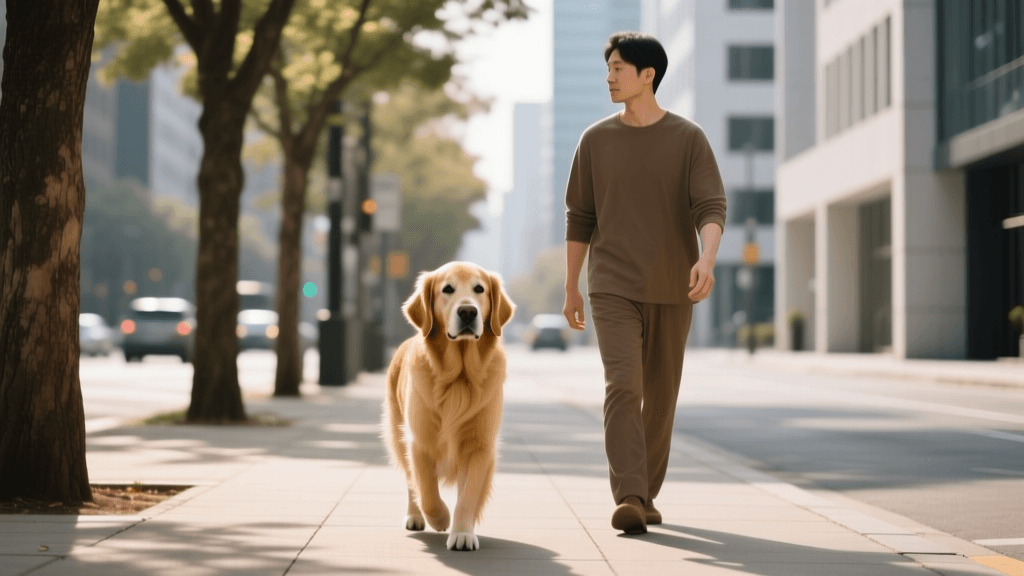
As we navigate the increasingly complex urban landscapes of 2026, our dogs face a sensory environment that is vastly different from the one their ancestors evolved to understand. The proliferation of silent electric vehicles, autonomous delivery robots, and high-speed e-mobility scooters has introduced a new layer of chronic, low-grade stress to the daily city walk. While we might appreciate the convenience of modern urban infrastructure, our canine companions are constantly processing a barrage of unnatural stimuli. To bridge this gap, we must become fluent in canine communication—specifically, the subtle "calming signals" dogs use to de-escalate tension and self-soothe.
Coined by renowned Norwegian dog trainer Turid Rugaas, calming signals are a universal canine language used to prevent conflict, express discomfort, and maintain social harmony. In a bustling 2026 metropolis, recognizing these signals is no longer just a niche training skill; it is an essential component of responsible urban dog ownership. According to the RSPCA, understanding subtle body language is critical for preventing behavioral escalation and ensuring your dog feels secure in unpredictable environments.
The Hidden Language of the Urban Dog
Dogs are primarily visual and olfactory communicators. While humans rely heavily on vocalization, dogs use micro-movements of their ears, lips, eyes, and bodies to convey their internal emotional state. When a dog is exposed to a stressor—such as a sudden, silent approach from an electric commuter bike—they will often deploy calming signals before resorting to more overt reactions like barking or lunging.
In 2026, veterinary behaviorists emphasize the importance of early intervention. By recognizing the earliest signs of stress, owners can alter their walking routes, increase distance from triggers, and advocate for their dog's boundaries. The American Kennel Club (AKC) notes that dogs who are consistently ignored when offering subtle calming signals may eventually skip these early warnings and jump straight to reactive behaviors.
Top 5 Canine Calming Signals to Watch For
To protect your dog's mental well-being on busy city sidewalks, you must learn to spot these five common calming signals:
1. The "Look Away" or Head Turn
When an approaching stranger, another dog, or a loud street sweeper enters your dog's periphery, they may abruptly turn their head away or present the side of their face. This is not distraction; it is a polite canine request for space. In direct eye contact, dogs can feel threatened. By breaking the gaze, your dog is signaling, "I am not a threat, please do not threaten me." If your dog turns their head away from an approaching e-scooter, do not force them to look at it. Instead, create physical distance.
2. Contextual Lip Licking and Yawning
While lip licking and yawning are normal physiological responses to food or tiredness, they become potent calming signals when performed out of context. If your dog suddenly yawns repeatedly while waiting at a noisy crosswalk, or rapidly flicks their tongue over their nose when a delivery drone hovers nearby, they are experiencing acute stress. This self-soothing behavior releases endorphins, helping the dog cope with the overwhelming sensory input of the modern urban grid.
3. Intentional Ground Sniffing
We often assume our dogs are simply tracking an interesting scent when they bury their nose in the pavement. However, sudden, intense sniffing when a trigger approaches is a classic avoidance and calming behavior. It is the canine equivalent of pretending to read a book on a train to avoid making eye contact with a stranger. If your dog suddenly becomes fascinated by a barren patch of concrete as a loud group of pedestrians walks by, allow them to sniff. It is their coping mechanism.
4. The Full-Body Shake-Off
You have likely seen your dog shake vigorously from nose to tail after a bath. When this exact motion occurs on a dry day, immediately following a stressful encounter (like a close pass from a loud garbage truck or an off-leash dog), it is a physiological reset. The shake-off literally "shakes off" the accumulated adrenaline and cortisol. It signifies the end of a stressful event. Allow your dog the space to complete the shake before asking them to continue walking.
5. Curving the Approach
Dogs naturally approach one another in a curve rather than a straight line, which is considered confrontational in dog body language. On narrow 2026 city sidewalks, your dog may try to pull toward the grass or curve their body away from an oncoming pedestrian or dog. If the leash prevents this natural curve, the dog may feel trapped, leading to leash reactivity. Always give your dog enough leash slack to walk in a slight arc when passing triggers.
Urban Stressors: Why City Dogs Need Extra Help in 2026
The urban environment has evolved rapidly. The transition to green infrastructure means our cities are quieter in some ways, but this introduces the danger of silent, fast-moving electric vehicles that startle dogs who rely on auditory cues to track approaching threats. Furthermore, the density of high-rise living means dogs are forced into close-proximity encounters in elevators, lobbies, and narrow corridors multiple times a day.
A 2026 survey by urban veterinary clinics indicates a 22% rise in leash reactivity directly correlated to the inability of owners to read early calming signals in high-density living situations. When a dog's polite requests for space (like a head turn or a yawn) are repeatedly ignored because the owner is distracted by a smartphone, the dog learns that subtle communication does not work. Consequently, they escalate to barking, growling, or lunging to achieve the desired distance.
Actionable Strategies: How to Respond to Calming Signals
Recognizing the signal is only half the equation; your response dictates your dog's future confidence. Below is a structured guide on how to handle these signals during your daily urban walks.
| Calming Signal | Common Urban Trigger (2026) | Recommended Owner Action |
|---|---|---|
| Head Turn / Look Away | Approaching pedestrian or e-bike | Stop walking, step off the main path, and let the trigger pass. Do not pull the leash. |
| Yawning / Lip Licking | Loud construction noise or hovering drone | Use a calm, soothing voice. Toss a few high-value treats on the ground to encourage foraging and sniffing. |
| Intense Ground Sniffing | Oncoming dog on a narrow sidewalk | Give full leash slack. Cross the street if possible. Do not force the dog to look at the trigger. |
| The Shake-Off | After a close encounter or loud siren | Stand still and wait. Praise softly once the shake is complete, then resume walking at a relaxed pace. |
| Curving the Path | Narrow corridors or crowded intersections | Use a long line (10-15 ft) in open areas. In tight spaces, position your body between your dog and the trigger. |
Upgrading Your Walking Gear for Better Communication
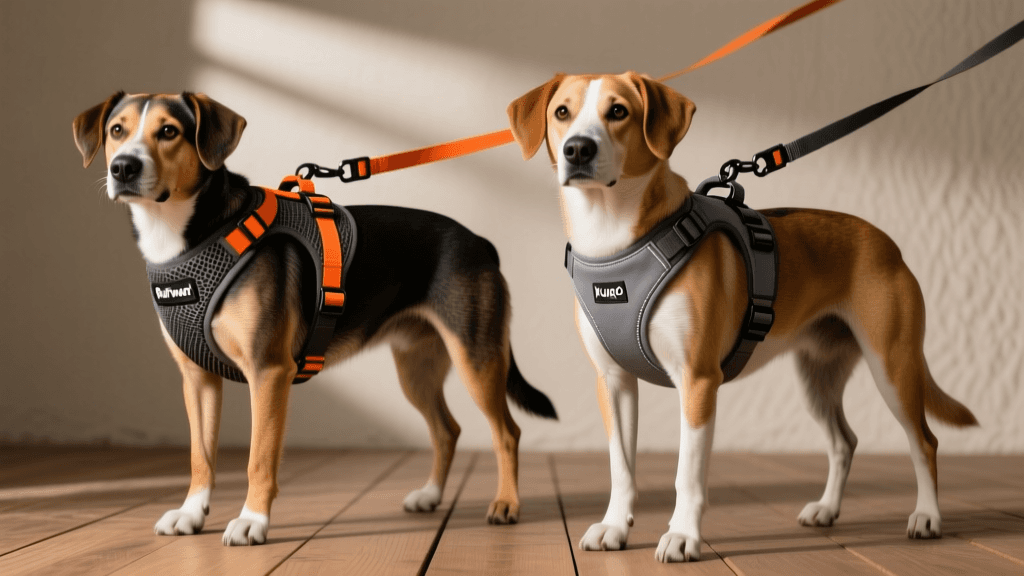
To properly support your dog's calming signals, your equipment must allow for natural movement. Restrictive gear, such as tight chest harnesses or slip leads, can physically prevent a dog from executing a proper shake-off or curving their body, leading to increased frustration.
In 2026, the gold standard for urban walking is a well-fitted, Y-front harness paired with a 6-to-8-foot biothane or leather leash. Avoid retractable leashes in high-density areas; the constant tension they apply to the harness mimics the feeling of being restrained, which can trigger a fight-or-flight response and suppress natural calming signals. A standard flat leash allows you to easily give "slack" the moment you notice a head turn or a yawn, instantly rewarding your dog's polite communication.
Conclusion: Becoming Your Dog's Advocate
Living with a dog in a modern, bustling city requires a profound shift in perspective. We must stop viewing our dogs as mere companions on a leash and start viewing them as sentient beings navigating a foreign, often overwhelming world. By learning to read and respect canine calming signals, you transform from a simple leash-holder into a trusted advocate.
When you honor your dog's head turns, yawns, and sniffing breaks, you build a foundation of deep, cross-species trust. Your dog learns that they do not need to shout (bark or lunge) to be heard; a whisper (a lip lick or a look away) is enough for you to understand and protect them. As we continue through 2026, let this silent, beautiful language be the cornerstone of your urban walks, ensuring every outing is a source of joy rather than stress.
robin-maitland
All our authors care for dogs every day — read more of their work on the authors page.