How to Stop a Dog From Pulling on the Leash Guide
Discover expert answers to the most asked questions about stopping leash pulling. Learn the best harnesses, training steps, and timelines for calm walks.
Introduction: The Universal Struggle of Leash Pulling
If your daily walks feel more like a competitive game of tug-of-war than a relaxing stroll, you are not alone. Leash pulling is consistently ranked as one of the most common behavioral complaints among dog owners. Whether you have a 10-pound Terrier or a 90-pound Labrador, a dog that pulls can make walks stressful, exhausting, and even physically dangerous. In this comprehensive guide, we are tackling Google's most frequently asked questions about leash pulling, providing you with science-backed, actionable advice to transform your chaotic walks into peaceful bonding experiences.
Google's Most-Asked Questions About Leash Pulling
1. Why Does My Dog Pull on the Leash?
To fix the problem, you first need to understand the root cause. Dogs pull for several natural reasons. First, dogs walk at a much faster natural pace than humans. Second, the canine world is experienced primarily through scent; when your dog catches an interesting odor, their instinct is to move toward it immediately. Finally, dogs experience an "opposition reflex." When they feel pressure against their chest or neck, their natural instinct is to push forward against it. According to the American Kennel Club (AKC), pulling is often inadvertently reinforced by owners who simply follow the dog when they pull, teaching the dog that pulling equals forward movement.
2. What Is the Best Equipment to Stop Pulling?
Choosing the right gear is critical. Standard flat collars and retractable leashes (like Flexi leads) often encourage pulling and can cause tracheal damage. Instead, experts recommend specific no-pull tools. Below is a comparison chart of the most effective, humane options available on the market:
| Tool Type | Top Product Example | Average Cost | Best For | Safety Note |
|---|---|---|---|---|
| Front-Clip Harness | Rabbitgoo No-Pull Harness | $20 - $25 | Mild to moderate pullers | Ensure a two-finger fit to prevent chafing under the armpits. |
| Head Halter | PetSafe Gentle Leader | $15 - $20 | Severe pullers, large breeds | Never jerk the leash; requires slow desensitization to wear. |
| Martingale Collar | If It Barks Designer Martingale | $15 - $30 | Dogs with narrow heads (e.g., Greyhounds) | Does not stop pulling mechanically; prevents slipping out. |
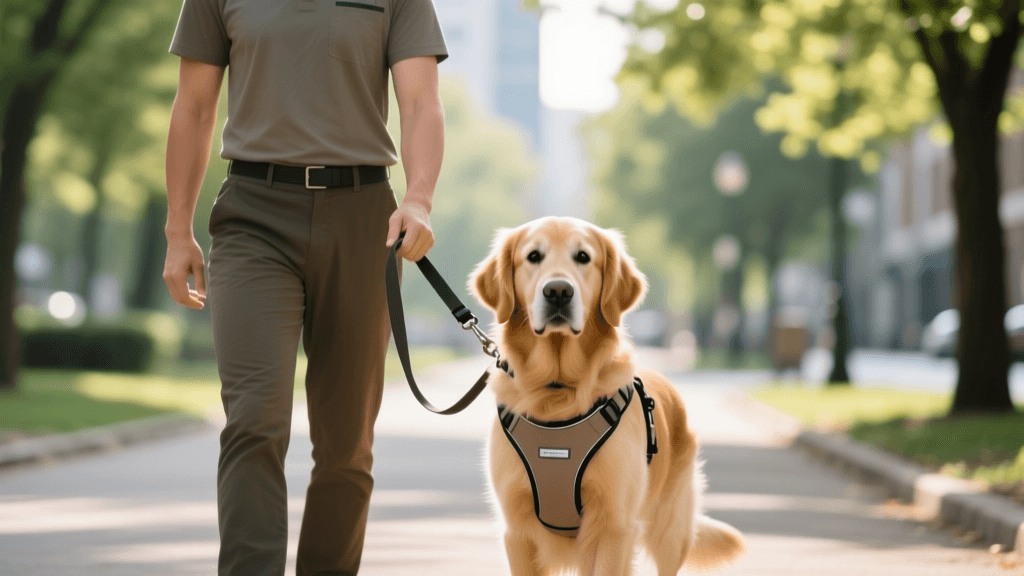
For most dogs, a front-clip harness is the best starting point. When the dog pulls, the front D-ring gently redirects their momentum back toward you, naturally disrupting their forward drive without causing pain.
3. How Long Does It Take to Train a Dog Not to Pull?
There is no overnight fix for leash pulling. The timeline depends heavily on your dog's age, breed, and how long the pulling habit has been reinforced. For a young puppy learning leash manners for the first time, you can see significant improvement within 2 to 3 weeks of consistent daily practice. For an adult rescue dog that has been pulling for years, expect to dedicate 4 to 8 weeks of consistent retraining. Short, frequent sessions of 10 to 15 minutes, twice a day, yield much faster results than one exhausting hour-long walk.
4. Should I Use a Prong or Shock Collar?
Many frustrated owners turn to aversive tools like prong, choke, or electronic shock collars out of desperation. However, modern veterinary behaviorists strongly advise against them. The Humane Society of the United States emphasizes that positive reinforcement and humane management tools are not only safer but more effective long-term. Aversive collars can suppress the outward symptom (pulling) while increasing internal anxiety, potentially leading to leash reactivity or aggression toward other dogs. Pain and fear should never be the foundation of your training strategy.
Step-by-Step Methods to Stop Leash Pulling
Now that you have the right equipment (a 6-foot standard nylon leash and a front-clip harness), it is time to train. Grab a pouch of high-value, low-calorie treats, such as Zuke's Mini Naturals (under 3 calories each, roughly $8 per bag), and head to a low-distraction environment like your backyard or a quiet driveway.
Method 1: The "Be a Tree" Technique
This is the most fundamental rule of loose-leash walking. The moment your dog hits the end of the leash and pulls, you must immediately stop walking. Stand completely still like a tree. Do not yank the leash back; simply hold your ground. Wait for your dog to look back at you, take a step back, or relax the tension on the leash. The exact second the leash forms a "J" shape (indicating slack), mark the behavior with a cheerful "Yes!" and resume walking. This teaches your dog a simple equation: Tension on the leash = the walk stops. Slack on the leash = the walk continues.
Method 2: The 180-Degree Turn
If your dog is highly distracted and "Be a Tree" isn't working, use the 180-Degree Turn. When your dog pulls ahead, say a cheerful cue word like "Let's go!", turn around, and walk in the exact opposite direction. Do not pull the dog; use the leash to gently guide them, or simply let the leash pressure encourage them to follow your movement. When your dog catches up to your side, reward them with a treat right at the seam of your pants. This builds engagement and teaches the dog that paying attention to your direction is highly rewarding.
Method 3: The Treat Magnet (For High Distraction Areas)
When approaching a known trigger (like another dog or a busy intersection), proactively manage the environment. Place a high-value treat (like a tiny piece of boiled chicken or hot dog) right at your dog's nose on the side of your leg furthest from the distraction. Walk forward, keeping the "magnet" glued to their nose. This keeps their head positioned correctly and their brain focused on the food rather than the trigger, allowing you to pass the distraction without a pulling meltdown.
Pro-Tip from the Experts: According to Preventive Vet, treat placement is everything. If you deliver treats above your dog's head, they will jump and pull upward. Always deliver treats low, at your knee level, to reinforce a grounded, calm walking position.
Troubleshooting Common Leash Training Issues
- My dog only pulls toward other dogs: This is often leash reactivity, not just pulling. Increase your distance from other dogs to a threshold where your dog can remain calm, and reward heavily for eye contact with you. Consider hiring a certified professional dog trainer (CPDT-KA), which typically costs $50 to $150 per hour, to help with reactive protocols.
- My dog bites the leash: Leash biting is usually a sign of over-arousal or frustration. Carry a secondary "decoy" toy or a tug stick. If the dog mouths the leash, immediately redirect them to the legal tug toy, rewarding them for biting the correct item.
- My dog refuses to move with the harness on: This is common with head halters and some back-clip harnesses. Spend three days doing "desensitization" inside the house. Put the gear on, feed a meal, play a game, and take it off. Build a positive emotional response before ever attaching the leash.
Conclusion: Patience and Consistency Pay Off
Stopping a dog from pulling on the leash requires patience, consistency, and the right humane equipment. By understanding the "why" behind the behavior and utilizing positive reinforcement techniques like the "Be a Tree" and 180-Degree Turn methods, you can rewrite your dog's walking habits. Remember, every time you step out the door, you are either training your dog or letting them train you. Stick to your boundaries, keep your treat pouch full, and enjoy the journey toward peaceful, enjoyable walks together.
tom-renshaw
All our authors care for dogs every day — read more of their work on the authors page.