Step-by-Step Guide to Teaching Your Dog the Place Command
Learn how to teach your dog the place command with our step-by-step guide. Includes timing, gear recommendations, and troubleshooting tips.
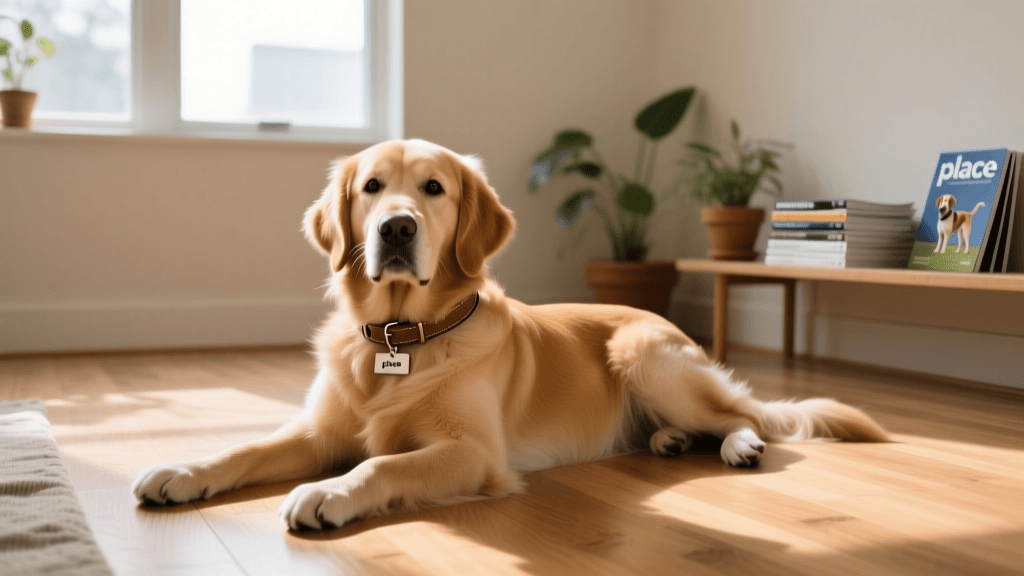
Teaching your dog the "Place" command is one of the most versatile and practical skills you can instill in your furry companion. Whether you are hosting a dinner party, waiting for a delivery driver, or simply trying to eat your own meal in peace, directing your dog to a designated spot provides them with a clear job and a safe sanctuary. Unlike the "Stay" command, which requires a dog to freeze in their current position, the "Place" command gives them a specific destination where they can relax, shift their weight, and settle down comfortably.
Why the "Place" Command is Essential
The "Place" command acts as an off-switch for hyperactive behavior and a management tool for anxiety. When a dog knows exactly where they are supposed to be and that good things happen there, their overall stress levels decrease. According to Karen Pryor Clicker Training, mat training is a foundational behavior that builds impulse control and helps dogs learn how to self-soothe in chaotic environments. By following this step-by-step guide, you will transform a simple piece of fabric or plastic into a powerful training tool.
Essential Gear for Place Training
Before you begin your training sessions, gather the right equipment. Having the proper gear will streamline the process and keep your dog engaged without overfeeding them.
- Elevated Cot or Defined Mat: An elevated bed like the Coolaroo Elevated Pet Bed (approx. $45) or a Kuranda Chewproof Cot (approx. $130) is ideal because the raised edges provide a clear physical boundary. If you prefer a flat mat, use a distinct, non-slip rug that is only brought out during training.
- High-Value, Low-Calorie Treats: Zuke's Mini Naturals (under 3 calories per piece, approx. $8 for a 16oz bag) or freeze-dried beef liver are excellent choices. You will be delivering a high volume of rewards, so keeping the caloric intake low prevents upset stomachs.
- Marker (Clicker): A PetSafe Elite Clicker (approx. $5.50) or a consistent verbal marker like the word "Yes!" to mark the exact moment the dog makes the correct choice.
- Long Training Lead: A 15-foot to 30-foot cotton training leash to safely practice distance without your dog wandering off.
Step-by-Step Guide to Teaching "Place"
Step 1: Introduce the Mat and Shape the Behavior
Start in a quiet, low-distraction room. Place the mat on the floor and stand near it with your clicker and treats. Do not give any verbal commands yet. Wait for your dog to investigate the mat. The moment they look at it, click and toss a treat onto the mat. If they step onto the mat with one paw, click and treat. If they put all four paws on the mat, click and deliver a "jackpot" of three to five treats directly to their mouth. This process, known as shaping, teaches the dog that interacting with the mat is highly rewarding. Keep these initial sessions short—no more than 3 to 5 minutes, twice a day.
Step 2: Add the Verbal Cue and the Down Position
Once your dog is confidently stepping onto the mat without hesitation, it is time to add the verbal cue. As your dog is moving toward the mat, say "Place" in a cheerful, clear voice. When all four paws land on the mat, click and treat. Next, wait for your dog to naturally sit or lie down on the mat. The ultimate goal of "Place" is a relaxed down position. The moment their elbows touch the mat, click and reward heavily. The ASPCA notes that rewarding relaxed, settled positions on a mat helps transition the behavior from an active obedience drill to a calm resting state.
Step 3: Build Duration (The First "D")
Now that your dog will go to their place and lie down, you must build duration. Ask your dog to go to their place. Once they are down, wait one second before clicking and treating. Gradually increase the time between rewards: two seconds, then five, then ten. If your dog breaks position and leaves the mat, simply reset them without a reward and try again, reducing the time requirement to ensure they succeed. Feed treats continuously for longer durations to reinforce that staying on the mat is an ongoing, rewarding activity.
Step 4: Add Distance and Distractions
Only after your dog can hold a "Place" for 30 seconds while you stand right next to them should you add distance. Take one step back. If they stay, click, step back to the mat, and treat. Slowly increase your distance by one step at a time. Once distance is solid, introduce mild distractions, such as dropping a toy nearby or having a family member walk across the room. Always set your dog up for success by increasing only one variable at a time.
Four-Week Training Progression Chart
Use the following table to track your dog's progression. Remember that every dog learns at their own pace; if your dog struggles, drop back to the previous week's criteria before moving forward.
| Week | Primary Goal | Distance | Target Duration | Distractions |
|---|---|---|---|---|
| 1 | Mat Introduction & Shaping | 0 ft (Standing on mat) | 3 to 10 seconds | None (Quiet room) |
| 2 | Adding Verbal Cue & Down | 1 to 3 feet away | 15 to 30 seconds | Mild (Quiet talking, slow movements) |
| 3 | Building Distance | 5 to 10 feet away | 1 to 3 minutes | Moderate (Walking around, TV on) |
| 4 | Proofing the Behavior | Across the room / Out of sight | 5 to 15 minutes | High (Doorbell, guests entering) |
Troubleshooting Common Issues
My dog keeps getting off the mat before I click.
This usually means you are increasing the criteria too quickly. If your dog fails twice in a row, you have made the exercise too difficult. Go back to a shorter duration or closer distance. Ensure your treat delivery is fast; the American Kennel Club (AKC) emphasizes that timing is critical, and rewards should be delivered within half a second of the marker to reinforce the exact behavior you want.
My dog falls asleep on the mat. Should I wake them up to release them?
No! Falling asleep is the ultimate sign of success. The "Place" command is meant to be a relaxing sanctuary. Let them sleep, and when they naturally wake up and stretch, you can give your release word (like "Free" or "All Done").
My dog will go to the mat but won't lie down.
If your dog stands or sits on the mat but refuses to down, they may feel vulnerable or the mat may be uncomfortable. Try using an elevated cot, which often encourages a natural lying down posture due to the taut fabric. Alternatively, practice the "Down" command separately from the mat, and then slowly combine the two behaviors once the dog is confident in both.
Final Thoughts on Consistency
The "Place" command is not a one-time trick; it is a lifelong management tool. To maintain the behavior, incorporate it into your daily routine. Ask your dog to go to their place while you prepare their dinner, while you fold laundry, or while you work at your desk. By consistently rewarding calm behavior on their mat, you will cultivate a well-mannered, relaxed dog who understands exactly how to navigate a busy household with confidence and grace.
aaron-whyte
All our authors care for dogs every day — read more of their work on the authors page.