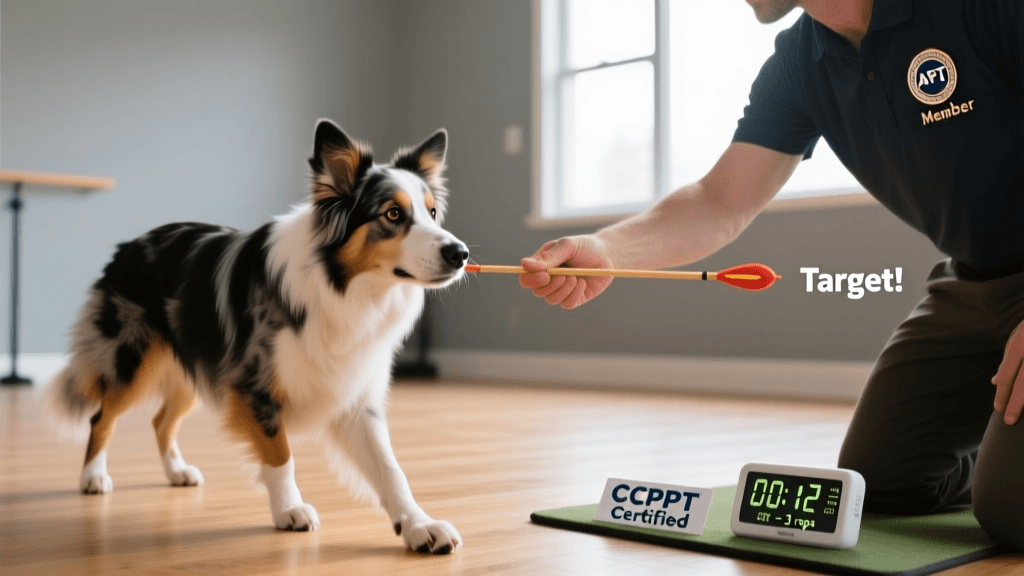
Fueling Focus: Nutrition and Treats for High-Rep Dog Training
Learn how to manage your dog's caloric intake and choose healthy, high-value treats for high-rep obedience training without causing weight gain.
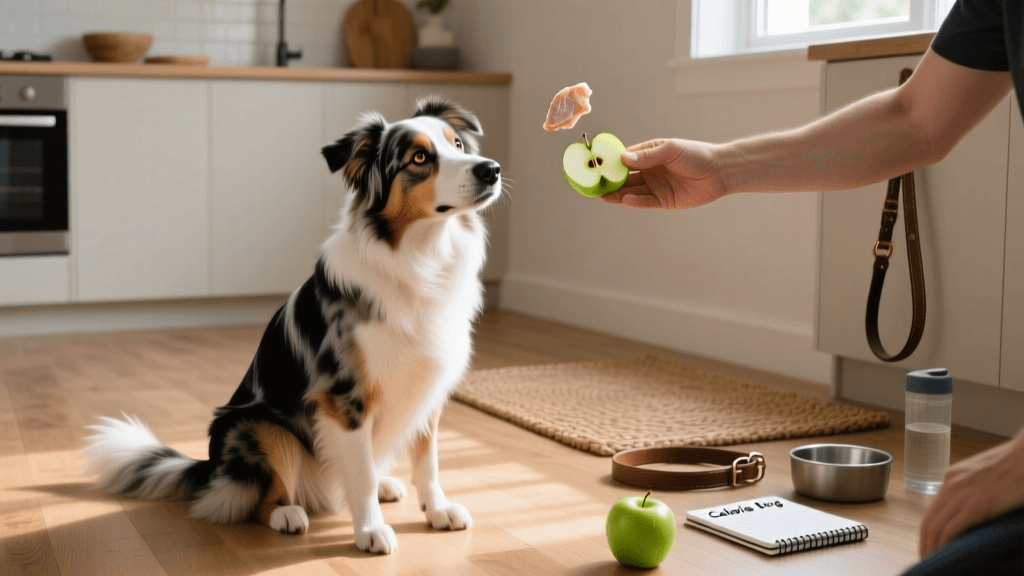
The Hidden Cost of High-Rep Training: Caloric Overload
When embarking on a rigorous obedience training or behavioral conditioning program, food is often the most effective motivator. Whether you are shaping complex tricks, teaching foundational obedience, or engaging in desensitization and counter-conditioning for leash reactivity, a high rate of reinforcement is usually required. In the early stages of behavioral modification, trainers often recommend feeding 10 to 15 treats per minute to keep the dog under the emotional threshold and build positive associations.
Consider the math behind a standard 15-minute counter-conditioning session at a busy park. If you are delivering 10 treats per minute, that equals 150 treats per session. If you are using standard commercial training biscuits, which often contain 30 to 40 calories each, you could be feeding your dog upwards of 4,500 extra calories in a single afternoon. Over a few weeks, this massive caloric surplus inevitably leads to canine obesity, exacerbating joint issues like hip dysplasia and causing lethargy that directly undermines your training progress. Managing your dog's nutrition is not just a health imperative; it is a critical component of a successful training strategy.
Calculating Your Dog's Training Calorie Budget
To avoid unintended weight gain during intensive training phases, you must calculate a strict training calorie budget. The foundational rule of canine nutrition is the 10% rule. According to the American Kennel Club's guidelines on treat limits, treats and training rewards should never constitute more than 10% of your dog's total daily caloric intake. The remaining 90% must come from a complete and balanced commercial or veterinarian-formulated diet.
By utilizing the WSAVA Global Nutrition Guidelines for Daily Energy Requirements (DER), you can determine exactly how many training treats your dog can safely consume. The table below outlines the daily caloric needs for average active dogs, their 10% treat allowance, and the maximum number of low-calorie training treats (averaging 3 calories each) they can safely receive per day.
| Dog Weight | Daily Calories (DER) | 10% Treat Limit | Max Training Treats (at 3 kcal each) |
|---|---|---|---|
| 10 lbs | 300 kcal | 30 kcal | 10 treats |
| 25 lbs | 600 kcal | 60 kcal | 20 treats |
| 50 lbs | 900 kcal | 90 kcal | 30 treats |
| 75 lbs | 1200 kcal | 120 kcal | 40 treats |
If your training session requires more repetitions than your treat allowance permits, you must deduct the caloric equivalent from your dog's regular meals. Many professional trainers recommend using a portion of the dog's measured daily kibble for low-distraction environments, saving the high-value, calorie-dense treats for high-distraction behavioral conditioning.
Selecting High-Value, Low-Calorie Training Treats
Finding the right balance between palatability and caloric density is essential. High-value treats are necessary for maintaining focus in stimulating environments, but they must be small and nutrient-dense. A proper training treat should be no larger than a pea (approximately 0.5 grams) so the dog can swallow it quickly without breaking focus to chew. Here are the top five low-calorie, high-value training treats, complete with measurements and average market costs.
- Freeze-Dried Beef Liver (e.g., Stewart Pro-Treat): Cost is approximately $18 for a 14oz tub. Calories are roughly 1 kcal per pea-sized crumb. The intense aroma makes it an exceptional high-value reward for reactive dogs. Break the cubes into micro-pieces to stretch the caloric budget.
- Zuke's Mini Naturals: Cost is around $6 for a 6oz bag. Calories are exactly 3 kcal per treat. These are soft, moist, and easy to break apart, making them ideal for rapid-fire marking and rewarding during shaping sessions.
- Boiled Chicken Breast: Cost is roughly $3 per pound. Calories are about 4 kcal per gram. Shred the chicken into tiny fibers. It is highly digestible, low in fat, and universally loved by dogs, though it requires refrigeration and prep time.
- Fresh Blueberries: Cost is about $4 per pint. Calories are less than 1 kcal per berry. Blueberries are packed with antioxidants and provide a satisfying crunch. They are excellent for low-drive dogs or for pacing rewards during 'stay' and duration exercises.
- Kong Easy Treat Paste (Peanut Butter): Cost is approximately $8 for a 6oz can. Calories are around 15 kcal per teaspoon. Use this sparingly, only for extreme high-stress environments or as a lick-mat distraction for separation anxiety conditioning.
Navigating Food Allergies and Sensitive Stomachs
Behavioral conditioning, particularly for fear-based reactivity or anxiety, places a significant cognitive and emotional load on a dog. This stress directly impacts the gut-brain axis. A stressed gut absorbs nutrients poorly and is highly susceptible to inflammation, which can trigger or exacerbate underlying food sensitivities, ultimately ruining a training session with gastrointestinal distress.
According to research from the Tufts University Cummings School of Veterinary Medicine, true IgE-mediated food allergies in dogs are relatively rare, but food intolerances and environmental sensitivities are common. The most frequent culprits are beef, dairy, and chicken. If your dog suffers from chronic ear infections, itchy paws, or loose stools during intensive training weeks, you may be overloading their system with common allergens via high-rep treat delivery.
Novel Proteins for Sensitive Stomachs
To maintain a healthy gut microbiome during rigorous behavioral conditioning, transition to novel protein treats. Novel proteins are ingredients your dog has never been exposed to, drastically reducing the risk of an immune response. Rabbit, venison, kangaroo, and alligator are excellent choices. Brands like Vital Essentials offer single-ingredient freeze-dried novel protein treats that are easy to digest and highly motivating. Always introduce a new training treat at home for three days before using it in a high-stress public environment to ensure it does not cause acute gastroenteritis.
Expert Tip: Never introduce a brand-new, high-value treat on the day of a major training milestone or competition. The combination of novelty, high fat content, and environmental stress is a recipe for acute diarrhea. Stick to known, safe proteins for high-stakes events.
Timing Nutrition for Optimal Cognitive Function
The timing of your dog's meals in relation to their training sessions profoundly impacts their cognitive function, food drive, and physical safety. Training a dog immediately after they have consumed a full meal is generally counterproductive. A full stomach induces lethargy, reducing the dog's food drive and making them less responsive to reinforcement. More importantly, engaging in vigorous physical activity or experiencing high stress on a full stomach significantly increases the risk of Gastric Dilatation-Volvulus (GDV), commonly known as bloat, particularly in deep-chested breeds like German Shepherds, Great Danes, and Standard Poodles.
To maximize focus and safety, schedule your most intensive behavioral conditioning sessions right before your dog's regular mealtime. A slightly hungry dog is a more attentive learner. If you are utilizing the 10% treat allowance, you can simply reduce the size of the subsequent meal by the exact caloric amount of the treats consumed during the session. For morning training sessions, consider fasting your dog overnight and using their entire breakfast allocation of kibble and high-value treats as the primary reinforcement during the session. This not only keeps their caloric intake perfectly balanced but also leverages their natural biological drive to work for their food.
Ultimately, successful dog training is not just about timing your clicks and markers; it is about managing your dog's overall biological state. By meticulously calculating caloric budgets, selecting appropriate low-calorie and novel-protein treats, and timing meals to optimize cognitive focus, you ensure that your dog remains physically healthy, mentally sharp, and highly motivated throughout their entire training journey.
aaron-whyte
All our authors care for dogs every day — read more of their work on the authors page.