Senior Dog Training: Gentle Obedience and Cognitive Enrichment
Discover how to adapt obedience training and cognitive enrichment for senior dogs. Learn gentle techniques, joint-safe exercises, and aging care tips.
Introduction to Senior Life Stage Training
Welcome to the Paws-Tales Life Stage Care Guides, where we explore the evolving needs of our canine companions as they age. When most people think of dog training, they immediately picture clumsy puppies learning to sit or adolescent dogs mastering leash manners. However, training is not a life stage limited to youth. As dogs enter their senior years—typically around age seven for large breeds and age ten for smaller breeds—their physical capabilities and cognitive needs shift dramatically. Senior dog training is a vital component of holistic aging care, focusing on gentle obedience, sensory adaptation, and cognitive enrichment.
Many owners mistakenly believe that older dogs cannot learn new tricks or that they should simply be left to rest. In reality, a lack of mental stimulation and gentle physical activity can accelerate cognitive decline and joint stiffness. According to the ASPCA Senior Dog Care guidelines, maintaining a routine that includes mental engagement and adapted physical exercise is crucial for preserving a senior dog's quality of life. This guide will provide you with actionable, joint-safe training techniques, specific product recommendations, and cognitive games tailored for the aging canine brain.
Adapting Obedience for Aging Joints and Senses
As dogs age, conditions like osteoarthritis and hip dysplasia become increasingly common. In fact, it is estimated that over 80 percent of dogs over the age of eight suffer from some degree of joint pain. Traditional obedience commands that require repetitive physical movements, such as 'sit', 'down', and 'stand', can cause unnecessary strain on aging cartilage. Furthermore, sensory degradation, including cataracts and age-related hearing loss, requires trainers to adapt their communication methods.
Joint-Safe Commands and Station Training
Instead of repetitive calisthenics, shift your obedience focus to 'station' or 'mat' training. Teaching your senior dog to go to a specific, comfortable bed and settle provides them with a clear job and impulse control without taxing their joints. Invest in an orthopedic bed, such as the Kuranda Elevated Dog Bed (approximately $130), which offers joint relief and prevents the dog from having to struggle to stand up from the floor. Alternatively, place an 8x8 foot area of interlocking non-slip foam mats (around $40) in your training area to prevent slipping and splaying when your dog repositions themselves.
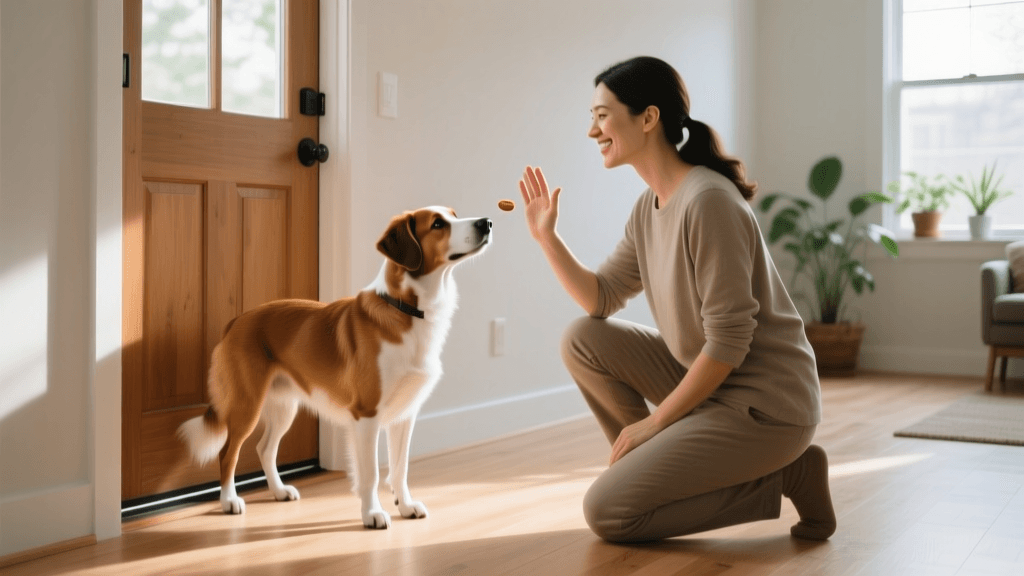
Another excellent joint-safe command is 'touch' or hand-targeting. By teaching your dog to gently press their nose to the palm of your hand, you can guide them through doorways, into cars, or away from hazards without ever needing to pull on a leash or ask for a physically demanding 'sit-stay'. Reward with soft, low-calorie treats like Zuke's Mini Naturals (about $8 per 6-ounce bag) to prevent weight gain, which is a primary enemy of senior joint health.
Accommodating Vision and Hearing Loss
If your senior dog is losing their hearing, verbal markers like 'good boy' or clickers may no longer be effective. Transition to a visual marker, such as a quick thumbs-up or a small LED flasher, paired immediately with a high-value food reward. Conversely, if your dog is developing cataracts or night blindness, rely heavily on scent and verbal cues. Keep your furniture layout consistent to build their spatial memory, and use distinct verbal cues for different activities, such as 'step up' before navigating a curb or stair.
Cognitive Enrichment: Brain Games for Senior Dogs
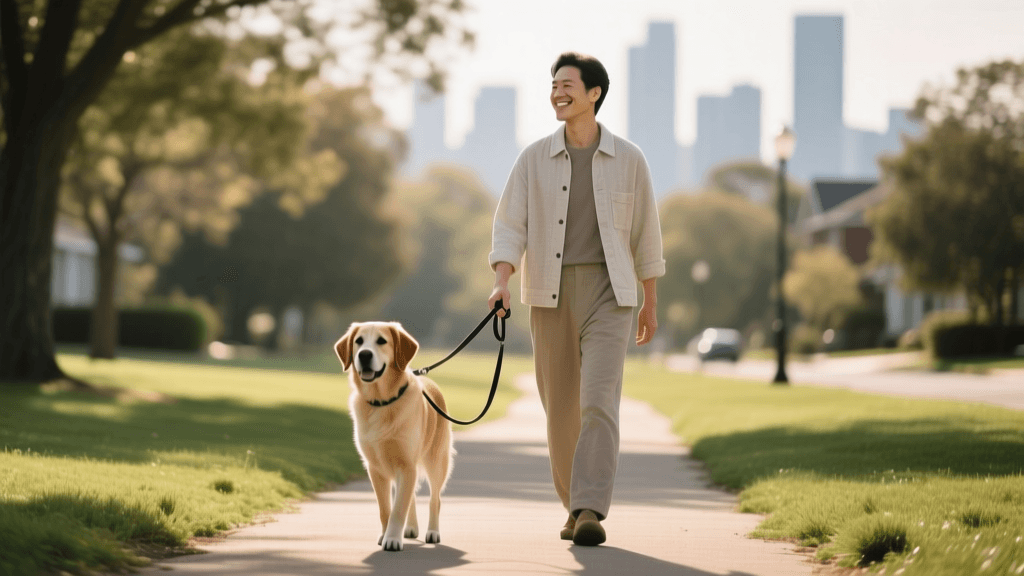
Physical limitations do not mean your dog's brain needs to retire. Cognitive enrichment is the practice of providing mental challenges that stimulate the brain, encouraging neuroplasticity and delaying the onset of age-related dementia. A 10-minute cognitive enrichment session can be as tiring and satisfying for a senior dog as a 45-minute walk is for a younger dog.
Scent Work and Foraging
A dog's sense of smell remains remarkably resilient even as their vision and hearing fade. Scent work is the ultimate low-impact, high-reward activity for senior dogs. Begin by hiding strong-smelling treats or a dedicated scent article (like a cotton swab rubbed with a drop of birch essential oil) in easy-to-reach locations around a single room. Encourage your dog to 'find it'. As they improve, move the hides to slightly more complex locations, such as under a lightweight towel or behind a chair leg. This taps into their natural foraging instincts and provides immense mental fatigue without requiring physical exertion.
Interactive Puzzle Toys
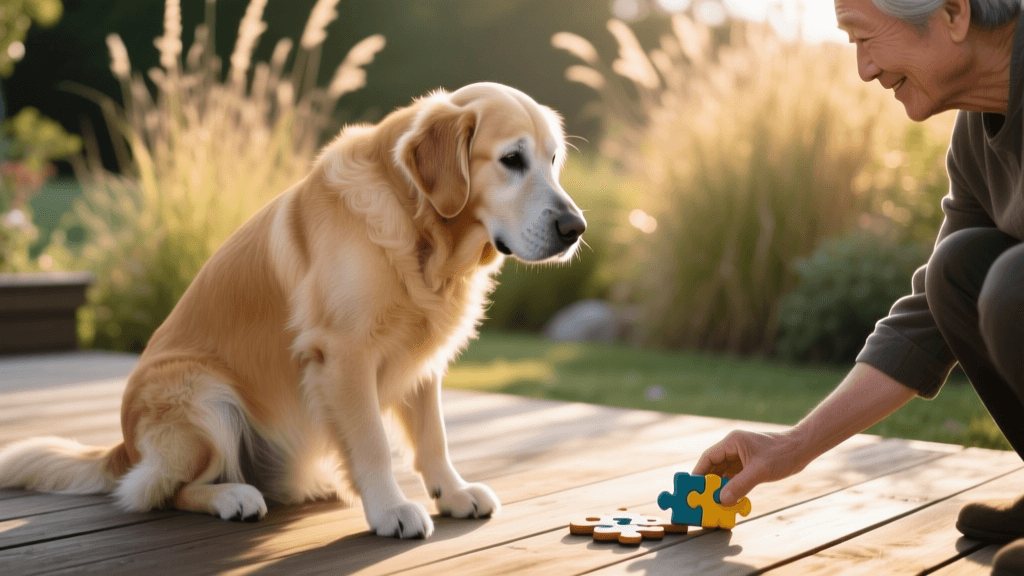
Puzzle toys are fantastic for keeping the aging brain sharp. The Outward Hound Nina Ottosson Dog Brick (priced around $15 to $25) is an excellent entry-level puzzle. It requires the dog to slide compartments and lift flaps to reveal hidden treats. For dogs with severe arthritis in their paws, avoid puzzles that require aggressive scratching or prying. Instead, use a Snuffle Mat (approximately $25), which mimics foraging in tall grass. Simply scatter a quarter-cup of kibble or small treats into the fabric strips and let your dog use their nose to locate their meal. This slows down eating, aids digestion, and provides 15 to 20 minutes of focused mental work.
Puppy vs. Senior Training Comparison Chart
Understanding the fundamental differences between training a puppy and training a senior dog is essential for setting realistic expectations and ensuring your dog's safety. Below is a structured comparison to help you adapt your training strategy based on your dog's current life stage.
| Training Aspect | Puppy Stage (8 Weeks - 1 Year) | Senior Stage (7+ Years) |
|---|---|---|
| Primary Goal | Socialization, basic manners, impulse control | Cognitive maintenance, joint safety, comfort |
| Session Length | 5 to 15 minutes, multiple times daily | 3 to 5 minutes, low frequency, high reward |
| Physical Commands | Sit, down, roll over, fetch, recall | Station (mat), touch (target), gentle recall |
| Primary Senses Used | Sight and Hearing (high energy) | Smell and Touch (low impact) |
| Reward Types | Kibble, play, toys, verbal praise | Soft treats, gentle massage, scent games |
| Equipment Needs | Standard leash, crate, chew toys | Orthopedic beds, non-slip mats, snuffle mats |
Managing Canine Cognitive Dysfunction (CCD)
Canine Cognitive Dysfunction (CCD) is a condition similar to Alzheimer's disease in humans. The American Kennel Club notes that CCD affects a significant portion of the senior dog population, with symptoms including disorientation, altered sleep-wake cycles, house soiling, and a withdrawal from social interactions. While training cannot cure CCD, structured cognitive enrichment and routine-based obedience can significantly slow the progression of symptoms and reduce anxiety.
Dogs with CCD thrive on predictable routines. Feed, walk, and train at the exact same times every day. If your dog begins to pace or seem confused at night, incorporate a calming 'settle' routine on their orthopedic mat before bedtime, utilizing dog-safe pheromone diffusers like Adaptil (around $25 for a refill) to create a soothing environment. Always consult your veterinarian if you notice sudden behavioral changes, as these can also be indicators of underlying pain or systemic illness.
Safety First: Veterinary Clearance and Supplements
Before initiating any new training or enrichment routine with a senior dog, a comprehensive veterinary assessment is mandatory. The ASPCA recommends that senior dogs receive veterinary checkups at least twice a year. During these visits, request a full blood panel and a joint mobility assessment. Your veterinarian may recommend starting a joint supplement regimen to support cartilage health and reduce inflammation.
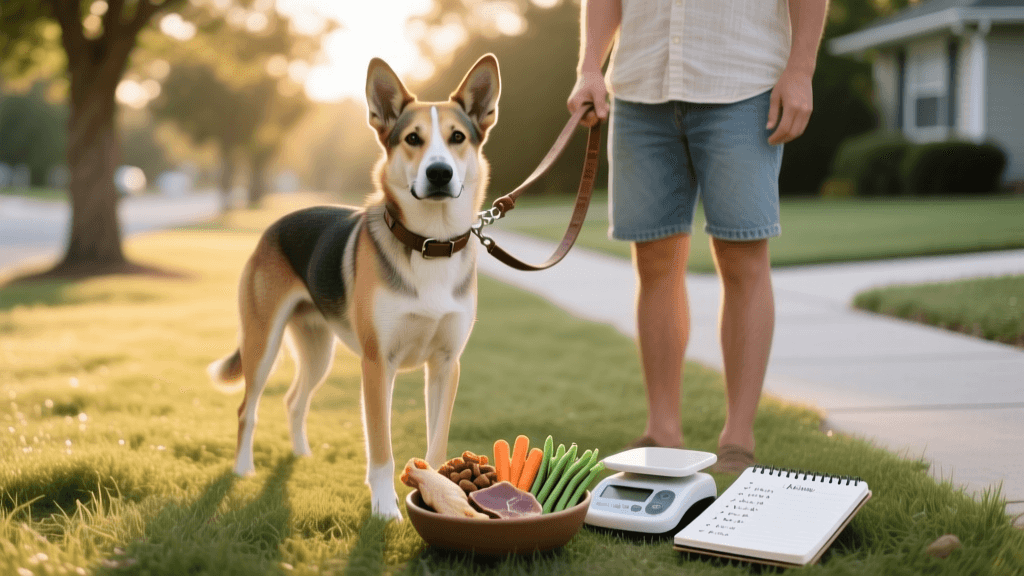
High-quality joint supplements containing glucosamine, chondroitin, and MSM, such as Dasuquin Advanced (approximately $70 for an 84-count bottle), are highly recommended for active senior dogs. Additionally, Omega-3 fatty acid supplements derived from wild-caught fish oil (around $20 to $30) can support brain health and reduce systemic inflammation. Always factor these ongoing costs—roughly $40 to $100 per month—into your senior dog care budget to ensure they remain comfortable during their training sessions.
Conclusion
Training a senior dog is a beautiful way to honor the bond you have built over their lifetime. By shifting your focus from physical endurance to cognitive enrichment and joint-safe obedience, you provide your aging companion with a sense of purpose, mental clarity, and physical comfort. Remember to keep sessions short, utilize their powerful sense of smell, and prioritize their physical well-being above all else. With patience, the right adaptive tools, and a compassionate approach, your senior dog can continue to learn, engage, and thrive in their golden years.
jonas-cole
All our authors care for dogs every day — read more of their work on the authors page.