Step-by-Step Training Guide To Stress-Free Dog Car Travel
Learn how to train your dog for calm car rides with our step-by-step guide. Discover top safety gear, timing tips, and anxiety solutions.
Why Dogs Struggle With Car Travel
Sharing your life with a dog inevitably means sharing your car. Whether you are heading to the veterinarian, embarking on a cross-country road trip, or simply commuting to the local dog park, car travel is a fundamental part of modern pet ownership. However, for many dogs, the car is a source of immense stress. Panting, drooling, whining, and even vomiting are common symptoms of canine car anxiety and motion sickness. According to the American Kennel Club (AKC), motion sickness in dogs is often tied to the unfamiliar movement and sensory overload of a vehicle, especially in puppies whose inner ear structures are not fully developed.
Fortunately, car anxiety is not a permanent life sentence. Through systematic desensitization, counter-conditioning, and the use of proper safety equipment, you can transform your dog's car experience from a terrifying ordeal into a relaxing journey. This comprehensive, step-by-step training guide will walk you through the exact protocols, timing, and gear needed to achieve stress-free dog car travel.
Essential Safety Gear: Choosing the Right Restraint
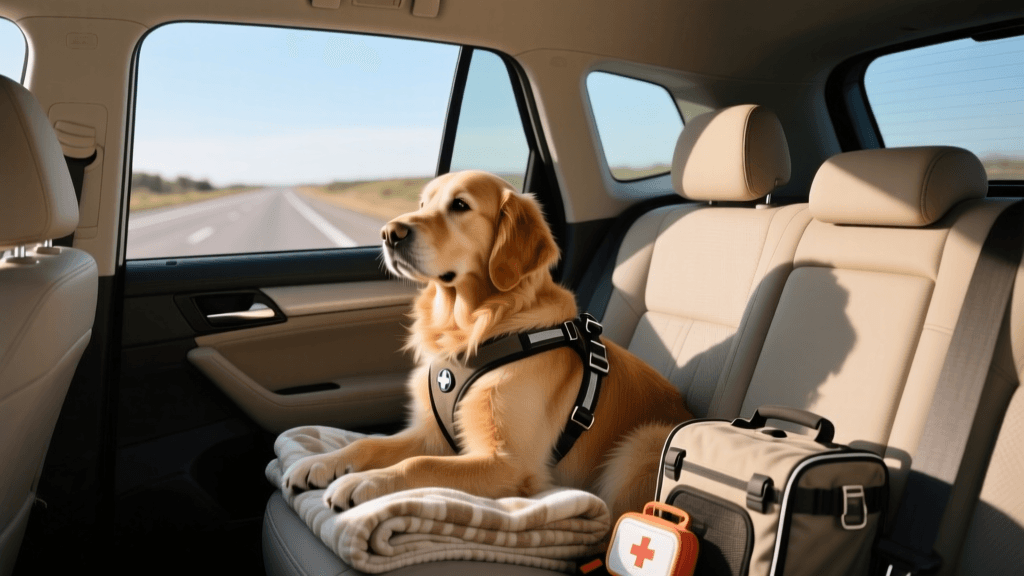
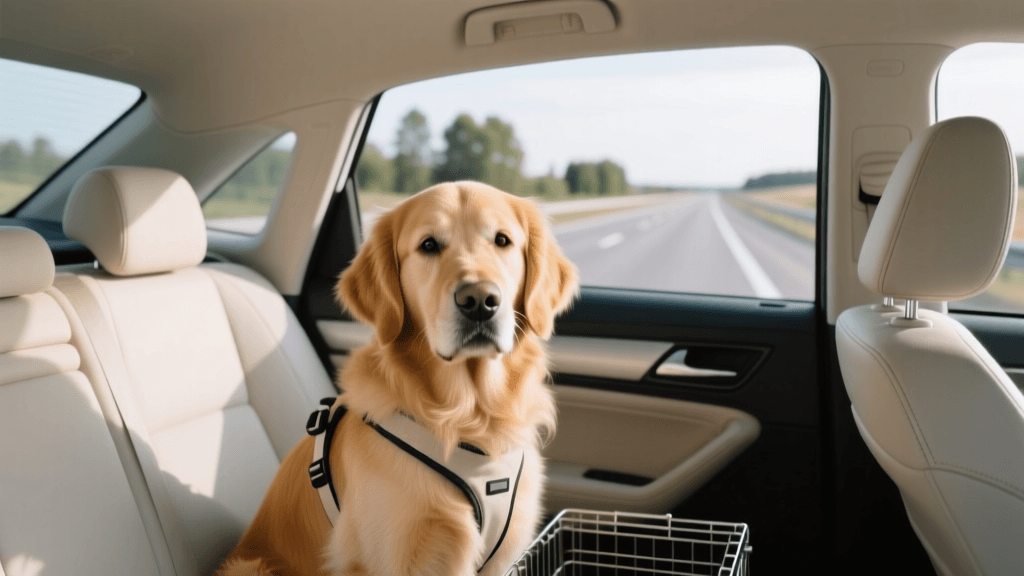
Before beginning any behavioral training, you must establish a safe physical environment. An unrestrained dog is a projectile in the event of a sudden stop or collision. The ASPCA strongly recommends using a proper restraint system to protect both your pet and human passengers. Below is a comparison of the most common canine car restraints to help you choose the right setup for your dog's size and temperament.
| Restraint Type | Average Cost | Safety Rating | Best For |
|---|---|---|---|
| Crash-Tested Harness (e.g., Kurgo Tru-Fit, Ruffwear Load Up) | $70 - $120 | High (Look for CPS Certification) | Medium to Large Dogs, calm travelers |
| Hard-Sided Crash-Tested Crate (e.g., Gunner G1, Ruff Land) | $400 - $700 | Very High (Center for Pet Safety Approved) | Anxious dogs, chewers, multi-dog households |
| Seat Belt Tether / Zipline | $15 - $30 | Low (Fails crash tests, prevents roaming only) | Small, calm dogs in low-speed city driving |
| Soft-Sided Carrier (Secured with seatbelt) | $40 - $80 | Medium | Small dogs and cats under 20 lbs |
Pro Tip: Always look for products tested and certified by the Center for Pet Safety (CPS). Many commercial harnesses claim to be 'crash-tested' but fail independent safety standards. Investing in a CPS-certified harness or crate is an investment in your dog's life.
The 5-Step Desensitization Training Protocol
Rushing the process is the most common mistake owners make. If your dog already fears the car, simply tossing a treat inside and driving away will only reinforce the trauma. You must break the process down into micro-steps, ensuring your dog remains under their stress threshold at all times.
Step 1: The Stationary Car (Days 1-3)
Begin with the car parked in your driveway, engine completely off. Open all doors to remove the feeling of being trapped. Keep training sessions incredibly short—no longer than 3 to 5 minutes.
- The Action: Sit in the backseat with your dog. Feed high-value, low-calorie treats like Zuke's Mini Naturals (only 3 calories each) simply for entering the vehicle and sitting calmly.
- The Goal: Create a positive emotional response to the smell and feel of the car interior.
- Exit Strategy: End the session while the dog is still happy and relaxed. Never wait until they show signs of stress (lip licking, yawning, panting) to end the session.
Step 2: Engine Idling and Sensory Conditioning (Days 4-6)
Once your dog happily jumps into the stationary car, introduce the vibration and sound of the engine.
- The Action: Secure your dog in their chosen harness or crate. Start the engine, but do not put the car in gear. Let it idle for 5 minutes.
- Sensory Aids: Play classical music designed for canine relaxation, such as the 'Through a Dog's Ear' audio series. You can also spray Adaptil Transport Spray (approx. $25) on their bedding 15 minutes prior to mimic calming canine pheromones.
- The Goal: Desensitize the dog to the low-frequency rumble of the engine without the disorienting feeling of movement.
Step 3: The Driveway and Short Loops (Days 7-10)
Now, introduce movement in a highly controlled, low-speed environment.
- The Action: Drive slowly up and down your driveway or around your immediate cul-de-sac. Keep the trips under 2 minutes.
- Driving Style: Accelerate and brake as gently as possible. Imagine there is a brim-full cup of coffee on your dashboard that you cannot spill.
- The Goal: Acclimate the dog's vestibular system (inner ear) to minor shifts in momentum.
Step 4: Building Positive Destination Associations (Days 11-14)
Dogs are masters of pattern recognition. If the car only ever goes to the veterinarian or the groomer, they will dread the car. You must rewrite this association.
- The Action: Take short, 5-minute drives to highly rewarding locations. Drive to a favorite hiking trail, a park where they can play fetch, or even a local pet-friendly hardware store where they receive attention and treats from staff.
- The Goal: Teach the dog that the car is a portal to fun, not just a vessel for medical procedures.
Step 5: Gradual Distance Extension (Weeks 3-4)
Slowly increase the duration of your drives by 5 to 10 minutes every few days. Monitor your dog closely in the rearview mirror (or use a backseat pet camera). If they begin to pant heavily or drool, you have pushed too far, too fast. Return to shorter drives and build back up.
Trainer's Note: Patience is your greatest tool. For a severely traumatized rescue dog, Step 1 alone might take two weeks. Let the dog's body language dictate the pace of the training, not the calendar.
Managing Motion Sickness: Diet, Supplements, and Medication
Even with perfect behavioral training, some dogs suffer from severe physiological motion sickness. If your dog vomits or drools excessively despite being calm, you are likely dealing with a vestibular issue rather than pure anxiety.
- Fasting Windows: Withhold food for 2 to 3 hours before a car trip. A full stomach exacerbates nausea, while an empty stomach reduces the likelihood of vomiting.
- Natural Supplements: Ginger is a proven anti-nausea remedy. You can offer a small piece of ginger snap or a canine-specific ginger supplement 30 minutes before travel.
- Veterinary Medication: For chronic motion sickness, consult your veterinarian about Cerenia (Maropitant citrate). Unlike older sedatives like Acepromazine, which merely knock the dog out without stopping the nausea, Cerenia specifically targets the vomiting center in the brain. It is highly effective, non-drowsy, and lasts for up to 24 hours, making it the gold standard for canine road trips.
Troubleshooting Common Training Roadblocks
Problem: My dog refuses to get into the car at all.
Solution: Do not force, push, or drag your dog into the vehicle. This will trigger a fight-or-flight response. Instead, use a target stick or a trail of high-value treats (like boiled chicken or freeze-dried liver) leading up to the seat. If they are too small to jump, use a sturdy pet ramp or stairs to give them agency and control over their entry.
Problem: My dog barks frantically at passing cars and pedestrians.
Solution: This is a sign of barrier frustration and visual overstimulation. Limit their field of vision. If they are in a crate, cover the sides with a breathable cotton sheet, leaving only the front open. If they are in a harness, consider using a 'dog car seat' with high, padded walls that block peripheral movement while keeping them securely tethered.
Conclusion
Training your dog for calm car travel requires a strategic blend of proper safety equipment, systematic desensitization, and physiological management. By investing the time to follow this step-by-step protocol, you are not just making your daily life easier; you are enriching your dog's life, opening up a world of shared adventures, road trips, and safe travels for years to come. Remember to celebrate the small victories, prioritize safety gear, and always keep the journey positive.
hannah-wickes
All our authors care for dogs every day — read more of their work on the authors page.