Step-by-Step Guide to Training Your Dog for Car Rides
Learn how to train your dog for calm car rides with this step-by-step guide. Discover gear, timelines, and tips to stop canine motion sickness and anxiety.
Why Dogs Fear the Car (and How to Fix It)
For many dog owners, loading the car for a trip to the park or the veterinarian is a daily struggle characterized by whining, panting, and outright refusal to enter the vehicle. According to the American Kennel Club (AKC), car anxiety often stems from a lack of early socialization, negative associations with the vet, or undiagnosed motion sickness. Fortunately, you can reshape your dog's emotional response to the car using a systematic, step-by-step desensitization and counter-conditioning protocol. This guide will walk you through the exact timelines, gear, and training techniques required to transform your dog from a nervous wreck into a relaxed co-pilot.
Essential Gear for Safe and Calm Car Travel
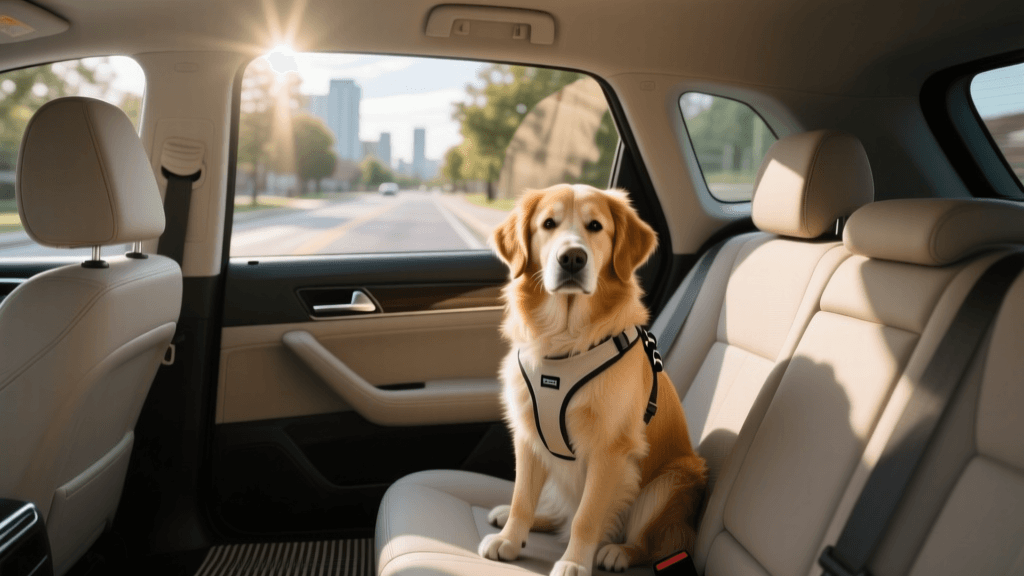
Before beginning your step-by-step training, you must invest in proper safety gear. The ASPCA strongly recommends securing your dog in a vehicle to prevent distracted driving and protect the dog in the event of a sudden stop or collision. Below is a comparison of the most effective car restraint systems.
| Restraint Type | Recommended Product | Avg Cost | Safety Rating (CPS) | Best For |
|---|---|---|---|---|
| Crash-Tested Harness | Sleepypod Clickit Sport | $70 - $95 | 5-Star (CPS Certified) | Dogs 18-90 lbs who prefer to sit on the seat |
| Hard-Sided Crate | Variocage Single | $150 - $300 | Highest (SPCT Tested) | Large breeds, multi-dog households, and long road trips |
| Booster Seat | Kurgo Skybox Booster | $40 - $60 | Moderate (Tether dependent) | Small breeds under 20 lbs prone to window anxiety |
| Standard Seatbelt Tether | Generic Nylon Clip | $10 - $15 | Low (Fails crash tests) | Not recommended for safety; only prevents roaming |
Note: Always pair a harness or booster seat with a high-quality, chew-proof tether that attaches to the vehicle's LATCH system or seatbelt receiver, never to the dog's collar.
Step-by-Step Car Training Protocol
This protocol requires patience. Do not rush to the next step until your dog is completely relaxed at the current stage. You will need high-value treats, such as boiled chicken breast or Zuke's Mini Naturals (3 calories each), to maintain motivation without overfeeding.
Step 1: Desensitization (The Parked Car)
Timeline: 3 to 7 days.
Goal: Create a positive association with the stationary vehicle.
- The Approach: Walk your dog toward the car on a loose leash. Stop 10 feet away. The moment your dog looks at the car calmly, mark the behavior with a 'Yes!' and toss a treat away from the car. Repeat this 5 times.
- The Door: Open the car door. Toss 3 high-value treats onto the floorboard or back seat. Allow your dog to enter voluntarily to eat them. Do not close the door. Let them exit immediately.
- The Settlement: Once your dog is happily jumping in for treats, ask them to 'Sit' or 'Down' on their designated mat or restraint. Feed them continuously for 15 seconds, then release them before they show signs of stress.
Step 2: Building Positive Associations (Engine On)
Timeline: 3 to 5 days.
Goal: Desensitize the dog to the sound and vibration of the engine.
- Secure your dog in their chosen restraint (harness or crate) while the car is off.
- Provide a long-lasting enrichment item, such as a Kong Classic stuffed with frozen peanut butter and banana.
- Turn the engine on. Do not put the car in gear. Let the dog lick and chew for exactly 2 minutes.
- Turn the engine off, take the Kong away, and immediately release the dog from the car. This teaches the dog that the engine running predicts good things, and the engine stopping means the fun ends.
Step 3: Short Drives (The Driveway and Beyond)
Timeline: 1 to 2 weeks.
Goal: Introduce movement without triggering motion sickness.
- Start by simply backing out of the driveway and pulling back in. Keep the drive under 30 seconds.
- Gradually increase the distance to the end of your street and back (approx. 2 minutes). Drive smoothly; avoid hard braking and sharp turns, which disrupt the inner ear and trigger nausea.
- Always end the short drive with a high-value reward, such as a 5-minute game of tug in the yard or a quick walk to a favorite sniffing spot. Never drive directly to the vet or groomer during this training phase.
Step 4: Increasing Duration and Managing Distractions
Timeline: Ongoing.
Goal: Build stamina for longer trips.
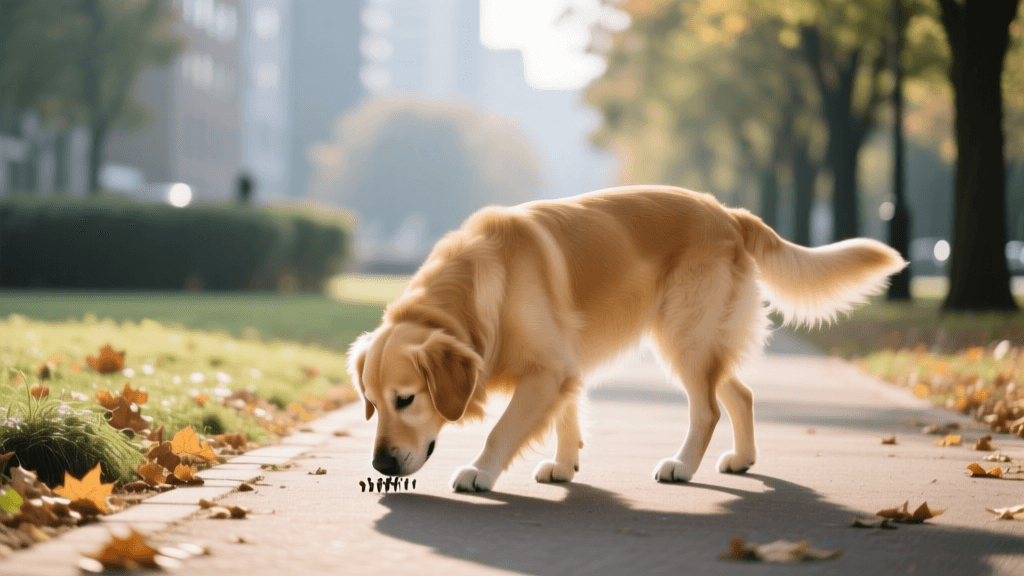
Once your dog can handle a 10-minute drive calmly, begin extending the duration by 5 minutes per trip. If your dog begins to pant, drool, or whine, you have pushed too far, too fast. Calmly pull over, allow the dog to sniff the ground for 2 minutes to reset their nervous system, and head home. Keep the cabin temperature cool (around 68°F) and use window shades to prevent visual overstimulation from passing cars.
Managing Motion Sickness and Anxiety
If your dog exhibits heavy drooling, lip smacking, or vomiting, they are likely suffering from motion sickness. VCA Animal Hospitals notes that the inner ear structures responsible for balance are not fully developed in puppies, making them highly susceptible to nausea. While many puppies outgrow this, adult dogs may require intervention.
- Pheromone Therapy: Spray Adaptil Transport Spray (approx. $18) on your dog's car mat or inside their crate 15 minutes before loading. The synthetic dog-appeasing pheromone mimics a nursing mother's calming signals.
- Natural Remedies: Ginger capsules (dosage based on weight, consult your vet) or peppermint aromatherapy can soothe mild gastrointestinal upset.
- Prescription Medication: For severe cases, consult your veterinarian about Cerenia (maropitant citrate), an FDA-approved anti-nausea medication for dogs, or trazodone for situational anxiety.
Troubleshooting Common Setbacks
Problem: My dog whines the entire ride.
Solution: Whining is often a sign of anticipation or barrier frustration. Ensure your dog receives adequate physical and mental exercise before the car ride. Covering the crate with a breathable sheet can reduce visual triggers that cause excitement-based whining.
Problem: My dog refuses to get out of the car at our destination.
Solution: Your dog has learned that the car is a safe haven, or they are fearful of the destination. Practice 'loading and unloading' drills in your driveway where the reward for exiting the car is a massive jackpot of treats and play.
Problem: My dog gets carsick even on short trips.
Solution: Withhold food for 3 to 4 hours before a car ride to ensure an empty stomach. Position your dog facing forward (never sideways) and use a booster seat or elevated crate so they can see out the front windshield, which helps their brain reconcile the visual movement with their inner ear balance.
By following this structured, step-by-step guide, you will replace your dog's fear with confidence. Remember that consistency is key; keep your training sessions short, positive, and heavily rewarded, and soon your dog will view the car as the gateway to their favorite adventures.
anouk-beaumont
All our authors care for dogs every day — read more of their work on the authors page.