Canine Decompression Walks: Behavioral Science and Daily Routine
Discover the behavioral science behind canine decompression walks. Learn how sniffing reduces stress and transforms your dog's daily routine.
The Behavioral Science Behind the Decompression Walk
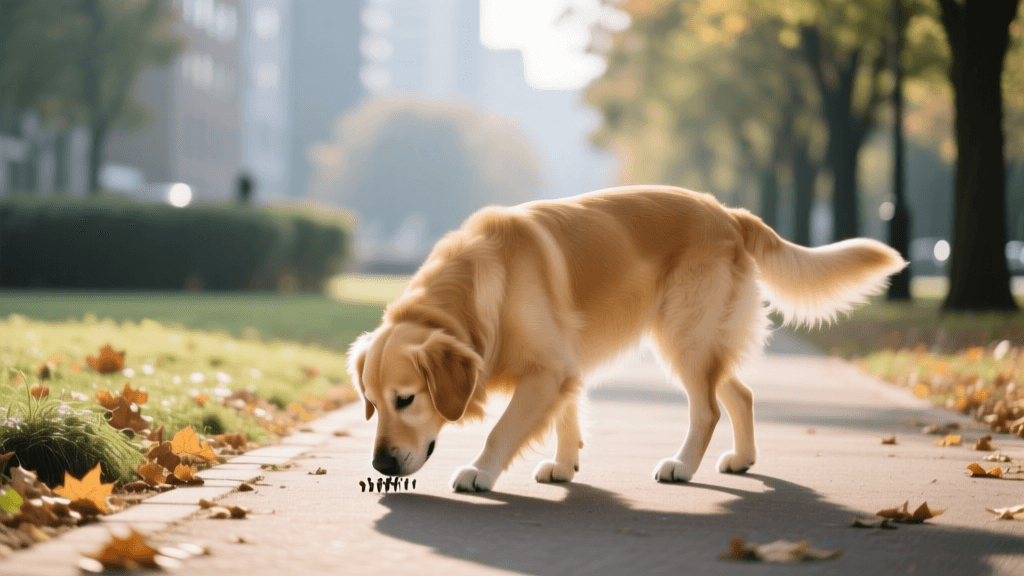
For decades, the prevailing wisdom in dog ownership has been that a physically exhausted dog is a well-behaved dog. This mindset has led to countless miles of repetitive, structured, human-paced walking. However, from an applied animal behavior perspective, physical exhaustion does not equate to mental fulfillment, emotional regulation, or stress recovery. Enter the 'decompression walk'—often affectionately termed a 'sniffari'—a daily routine rooted deeply in canine ethology and sensory enrichment.
A decompression walk is an unstructured, dog-led excursion where the primary goal is olfactory exploration rather than physical exercise or obedience training. According to the ASPCA, sensory enrichment is a critical component of a dog's daily routine, directly impacting their psychological well-being and reducing the likelihood of stereotypic or destructive behaviors born from under-stimulation.
The Neurobiology of Sniffing: More Than Just a Habit
To understand why decompression walks are so vital, we must examine the canine brain. While humans possess roughly 5 to 6 million olfactory receptors, dogs have up to 300 million, depending on the breed. Furthermore, the olfactory bulb in a dog's brain takes up proportionally 40 times more space than in a human brain. The Barnard College Dog Cognition Lab has extensively documented how a dog's primary interface with the world is olfactory, not visual.
When a dog engages in deep, methodical sniffing, they are processing complex environmental data: the presence of other animals, dietary information, and even emotional states via pheromones. This intense cognitive processing engages the limbic system, which is responsible for emotion and memory. Behavioral studies indicate that the act of sniffing actually lowers a dog's heart rate and activates the parasympathetic nervous system, promoting a state of calm and relaxation that a brisk, heel-paced walk simply cannot achieve.
Structured Walks vs. Decompression Walks: A Behavioral Comparison
Many owners confuse a neighborhood leash walk with a decompression walk. From a behavioral analysis standpoint, these two activities serve entirely different neurological and physiological purposes. Below is a comparative breakdown to help you structure your dog's daily routine effectively.
| Feature | Structured Heel Walk | Decompression Walk (Sniffari) |
|---|---|---|
| Primary Pace | Human-dictated (2-3 mph) | Dog-dictated (0.5-1.5 mph, frequent stops) |
| Primary Sense Engaged | Visual / Proprioceptive | Olfactory (Vomeronasal organ) |
| Leash Tension | Frequent corrections, tight leash | Loose, dragging, or slack long line |
| Neurological Effect | Motor cortex engagement, arousal | Limbic system soothing, parasympathetic activation |
| Behavioral Outcome | Obedience, public safety, physical exercise | Stress recovery, mental fatigue, emotional regulation |
The Cortisol Hangover and the 72-Hour Rule
In behavior consulting, we frequently discuss the 'cortisol hangover.' When a dog experiences a stressor—such as a reactive encounter with another dog, a loud construction noise, or a visit to the vet—their body releases cortisol and adrenaline. It can take anywhere from 24 to 72 hours for a dog's endocrine system to flush these stress hormones and return to baseline.
If you subject a dog to high-arousal activities or strict obedience training during this recovery window, you risk triggering 'trigger stacking,' where cumulative stress leads to an explosive behavioral reaction. Decompression walks are the antidote to the cortisol hangover. By allowing the dog to engage in self-soothing olfactory behaviors in a low-stress environment, you actively facilitate the metabolic clearance of stress hormones.
Essential Gear for Behavioral Success
Executing a proper decompression walk requires specific equipment designed to maximize freedom of movement and eliminate the 'opposition reflex' (thigmotaxis), a canine instinct to push against physical pressure.
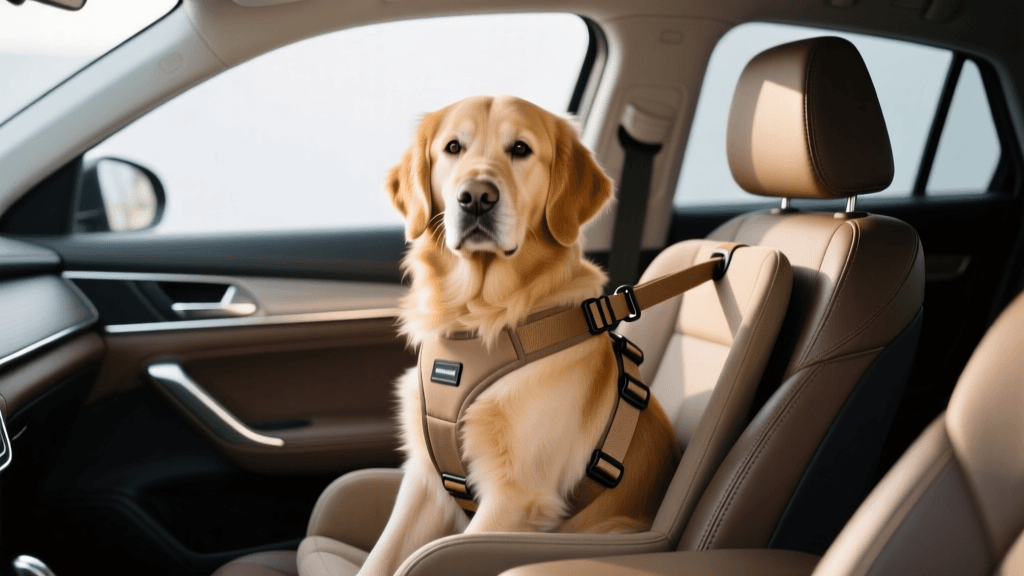
- The Harness: Avoid restrictive no-pull harnesses with front-clip chest straps, as these alter natural shoulder biomechanics and discourage the very freedom of movement you want to promote. Opt for a Y-front harness that leaves the scapulae free. Product Recommendation: The Perfect Fit Harness or the Ruffwear Web Master. Cost: $60 - $90.
- The Long Line: A standard 6-foot leash is too short for decompression. You need a 15-foot to 20-foot long line. Biothane is the superior material because it does not absorb swamp water, mud, or odors, and it glides easily through your hands without causing rope burn. Product Recommendation: High Tail Treks or Trail Dog Gear Biothane Long Line (3/8 inch width for dogs under 30 lbs; 1/2 inch for larger dogs). Cost: $35 - $55.
- The Treat Pouch: While the goal is sniffing, you still need to reinforce checking in with you. A high-value treat pouch worn on the waist keeps your hands free to manage the long line. Product Recommendation: Ruffwear Treat Trader. Cost: $30.
Executing the Decompression Routine
The Humane Society of the United States emphasizes that varying your walking routes and allowing dogs to explore is key to preventing behavioral stagnation. Here is how to implement a decompression routine:
1. Location Selection
Find a low-traffic area with natural substrates (grass, dirt, leaves). Urban concrete offers very little olfactory value compared to a wooded trail or an open field. If you live in a dense city, consider renting a private, fenced-in field through platforms like Sniffspot to guarantee a safe, off-leash or long-line environment.
2. The Umbrella Cord Technique
Managing a 15-foot line can be daunting. Use the 'umbrella cord' technique: hold the handle loop in your dominant hand, and let the excess line gather in loose folds in your non-dominant hand, much like holding the cord of a window blind. Never wrap the line around your wrist or fingers, as a sudden bolt by your dog could cause severe injury.
3. The Transition Game
If your dog is highly aroused when exiting the car or home, do not immediately grant full freedom. Use a pattern game, such as Leslie McDevitt's '1-2-3' treat toss game, to lower their arousal state. Once you see a voluntary 'shake-off' or a deep exhale, release the line and cue them with a release word like 'Go sniff!'
Reading Canine Decompression Body Language
As a handler, your job during a sniffari is to be a passive observer and a silent anchor. You are looking for specific behavioral indicators that your dog is successfully decompressing:
- The Shake-Off: A full-body shake starting from the nose and ending at the tail is a physiological reset button, indicating the dog is shedding residual tension.
- Deep Inhalations: Watch the nostrils. Rapid, shallow sniffing can indicate anxiety or tracking high-arousal prey scent. Slow, deep, methodical inhalations with closed or softly blinking eyes indicate parasympathetic processing.
- Loose Body Carriage: The spine should be relaxed, with a sweeping, low-to-mid tail carriage. A stiff, high tail or a tucked tail indicates the environment is too stressful for decompression.
- Checking In: A dog that feels safe will periodically pause their sniffing to look back at you or offer a soft lip lick before returning to the ground.
Integrating Decompression into Your Weekly Schedule
A balanced canine lifestyle requires both structure and freedom. Aim for a ratio of 80% decompression walking to 20% structured training or physical exercise. For high-drive working breeds (like Belgian Malinois or Border Collies), mental fatigue achieved through 45 minutes of intense sniffing will often yield a calmer household than two hours of running or fetch, which can inadvertently build cardiovascular endurance without satisfying the brain's need for problem-solving.
By shifting your perspective from 'walking the dog' to 'facilitating canine sensory exploration,' you align your daily routine with your dog's evolutionary biology. The result is a more emotionally resilient, behaviorally balanced, and profoundly content companion.
tom-renshaw
All our authors care for dogs every day — read more of their work on the authors page.