Diagnosing and Solving Dog Car Anxiety and Sickness
Is your dog anxious or sick in the car? Learn how to diagnose car anxiety versus motion sickness and discover proven training and product solutions.
Introduction: The Challenge of Canine Car Travel
Traveling with your dog should be an exciting experience, whether you are heading to the local park, visiting family, or embarking on a cross-country road trip. However, for many pet owners, loading the dog into the car is a source of immense stress. Panting, whining, drooling, and even vomiting can turn a simple errand into a nightmare. According to veterinary behaviorists, car-related distress is one of the most common issues reported by dog owners. To effectively solve this problem, you must first accurately diagnose whether your dog is suffering from motion sickness, psychological anxiety, or a combination of both. This comprehensive guide will walk you through the diagnostic process and provide actionable, step-by-step solutions, including specific product recommendations and training protocols, to transform your dog into a confident and comfortable travel companion.
Diagnosing the Root Cause: Anxiety vs. Motion Sickness
Many pet owners mistakenly assume that a dog vomiting in the car is simply 'sick to their stomach.' While motion sickness is a physical condition related to the inner ear, car anxiety is a psychological response triggered by fear, past trauma, or a lack of early socialization. Treating anxiety with motion sickness medication will not solve the underlying fear, and treating motion sickness with behavioral training alone will leave the dog physically miserable. You must observe your dog's specific symptoms to determine the root cause.
Signs of Canine Motion Sickness
Motion sickness occurs when the signals sent to the brain from the inner ear (the vestibular system) conflict with what the eyes are seeing. This is incredibly common in puppies, whose vestibular systems are not yet fully developed. Symptoms typically manifest during the movement of the vehicle and include:
- Excessive drooling or salivation
- Lip smacking or frequent swallowing
- Whining or yawning repeatedly
- Lethargy or sudden stillness
- Vomiting or regurgitation
As noted by the American Kennel Club (AKC), many puppies will naturally outgrow motion sickness by the time they reach one year of age as their inner ear structures mature. However, if left unmanaged, the physical discomfort can quickly develop into secondary psychological car anxiety.
Signs of Car Anxiety
Car anxiety is a behavioral issue. A dog with car anxiety will exhibit signs of distress before the car even starts moving. The trigger might be the sound of the car keys, the opening of the garage door, or the sight of the vehicle itself. Symptoms include:
- Pacing, trembling, or hiding when it is time to leave
- Refusal to enter the vehicle or bracing paws against the doorframe
- Heavy, rapid panting in a cool environment
- Dilated pupils and whale eye (showing the whites of the eyes)
- Destructive behavior, such as clawing at the seats or doors
Practical Solutions for Canine Motion Sickness
If your diagnosis points to physical motion sickness, your primary goal is to stabilize the dog's vestibular system and reduce sensory overload. Here are the most effective, actionable interventions:
1. Dietary and Environmental Adjustments
Never feed your dog a full meal immediately before a car ride. Withhold food for 2 to 3 hours prior to travel to ensure the stomach is relatively empty, which significantly reduces the urge to vomit. However, do not withhold water; ensure your dog is well-hydrated. Inside the vehicle, maintain a cool temperature (around 68°F or 20°C) and crack the windows slightly to provide fresh air and equalize ear pressure. Using a sunshade on the side windows can also help by reducing the rapid visual blur of passing scenery, which is a primary trigger for sensory conflict.
2. Natural Remedies and Veterinary Medications
For mild cases, natural remedies like ginger can be highly effective. You can offer a small piece of fresh ginger or a dog-specific ginger chew 30 minutes before the ride. For severe, persistent motion sickness, consult your veterinarian about prescription medications. Maropitant citrate (commonly known by the brand name Cerenia) is an FDA-approved medication that directly targets the vomiting center in the brain without causing heavy sedation. It typically costs between $30 and $50 for a standard prescription and lasts for up to 24 hours.
Behavioral Solutions for Car Anxiety
If your dog exhibits fear before the car moves, you must utilize desensitization and counter-conditioning. According to VCA Animal Hospitals, counter-conditioning involves changing an animal's negative emotional response to a positive one by pairing the feared stimulus with a high-value reward. You cannot force a terrified dog into a car and expect them to 'get over it'; this process, known as flooding, will only deepen the trauma.
The 14-Day Desensitization Training Plan
Patience is critical. Proceed through these steps only when your dog is completely relaxed at the current stage. Keep training sessions short (5 to 10 minutes) and always end on a positive note.
- Days 1-3 (Proximity): Walk your dog on a leash near the parked, turned-off car. Reward them with high-value treats (e.g., boiled chicken or freeze-dried liver) for calm behavior. Do not attempt to put them inside.
- Days 4-6 (Entering): Open the car doors. Toss treats onto the floorboard or seat. Allow the dog to enter and exit freely to eat the treats. Do not close the doors or start the engine.
- Days 7-9 (Confinement): Have the dog enter their designated car restraint (crate or harness). Close the doors, sit in the driver's seat, and feed them a long-lasting chew, like a stuffed Kong. Turn the engine off.
- Days 10-12 (Engine On): Repeat the previous step, but start the engine. Let the car idle for 3 to 5 minutes while the dog enjoys their treat. Turn the engine off and end the session.
- Days 13-14 (Short Drives): Drive the car for just 1 to 2 minutes down the street, ending at a highly rewarding location, such as a park or a drive-thru for a pup cup. Gradually increase the duration of the drives over the following weeks.
Choosing the Right Car Restraint System
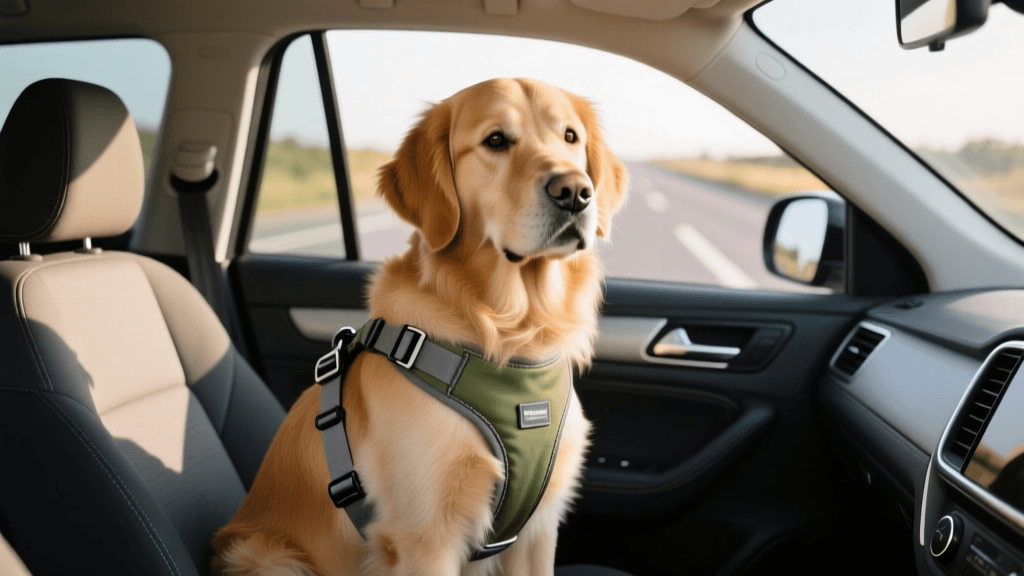
A major, often overlooked cause of car anxiety is a lack of physical security. Dogs that slide around the backseat or are tethered by a flimsy collar attachment feel inherently unsafe. Providing a secure, den-like environment can drastically reduce anxiety. Furthermore, an unrestrained dog is a deadly projectile in the event of a crash. The Center for Pet Safety (CPS), an independent nonprofit organization, conducts rigorous crash testing on pet travel products. When investing in car safety gear, always look for CPS-certified products.
| Restraint Type | Average Cost | Safety Rating | Best For |
|---|---|---|---|
| Crash-Tested Crate (e.g., Gunner G1, Ruff Land) | $500 - $800 | 5-Star (CPS Certified) | Large dogs, highway travel, maximum safety, and dogs with severe anxiety who need a den. |
| Crash-Tested Harness (e.g., Sleepypod Clickit Sport) | $80 - $120 | 5-Star (CPS Certified) | Medium to large dogs, owners with limited trunk space, dogs who panic in enclosed crates. |
| Console Carrier / Booster Seat | $150 - $250 | 5-Star (CPS Certified for small dogs) | Small dogs and cats (under 15 lbs) who need to be near the owner to remain calm. |
| Standard Seatbelt Tether / Zipline | $15 - $30 | Not Crash Tested (High Failure Rate) | Not recommended for safety; only useful for preventing the dog from jumping into the front seat. |
When to Consult a Veterinary Behaviorist
If you have diligently followed a desensitization protocol for several weeks, managed the physical environment, and your dog continues to exhibit severe panic, aggression, or self-injurious behavior in the car, it is time to seek professional help. A board-certified veterinary behaviorist can prescribe short-term anti-anxiety medications, such as Trazodone or Gabapentin, to lower your dog's baseline stress levels. These medications do not replace training; rather, they create a neurochemical window where your dog is calm enough to actually process and benefit from your counter-conditioning efforts.
Conclusion
Solving dog car anxiety and motion sickness requires a blend of veterinary science, behavioral psychology, and the right safety equipment. By accurately diagnosing whether your dog is physically ill or psychologically fearful, you can tailor your approach to meet their specific needs. Remember that patience and consistency are your greatest tools. With a structured 14-day training plan, proper fasting routines, and a CPS-certified restraint system, you can help your dog overcome their travel trauma and finally enjoy the journey as much as the destination.
aaron-whyte
All our authors care for dogs every day — read more of their work on the authors page.