Dog Weight Management: Caloric Needs and Feeding Guide
Discover practical dog weight management strategies. Learn to calculate caloric needs, use enrichment feeders, and maintain an ideal body condition.
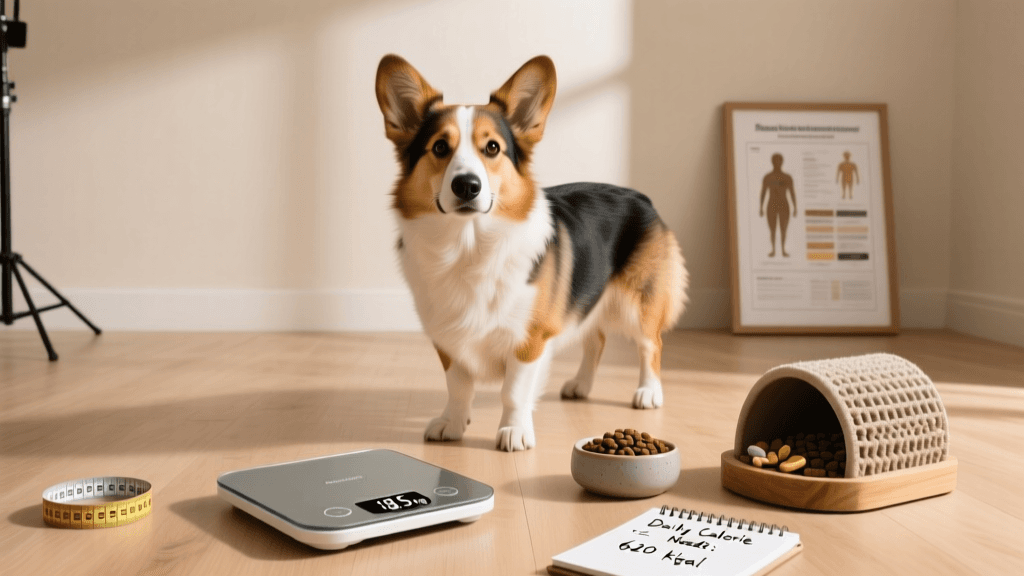
The Hidden Epidemic: Canine Obesity
According to the Association for Pet Obesity Prevention (APOP), over 50% of dogs in the United States are classified as overweight or obese. While a few extra pounds might seem harmless or even endearing, excess body fat is a metabolically active tissue that triggers chronic inflammation. This significantly increases the risk of osteoarthritis, cranial cruciate ligament tears, tracheal collapse, insulin resistance, and certain types of cancer. Effective dog weight management is not merely about aesthetics; it is a critical component of preventative healthcare that can add years to your pet’s life.
Transitioning your dog to a healthier weight requires a deep dive into their specific caloric needs, an understanding of pet food labeling, and the implementation of strategic feeding routines. In this comprehensive guide, we will explore the science of canine nutrition, the dangers of traditional feeding methods, and actionable enrichment strategies to keep your dog physically lean and mentally stimulated.
Decoding the Pet Food Label: Calories Per Cup
One of the most common mistakes dog owners make is assuming that one cup of kibble equals the same amount of energy across all brands. In reality, the caloric density of dog food varies wildly. A high-performance working dog kibble might contain 500 kilocalories (kcal) per cup, while a dedicated weight-management formula might contain only 250 kcal per cup.
If you switch your dog from a weight-management diet to a standard adult maintenance diet without adjusting the volume, you could inadvertently double their caloric intake. Always check the back of the bag or the manufacturer’s website for the kcal/cup or kcal/kg measurement. This number is the foundation of your dog’s weight management plan and dictates exactly how much food should be offered at each meal.
Calculating Your Dog’s Caloric Needs
To determine how much to feed, you must calculate your dog’s Resting Energy Requirement (RER) and Maintenance Energy Requirement (MER). Veterinary nutritionists, including the experts at the Tufts University Cummings Veterinary Medical Center, recommend the following formula to find the RER:
RER = 70 x (Body Weight in kg)^0.75
Once you have the RER, you multiply it by a specific factor based on your dog’s life stage and weight goals to find the MER. For a weight loss program, you typically calculate the RER based on the dog’s target ideal weight, not their current overweight status.
Practical Calculation Example
Let’s look at a 30-pound (13.6 kg) neutered adult dog whose ideal target weight is 25 pounds (11.3 kg).
- Step 1: Convert target weight to kg (25 lbs / 2.2 = 11.3 kg).
- Step 2: Calculate RER for target weight: 70 x (11.3)^0.75 = 433 kcal/day.
- Step 3: Apply the weight loss multiplier (typically 1.0 for safe, gradual weight loss in dogs): 433 x 1.0 = 433 kcal/day.
This dog should consume exactly 433 calories per day from all sources, including meals and treats, to safely reach their 25-pound goal.
The Danger of Measuring Cups
A landmark study by the APOP revealed that using standard measuring cups to portion dry dog food can result in caloric discrepancies of up to 20% or more. Scooping techniques, the angle of the cup, and the size of the kibble pieces all contribute to massive inconsistencies. Overfeeding by just 10 extra pieces of kibble a day can result in several pounds of unwanted weight gain over a year.
The Solution: Ditch the measuring cup and invest in a digital kitchen scale. The OXO Good Grips 11-Pound Stainless Steel Food Scale (retailing for approximately $30) is a staple for pet owners serious about portion control. Simply place your dog’s bowl on the scale, press the ‘tare’ button to zero it out, and pour the kibble until you hit the exact gram weight recommended by your veterinarian or the food’s feeding chart.
Enrichment Feeding: Making Calories Count
Weight management is not just about restricting food; it is about optimizing how those calories are delivered. Dogs are natural foragers and problem solvers. Feeding them their entire daily allowance from a traditional bowl in under two minutes deprives them of mental stimulation and can lead to behavioral issues born from boredom.
"Weight management is not just about restricting food; it is about optimizing how those calories are delivered to support both physical and mental well-being."
By utilizing enrichment feeders, you can slow down your dog’s eating pace (reducing the risk of gastrointestinal distress and bloat) while forcing them to burn mental energy. Here are three highly effective, actionable enrichment tools:
1. The Classic Kong (Approx. $15.99)
Stuff the Kong with a portion of your dog’s measured daily kibble, add one tablespoon of plain, non-fat Greek yogurt, and a few blueberries. Seal the top with a smear of canned pumpkin (ensure it is 100% pure pumpkin, not pie filling) and freeze for 4 hours. This provides a long-lasting, low-calorie challenge that can keep a dog occupied for 20 to 40 minutes.
2. Outward Hound Nina Ottosson Dog Brick (Approx. $29.99)
This intermediate-level puzzle toy requires your dog to flip lids and slide blocks to uncover hidden kibble. It is excellent for intelligent breeds like Border Collies or Poodles who need cognitive work to feel satiated.
3. Snuffle Mats ($20 - $30)
Snuffle mats mimic the act of foraging in tall grass. By scattering your dog’s measured kibble deep within the fabric strips, you engage their primary sense—smell. Scent work is incredibly taxing on a dog’s brain and can be as tiring as a long physical walk.
Comparison Chart: Feeding Methods
| Feeding Method | Average Cost | Eating Time | Mental Stimulation | Best For |
|---|---|---|---|---|
| Traditional Bowl | $5 - $15 | 1 - 3 minutes | None | Strict medical monitoring |
| Slow Feeder Bowl | $10 - $20 | 5 - 10 minutes | Low | Dogs prone to gulping |
| Puzzle Toy (Dog Brick) | $25 - $35 | 15 - 20 minutes | High | Intelligent, bored breeds |
| Snuffle Mat | $20 - $30 | 10 - 15 minutes | Medium-High | Scent hounds and foragers |
| Stuffed Kong (Frozen) | $15 - $20 | 20 - 40 minutes | High | High-energy, anxious dogs |
The 10% Treat Rule and Low-Calorie Alternatives
Treats are often the silent saboteurs of weight loss plans. Veterinary nutritionists universally recommend the 10% Rule: treats and snacks should never constitute more than 10% of your dog’s total daily caloric intake. If your dog requires 500 kcal per day, their treat allowance is a strict maximum of 50 kcal.
Commercial training treats can contain 20 to 40 calories each, meaning just a few repetitions during a training session can blow past the daily limit. Instead, utilize high-value, low-calorie whole foods:
- Baby Carrots: 4 kcal per medium carrot. Excellent for crunching and dental health.
- Green Beans: 2 kcal per bean (canned in water, no salt added). Great volume filler.
- Apple Slices: 15 kcal per 1/4 cup (core and seeds removed). High in fiber and vitamins.
- Cucumber Slices: 2 kcal per slice. Highly hydrating and virtually guilt-free.
Pro-Tip: Dedicate a small Tupperware container in your fridge each morning filled with your dog’s exact 10% treat allowance. When the container is empty, treats are done for the day. This removes the guesswork and emotional guilt of saying no.
Monitoring Progress: The Body Condition Score (BCS)
Scales are useful, but they do not tell the whole story. Muscle weighs more than fat, and a dog’s ideal weight can fluctuate based on age and muscle mass. This is why the World Small Animal Veterinary Association (WSAVA) advocates for using the 9-point Body Condition Score (BCS) system.
An ideal BCS is a 4 or 5 out of 9. To assess your dog at home, perform these three tactile and visual checks every two weeks:
- The Rib Check: You should be able to easily feel your dog’s ribs under a thin layer of fat, similar to feeling the knuckles on the back of your hand. If you have to press hard, they are overweight.
- The Overhead View: Looking down from above, your dog should have a visible waist tuck behind the ribcage. An oval or rectangular shape indicates excess fat.
- The Profile View: From the side, the abdomen should tuck up neatly behind the ribcage. A sagging or straight belly line is a sign of obesity.
Weigh your dog every 2 to 4 weeks using the same scale. If your dog is not losing 1% to 2% of their body weight per week on their calculated caloric deficit, reduce their daily intake by an additional 10% and consult your veterinarian to rule out underlying metabolic conditions like hypothyroidism or Cushing’s disease.
Conclusion: Consistency is Key
Successful dog weight management is a marathon, not a sprint. By calculating precise caloric needs, utilizing a digital scale, embracing enrichment feeding, and strictly monitoring treats, you can help your dog achieve a lean, healthy physique. Remember that every pound lost reduces the mechanical stress on their joints and the metabolic strain on their organs. Commit to the routine, celebrate the non-scale victories like increased energy and mobility, and enjoy a longer, more vibrant life with your best friend.
robin-maitland
All our authors care for dogs every day — read more of their work on the authors page.