The Essential Guide To Caring For Your Aging Senior Dog
Discover essential tips for caring for your aging senior dog. Learn about diet changes, joint health, and daily routines to keep your older pet happy.
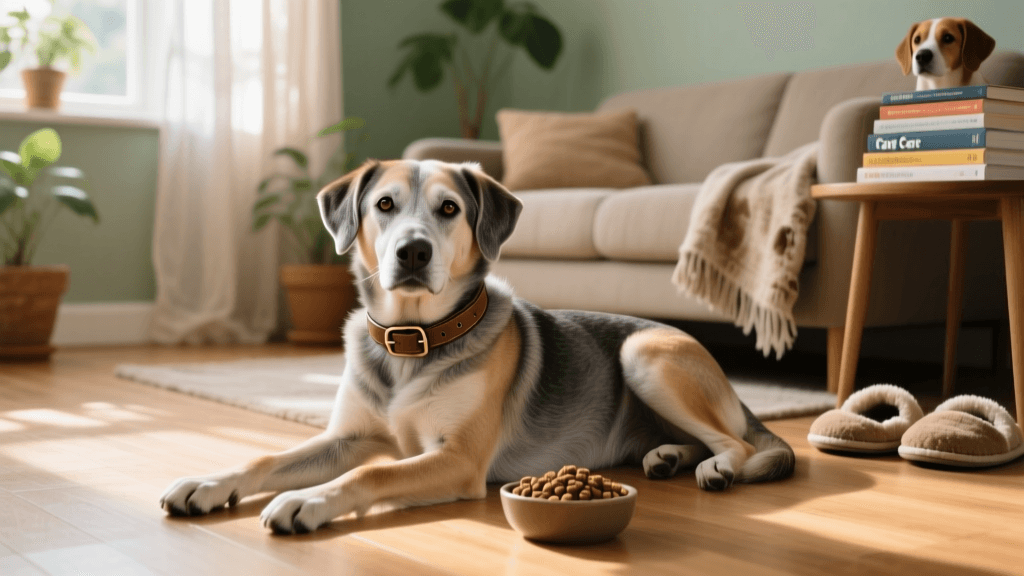
Watching your dog transition from a boundless, energetic companion into a distinguished, gray-muzzled senior is one of the most rewarding yet bittersweet experiences of pet ownership. The 'Life with Your Dog' journey doesn't end when the puppy phase fades; in fact, the senior life stage requires a profound shift in how you manage your dog's daily routines, environment, and healthcare. Aging is a natural life stage, not a disease, but it does bring about physiological changes that demand proactive, compassionate adjustments from dedicated dog owners.
In this comprehensive life stage care guide, we will explore the practical, actionable steps you can take to ensure your aging senior dog remains comfortable, mobile, and joyful. From modifying their diet and exercise routines to investing in specialized home modifications and preventative veterinary care, this guide covers everything you need to know about sharing your life with an older dog.
Understanding the Senior Life Stage
One of the most common misconceptions among dog owners is that all dogs become 'seniors' at age seven. In reality, the aging process in canines is heavily influenced by their size, breed, and genetics. According to the American Veterinary Medical Association (AVMA), smaller breeds tend to age more slowly and live significantly longer than giant breeds. Recognizing when your specific dog enters their senior years is the first step in tailoring their care.
| Size Category | Weight Range | Senior Age Threshold | Expected Lifespan |
|---|---|---|---|
| Toy & Small | Under 20 lbs | 10 - 12 Years | 14 - 18 Years |
| Medium | 21 - 50 lbs | 8 - 10 Years | 12 - 15 Years |
| Large | 51 - 90 lbs | 7 - 9 Years | 10 - 13 Years |
| Giant | Over 90 lbs | 5 - 7 Years | 8 - 11 Years |
Adjusting Your Senior Dog's Diet and Nutrition
As your dog's metabolism slows down and their activity levels naturally decrease, their caloric requirements will drop. However, their need for high-quality, easily digestible protein and targeted micronutrients actually increases. The American Kennel Club (AKC) emphasizes that senior dog diets should focus on maintaining lean muscle mass while preventing obesity, which can severely exacerbate joint issues.
Caloric Management and Food Selection
Consider transitioning to a premium senior-specific formula, such as Hill's Science Diet Senior Vitality or Purina Pro Plan Bright Mind. These formulas typically contain around 300-350 calories per cup, compared to the 400+ calories found in active adult formulas. Expect to spend between $60 and $85 for a 30-pound bag of high-quality senior kibble. If your dog is losing weight unexpectedly—a common issue in older dogs due to decreased nutrient absorption or dental pain—consult your vet about switching to a calorie-dense wet food or adding a high-protein topper like plain, boiled chicken breast or a spoonful of plain pumpkin puree.
Targeted Joint and Cognitive Supplements
Osteoarthritis affects up to 80% of senior dogs. To support joint health, look for supplements containing Glucosamine Hydrochloride, Chondroitin Sulfate, and MSM. Dasuquin Advanced Soft Chews (approximately $75 for 150 chews) is a veterinarian-recommended option that provides comprehensive joint support. Additionally, Omega-3 fatty acids derived from wild-caught salmon oil (such as Zesty Paws Omega Bites, ~$25) can drastically reduce systemic inflammation and support cognitive function.
Modifying Exercise and Daily Routines
While your senior dog may no longer be able to join you on a five-mile run or endure hours of vigorous fetch, daily exercise remains absolutely critical for maintaining joint mobility, muscle tone, and mental stimulation. The key is shifting from high-impact, endurance-based activities to low-impact, consistent movement.
- Shorter, Frequent Walks: Replace one long 60-minute walk with three 15-to-20-minute leisurely strolls throughout the day. This prevents joint stiffness without causing exhaustion.
- Sniffaris: Allow your dog to dictate the pace of the walk. 'Sniffing' is highly mentally stimulating for dogs and can tire them out just as much as physical exercise, which is excellent for seniors with limited mobility.
- Hydrotherapy and Swimming: If you have access to a canine hydrotherapy center or a safe, warm body of water, swimming provides zero-impact resistance training that builds muscle without stressing the joints.
- Indoor Enrichment: On days when the weather is poor, use puzzle toys like the Kong Classic stuffed with soft senior dog food, or hide low-calorie treats around the living room to encourage gentle foraging.
Home Modifications for Mobility and Comfort
Sharing your life with a senior dog means adapting your living space to accommodate their changing physical abilities. Slippery hardwood floors and steep stairs are major hazards for older dogs suffering from hip dysplasia or general muscle atrophy.
Invest in Orthopedic Support
A standard plush dog bed will not provide the necessary support for aging joints. Invest in a high-quality orthopedic bed made from human-grade memory foam. The Big Barker Orthopedic Dog Bed (ranging from $250 to $350) is widely considered the gold standard for large senior dogs, offering a 10-year warranty and therapeutic joint relief. For smaller breeds, the Furhaven Orthopedic Sofa Bed (~$45) offers excellent bolster support for their neck and spine.
Mobility Aids and Safety Gear
To help your dog navigate the home and vehicle safely, consider the following modifications:
- Pet Ramps: The PetSafe Happy Ride Folding Pet Ramp (~$80) is essential for helping your dog get in and out of SUVs without jumping, which can cause catastrophic ligament tears in senior dogs.
- Non-Slip Surfaces: Lay down interlocking foam floor tiles or secure rubber-backed area rugs in high-traffic areas and hallways to give your dog the traction they need to stand and walk confidently.
- Raised Bowls: Elevating your dog's food and water bowls by 4 to 8 inches (depending on their height) reduces the strain on their neck and spine during mealtimes.
Grooming, Dental Care, and Hygiene
Senior dogs often struggle to groom themselves due to spinal stiffness or arthritis. As a result, their coat can become matted, and their nails can grow excessively long, which alters their gait and causes further joint pain. Schedule a nail trim and paw pad shave every 3 to 4 weeks. If your dog is highly anxious at the groomer, consider hiring a mobile groomer who can provide a low-stress, one-on-one environment right in your driveway.
Dental disease is another critical concern. Periodontal disease can lead to systemic infections affecting the heart and kidneys. If your dog can no longer tolerate professional dental cleanings under anesthesia due to underlying health conditions, work with your vet to implement a daily at-home dental routine using enzymatic toothpastes like Virbac C.E.T. or dental wipes designed for sensitive gums.
Preventative Veterinary Care and Cognitive Health
The ASPCA strongly recommends that senior dogs visit the veterinarian at least twice a year. Because dogs age much faster than humans, a six-month gap between visits is equivalent to several years in human time. These bi-annual visits should include a comprehensive senior blood panel (checking kidney, liver, and thyroid function), a urinalysis, and a thorough joint assessment.
Recognizing Canine Cognitive Dysfunction (CCD)
Similar to Alzheimer's disease in humans, Canine Cognitive Dysfunction (CCD) affects a significant portion of the senior dog population. Symptoms include disorientation, changes in sleep-wake cycles (pacing at night), house soiling in previously trained dogs, and a decrease in social interaction. If you notice these signs, consult your veterinarian. Prescription medications like Selegiline (Anipryl) and specialized diets rich in antioxidants and medium-chain triglycerides (MCTs) can significantly slow the progression of cognitive decline and improve your dog's quality of life.
'Aging is not a disease to be cured, but a life stage to be supported. By adapting your home, diet, and routine, you honor the years of joy your dog has given you by ensuring their golden years are truly golden.'
Conclusion
Caring for an aging senior dog requires patience, financial investment, and a deep well of empathy. By understanding the specific needs of your dog's life stage, adjusting their nutrition, modifying their exercise routines, and making your home a safe, accessible sanctuary, you can dramatically enhance their daily quality of life. The 'Life with Your Dog' journey is a profound privilege, and providing compassionate, targeted care during their senior years is the ultimate way to say thank you for a lifetime of unconditional love.
anouk-beaumont
All our authors care for dogs every day — read more of their work on the authors page.