Solving First-Night Puppy Crate Crying: A Troubleshooting Guide
Struggling with first-night puppy crate crying? Diagnose the root causes of nighttime whining and apply proven, step-by-step solutions for peaceful sleep.
The Reality of Bringing a Puppy Home
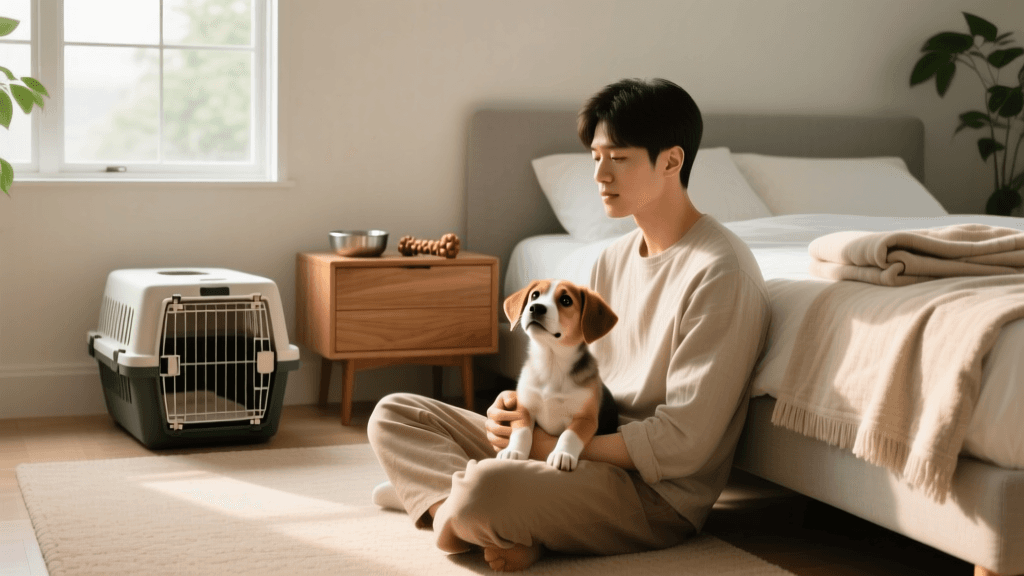
Bringing a new puppy home is one of life's most exciting milestones, but the first few nights can quickly turn that excitement into sheer exhaustion. You have prepared the bed, bought the toys, and stocked up on premium kibble, yet at 2:00 AM, you are met with a piercing, relentless whine coming from the crate. For new dog owners, first-night puppy crate crying is arguably the most common and distressing problem encountered during the 'getting a dog' phase.
According to the American Kennel Club (AKC), crate training is an essential part of housebreaking and providing a safe den for your dog. However, a puppy's transition from a warm, crowded litter to a solitary wire or plastic box in a strange house is a massive psychological shock. To solve this problem, we must move away from guesswork and adopt a structured 'Problem Diagnosis and Solutions' approach. By identifying the specific trigger for your puppy's distress, you can implement targeted, actionable solutions that promote healthy sleep habits from day one.
Problem Diagnosis: Decoding the Nighttime Whine
Not all crying is created equal. A puppy might whine because they need to eliminate, because they are overstimulated, or simply because they are experiencing separation distress. Before you react, you must diagnose the root cause. Use the following diagnostic chart to interpret your puppy's nighttime vocalizations.
| Whine Type & Timing | Probable Cause | Immediate Action Required |
|---|---|---|
| High-pitched, frantic barking (First 2 hours) | Overstimulation or Fear of Isolation | Do not reward with attention. Use white noise and a covered crate to reduce visual stimuli. |
| Intermittent whining, pacing sounds (3-5 hours after sleep) | Biological Need to Eliminate | Take outside immediately on a leash. No play, no talking. Return directly to the crate. |
| Low, continuous grumbling (Early morning, 5 AM+) | Habitual waking / Seeking attention | Wait for a 3-second pause in the noise before opening the crate to avoid reinforcing the behavior. |
Solution 1: Optimizing the Crate Environment
A poorly configured crate is a primary culprit for nighttime restlessness. Puppies are den animals, but a den should feel secure, not cavernous. If your crate is too large, the puppy may use one end as a bedroom and the other as a bathroom, which defeats the purpose of crate training and causes distress.
Measurements and Spatial Setup
The ASPCA recommends that a puppy should have just enough room to stand up, turn around, and lie down comfortably. If you purchased a 42-inch adult crate for a Golden Retriever, you must use a wire divider panel to restrict the space to roughly 24 inches. Allow exactly 2 to 4 inches of extra space beyond the puppy's current body length.
Sensory Soothing Products
To replicate the feeling of sleeping against littermates, invest in a heartbeat toy. The SmartPetLove Snuggle Puppy (approx. $40) is an industry-standard solution that includes a pulsating heartbeat insert and a disposable heat pack. Place this in the back corner of the crate. Additionally, cover the top and three sides of the crate with a breathable blanket to create a dark, enclosed den, leaving only the front door exposed for airflow.
Solution 2: Mastering the Pre-Bedtime Routine
Solving nighttime crying begins hours before the lights go out. A puppy that is put to bed with a full bladder and pent-up energy is a puppy destined to cry. Implement this strict evening timeline to set your dog up for success.
- 6:00 PM - Last Meal: Feed the puppy their final meal of the day. Digestion takes roughly 4 to 6 hours, ensuring they will need to eliminate before midnight.
- 7:30 PM - Water Cut-Off: Pick up the water bowl. Puppies have tiny bladders, and restricting water 2.5 hours before bed drastically reduces 3 AM potty trips.
- 8:00 PM - Decompression Play: Avoid high-intensity fetch or wrestling. Engage in mental enrichment, such as a snuffle mat or frozen Kong, to tire their brain without spiking adrenaline.
- 10:30 PM - The Final Potty: Take the puppy outside on a leash. Stand in one spot and use a cue word like 'Go Potty'. Wait until they fully empty their bladder and bowels.
- 10:45 PM - Crate and Sleep: Place the puppy in the crate with a safe chew toy. Turn on a white noise machine (like the LectroFan, approx. $35) to mask household sounds and simulate the ambient noise of a litter.
Solution 3: The 3 AM Response Protocol
When the puppy inevitably wakes up in the middle of the night, your reaction will either build a solid sleep foundation or create a chronic crying habit. The Humane Society of the United States emphasizes that consistency is the most critical factor in crate training. Follow this strict protocol when the whining starts.
'Never let a puppy out of the crate while they are actively crying or barking. Doing so teaches them that making noise is the key that unlocks the door. Always wait for a brief moment of silence.'
Step-by-Step Nighttime Potty Trip
- Listen and Wait: If the puppy whines, wait 10 to 15 seconds. If they pause to take a breath, that is your window.
- The Silent Scoop: Approach the crate calmly. Do not make eye contact, do not speak in a high-pitched 'baby' voice, and do not pet them.
- Leash Up: Attach a leash immediately to prevent them from wandering off to play or have an accident in the hallway.
- Business Only: Carry or walk them directly to their designated outdoor potty spot. Stand still for up to 5 minutes.
- Return to Crate: If they eliminate, offer a tiny, pea-sized treat and silently return them to the crate. If they do not eliminate after 5 minutes, return them to the crate and try again in 20 minutes.
Essential Nighttime Gear and Cost Breakdown
Investing in the right tools upfront saves you from weeks of sleep deprivation and potential behavioral issues. Below is a checklist of highly recommended products for diagnosing and solving first-night crate distress.
| Product Category | Recommended Item | Estimated Cost | Purpose |
|---|---|---|---|
| Heartbeat Toy | SmartPetLove Snuggle Puppy | $40 - $50 | Simulates littermates; reduces separation anxiety. |
| White Noise | LectroFan or Hatch Restore | $35 - $50 | Drowns out triggering household and outdoor noises. |
| Crate Cover | Muddy Pigs Crate Cover or Breathable Blanket | $20 - $40 | Blocks visual stimuli; creates a secure 'den' feel. |
| Potty Bells | Paws & Pals Doorbell | $10 - $15 | Future-proofs communication for when they are older. |
When to Seek Professional Help
While first-night crying is entirely normal, prolonged panic, self-injury (such as breaking teeth on crate wires), or excessive drooling and urination inside the crate may indicate severe canine separation anxiety or confinement distress. If your puppy exhibits these extreme symptoms beyond the first three nights, consult a certified professional dog trainer (CPDT) or a veterinary behaviorist. They can help you transition to a playpen setup or implement a desensitization protocol tailored to your dog's specific psychological needs.
Remember, getting a dog is a marathon, not a sprint. By accurately diagnosing the root of your puppy's nighttime cries and applying these structured, compassionate solutions, you will pave the way for a lifetime of restful nights and a deeply bonded relationship with your new best friend.
hannah-wickes
All our authors care for dogs every day — read more of their work on the authors page.