Puppy Bonding 2026: Snuffle Mats & Hand-Feeding Protocols
Discover 2026 hand-feeding protocols and snuffle mat games to build deep trust, focus, and a lifelong bond with your new puppy.
The Science of Puppy Bonding in 2026
Welcoming a new puppy into your home is one of life’s most exciting milestones, but building a deep, unbreakable bond requires more than just cuddles and playtime. As we navigate the canine behavioral landscape in 2026, veterinary behaviorists and certified dog trainers are leaning heavily into cognitive enrichment and cooperative feeding strategies. The days of simply pouring kibble into a stainless-steel bowl and walking away are over. Today, we understand that a puppy’s first year is a critical window for neurological development, and how we deliver their daily nutrition plays a massive role in shaping their trust, focus, and emotional resilience.
Modern canine science tells us that cooperative activities trigger the release of oxytocin—the 'love hormone'—in both dogs and humans. By transforming mealtime into an interactive bonding experience, you are not just feeding your puppy; you are actively wiring their brain to associate your presence with safety, reward, and mental stimulation. In this comprehensive guide, we will explore the two most powerful bonding tools available to modern puppy owners: structured hand-feeding protocols and scent-based snuffle mat enrichment.
Why Hand-Feeding is the Ultimate Bonding Tool
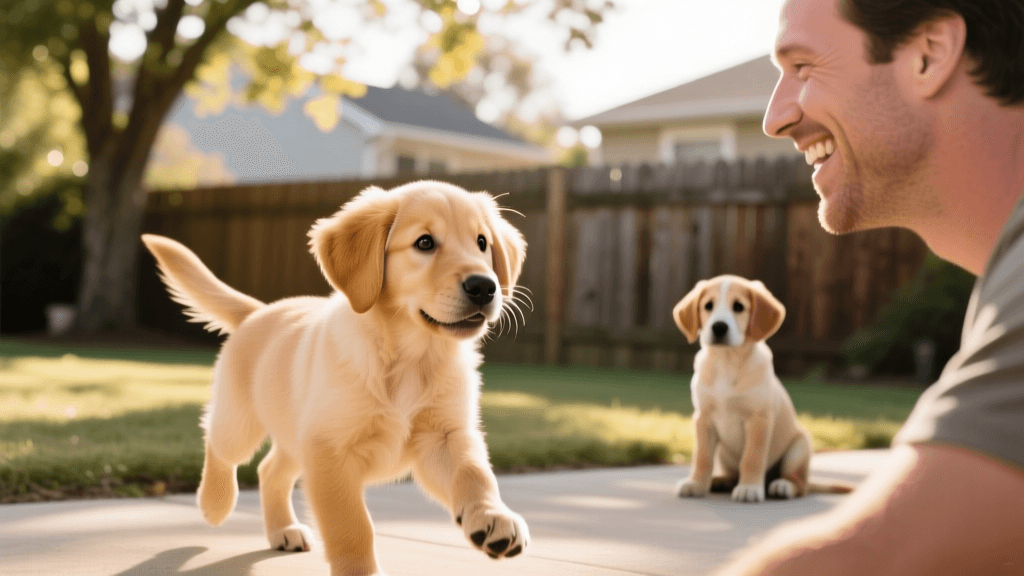
Hand-feeding is exactly what it sounds like: delivering your puppy’s daily meals directly from your hand rather than a bowl. While it might sound tedious, the Humane Society of the United States emphasizes that hand-feeding is one of the most effective ways to establish yourself as a source of good things, thereby building a foundation of trust and reducing resource guarding behaviors before they ever begin.
When you hand-feed, you become the center of your puppy’s universe. They learn to look to you for guidance, which naturally builds impulse control and eye contact. In 2026, top-tier puppy training programs mandate at least four weeks of hand-feeding for newly adopted puppies to accelerate the bonding process and lay the groundwork for advanced obedience.
The 2026 Hand-Feeding Protocol for Focus
To implement a successful hand-feeding protocol, you need to be strategic. It is not about tossing food randomly; it is about creating a structured dialogue between you and your puppy.
- Step 1: Measure the Daily Ration. Calculate your puppy’s daily caloric needs based on their 2026 breed-specific growth charts. Measure out their exact daily allowance of high-quality, single-ingredient kibble or freeze-dried nutrition into a treat pouch. This prevents overfeeding.
- Step 2: The 'Focus and Release' Method. Hold a piece of food in your closed fist. Wait for your puppy to stop pawing and sniffing, and instead make eye contact with you. The moment they look at your eyes, mark the behavior with a gentle 'Yes!' and open your hand to let them eat.
- Step 3: Incorporate Basic Cues. Once your puppy understands that eye contact yields food, begin asking for simple behaviors like 'sit' or 'touch' (hand target) before delivering the reward from your hand.
- Step 4: Environmental Proofing. Practice hand-feeding in different rooms, in the backyard, and eventually on quiet walks. This teaches your puppy that you are the most valuable resource in any environment.
Integrating Snuffle Mats for Mental Enrichment and Trust
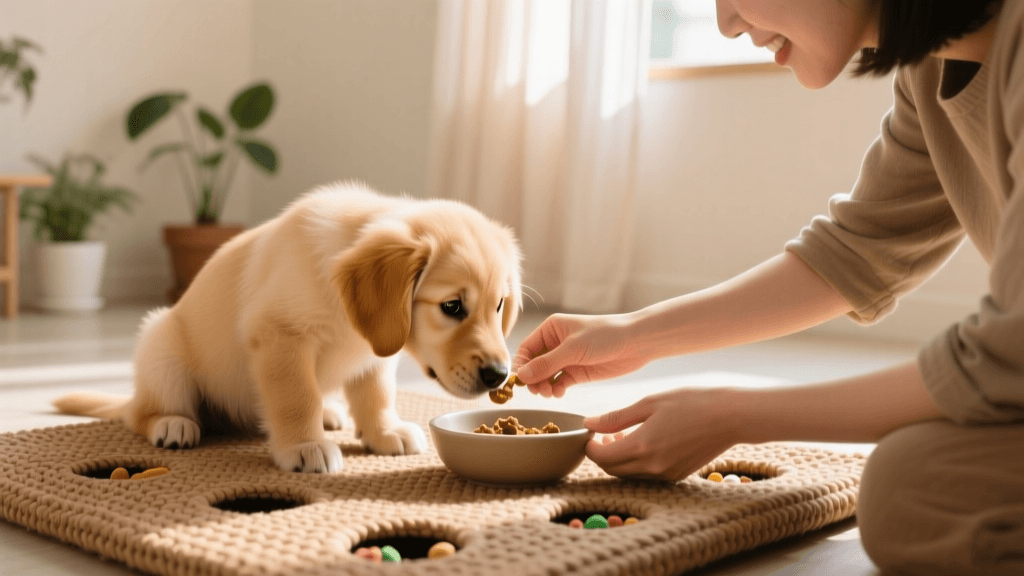
While hand-feeding builds focus and handler engagement, sniffing builds confidence and emotional regulation. A snuffle mat is a fabric-based puzzle toy designed to mimic the act of foraging for food in deep grass. When a puppy engages in deep, sustained sniffing, their heart rate actually decreases, and their parasympathetic nervous system activates, promoting a state of calm.
In 2026, the market is flooded with enrichment toys, but high-quality snuffle mats with weighted, non-slip silicone bases and upcycled, machine-washable fleece remain the gold standard for decompression. Using a snuffle mat allows your puppy to engage their primary sense—smell—to solve a problem, which builds independent confidence. A confident puppy is a secure puppy, and a secure puppy forms a much healthier, less codependent bond with their owner.
How to Introduce the Snuffle Mat
Do not just dump a cup of kibble onto the mat and walk away. The introduction should be a guided, cooperative experience.
- Start Easy: For the first few sessions, place large, high-value treats (like freeze-dried salmon bites) on the very surface of the mat. Sit with your puppy and encourage them to investigate.
- Guide the Nose: If your puppy tries to use their paws or flip the mat, gently guide their nose back to the fabric using a treat in your hand. Praise them heavily when they use their snout.
- Increase Difficulty: Once they understand the game, begin pushing the kibble deeper into the fabric folds.
- Supervised Bonding: Sit on the floor next to the mat while they forage. Your calm presence while they engage in a soothing activity reinforces that you are a safe, supportive figure during their independent tasks.
Comparing Puppy Feeding and Bonding Methods
To understand where hand-feeding and snuffle mats fit into your daily routine, it is helpful to compare them against traditional feeding methods. The table below outlines the benefits of each approach based on current 2026 canine behavioral standards.
| Feeding Method | Mental Stimulation | Bonding Factor | Best Use Case | Caloric Management |
|---|---|---|---|---|
| Standard Bowl Feeding | Very Low | Low | Quick meals when time is severely limited | High risk of rapid eating/bloat |
| Hand-Feeding Protocol | High | Extremely High | Training sessions, building focus, impulse control | Excellent (owner controls every bite) |
| Snuffle Mat Foraging | Extremely High | Moderate (Builds trust via decompression) | Calming hyperactive puppies, rainy day indoor enrichment | Good (slows eating, aids digestion) |
| Lick Mat Soothing | Moderate | Low to Moderate | Grooming sessions, vet visits, crate training | Requires wet/frozen foods (monitor calories) |
Step-by-Step Bonding Routine for the First 30 Days
The first month with a new puppy is crucial. According to the ASPCA, early positive experiences and structured socialization are vital for a well-adjusted adult dog. Here is a 30-day bonding schedule utilizing the tools discussed above.
Week 1: Decompression and Hand-Feeding Foundation
During the first week, your puppy is likely overwhelmed by their new environment. Keep the household quiet. Feed 100% of their meals via the hand-feeding protocol. This establishes you as the provider of all good things and helps the puppy learn your scent, your voice, and your body language in a low-stress setting.
Week 2: Eye Contact and Impulse Control
Continue hand-feeding, but start asking for longer durations of eye contact before releasing the food. Introduce the 'wait' cue by holding the food in your open palm and only allowing the puppy to take it when they pause and look at you. This builds incredible emotional regulation.
Week 3: Introducing the Snuffle Mat
Begin replacing one hand-fed meal per day with a snuffle mat session. Use this time to sit quietly on the floor nearby, reading a book or working on your laptop, allowing the puppy to learn how to self-soothe and decompress in your presence without needing constant direct interaction.
Week 4: Combined Scent and Focus Games
Now, combine the two methods. Hide small piles of kibble around a safe, puppy-proofed room (early scent work) and use hand-feeding to reward them when they find the piles. This merges the confidence-building aspect of nose work with the handler-focus of hand-feeding.
Reading Canine Body Language During Bonding
A critical component of relationship building is learning to listen to what your puppy is saying. Bonding is a two-way street, and respecting your puppy’s boundaries will earn their trust faster than any treat.
'Trust is built in the micro-moments of consent. When a puppy leans into your touch, they are giving consent. When they look away, lick their lips, or yawn, they are asking for space. Respecting those signals is the cornerstone of modern, force-free bonding.'
In 2026, force-free training methodologies are universally supported by veterinary boards. If your puppy shows signs of overstimulation during a hand-feeding session (such as frantic jumping, nipping, or whale eye), calmly end the session. Place the remaining food in a snuffle mat or a puzzle toy, giving them a chance to decompress. Recognizing and respecting their emotional limits proves to your puppy that you are a safe, predictable leader.
Overcoming Common Bonding Hurdles
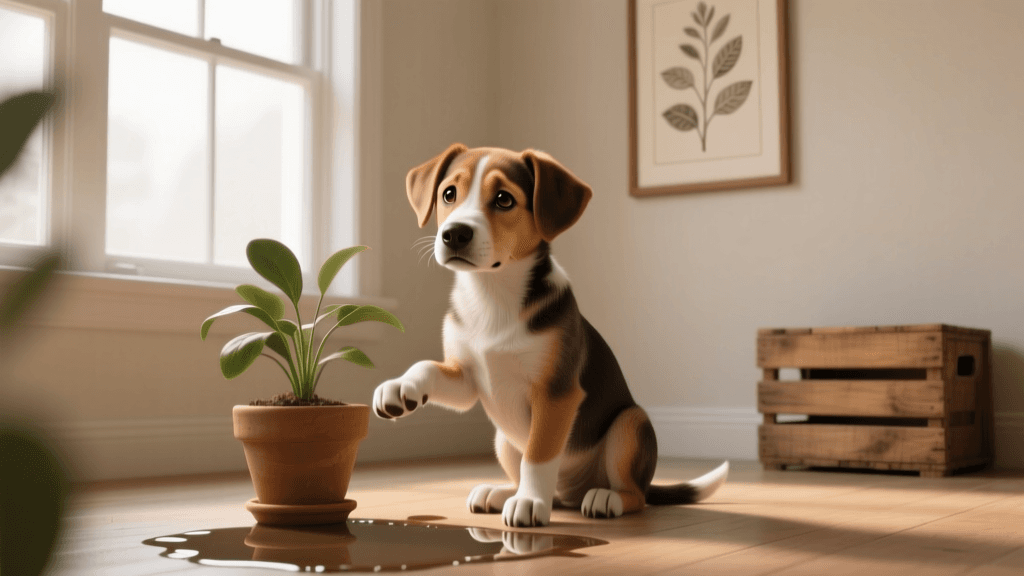
Sometimes, puppies come with baggage, especially if they were rescued from less-than-ideal early environments. If your puppy is hand-shy or afraid to take food gently, do not force the issue.
- For Hand-Shy Puppies: Drop the food into a small ceramic ramekin held in your hand, rather than offering it directly from your skin. Gradually transition to holding the food between your fingertips as the puppy gains confidence.
- For Resource Guarders: Never punish a growl. If your puppy stiffens when you approach their snuffle mat, toss a high-value treat (like a piece of boiled chicken) from a distance and walk away. This teaches them that your approach predicts better things arriving, not resources being stolen.
- For Highly Distracted Puppies: If your puppy cannot focus on hand-feeding because the environment is too stimulating, move to a smaller, quieter room like a bathroom or a walk-in closet to practice. Lowering the environmental 'noise' helps them tune into you.
Conclusion: A Lifelong Partnership
Bonding with your puppy is not a passive event; it is an active, daily practice. By ditching the food bowl and embracing the 2026 standards of hand-feeding protocols and snuffle mat enrichment, you are doing much more than satisfying your puppy's hunger. You are building a sophisticated communication system rooted in trust, mutual respect, and cognitive engagement. The time you invest in these cooperative feeding routines during your puppy's first year will pay dividends for the rest of their life, transforming a dependent infant into a confident, deeply connected canine companion.
tom-renshaw
All our authors care for dogs every day — read more of their work on the authors page.