Puppy Potty Training Regression: Diagnosis and Fixes
Is your potty-trained puppy having accidents again? Discover the root causes of potty training regression and actionable solutions to fix it fast.
The Heartbreak of Potty Training Regression
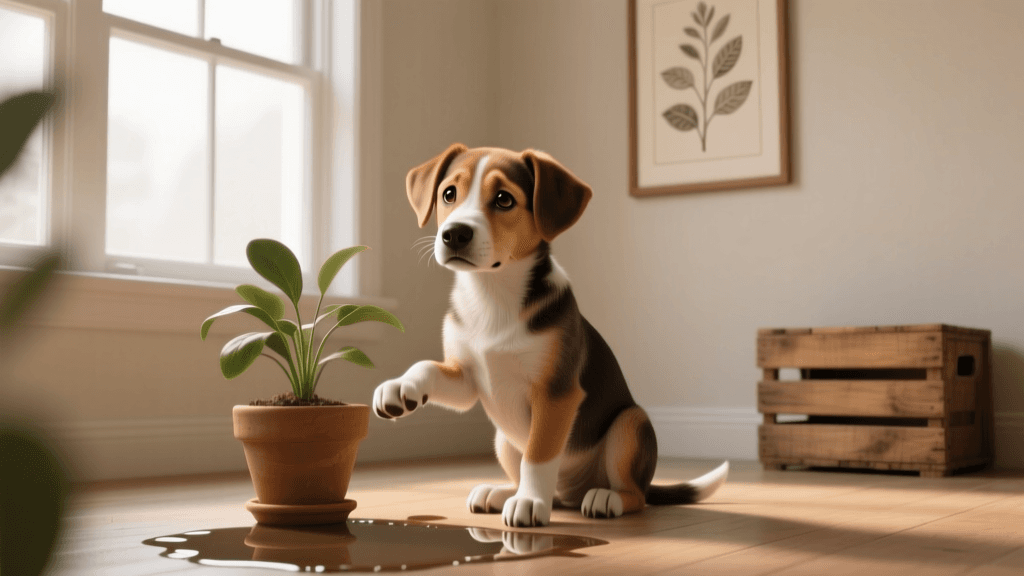
There are few things more frustrating for a new dog owner than potty training regression. You have spent weeks diligently taking your puppy outside every two hours, rewarding them with high-value treats, and celebrating every successful bathroom break. Suddenly, just when you thought you had crossed the finish line, your puppy starts having accidents in the house again. Potty training regression is a common, albeit maddening, hurdle in the first year of a puppy's life. It is crucial to understand that your puppy is not acting out of spite or trying to punish you. Regression is a symptom of an underlying issue, ranging from medical conditions to environmental stressors. In this comprehensive guide, we will diagnose the root causes of potty training regression and provide actionable, step-by-step solutions to get your puppy back on track.
What Exactly is Potty Training Regression?
Potty training regression occurs when a puppy or young dog that has previously demonstrated reliable house-training habits begins to eliminate indoors again. This can manifest as frequent small accidents, a sudden refusal to go outside, or a return to substrate preferences like urinating on rugs or blankets. According to the ASPCA, setbacks are a normal part of the house-training process, especially during the first year of life when puppies are undergoing massive physical and cognitive changes. Recognizing that regression is a temporary roadblock rather than a permanent failure is the first step toward resolving the issue.
Diagnosing the Root Cause of Puppy Accidents
Before you can fix the problem, you must play detective and identify why the regression is happening. Jumping straight to stricter training without addressing the root cause will only lead to mutual frustration. Here are the primary culprits behind potty training regression.
1. Medical Issues and Infections
The very first thing you must rule out is a medical problem. Urinary tract infections (UTIs), bladder stones, gastrointestinal parasites like Giardia, and even early-onset diabetes can cause a sudden loss of bladder or bowel control. According to VCA Hospitals, UTIs are incredibly common in young dogs and present with symptoms like frequent urination, straining to pee, and accidents in the house. If your puppy is suddenly unable to hold their bladder, or if they are licking their genital area excessively, a veterinary visit is non-negotiable. Expect to pay between $50 and $150 for a basic urinalysis and fecal exam, a small price to pay to rule out painful infections.
2. Environmental Stress and Anxiety
Dogs are highly sensitive to changes in their environment. A recent move, the arrival of a new baby, the introduction of a new pet, or even a change in your work schedule can trigger anxiety in a puppy. When a puppy is stressed, their digestive and urinary systems can become hyperactive, leading to indoor accidents. Furthermore, stress can cause a puppy to forget previously learned cues and routines as their brain enters a state of hyper-vigilance.
3. Inconsistent Routines and Owner Error
Often, regression is a result of human error. As puppies grow and start holding their bladder for longer periods, owners naturally become more relaxed. You might start letting them out into the yard unsupervised instead of walking them on a leash, or you might stretch the time between potty breaks from two hours to four. If the puppy goes outside but spends the time playing instead of eliminating, they will eventually have an accident indoors. Premature freedom is the enemy of reliable house training.
4. Developmental Fear Periods
Puppies go through specific developmental stages known as fear periods, typically occurring around 8 to 10 weeks, and again between 6 to 14 months. During these windows, a puppy may suddenly become terrified of things they previously ignored, such as the sound of the garbage truck, the feel of wet grass, or the dark. If your puppy is scared to go outside, they will hold it until they are back in the safety of your living room. The American Kennel Club (AKC) notes that patience and positive reinforcement are critical during these sensitive developmental windows to prevent long-term phobias.
Troubleshooting Chart: Symptom vs. Solution
Use the table below to quickly diagnose your puppy's specific type of regression and identify the immediate action plan.
| Observed Symptom | Potential Root Cause | Immediate Action Plan |
|---|---|---|
| Frequent, small puddles; licking genitals; straining. | Medical Issue (UTI or Crystals) | Schedule an emergency vet visit for a urinalysis. Suspend all punishment. |
| Accidents only when left alone; destructive chewing. | Separation Anxiety or Stress | Implement crate training, use calming pheromones, and consult a behaviorist. |
| Accidents after owner grants unsupervised house freedom. | Premature Freedom / Owner Error | Revoke house privileges. Return to the 'Umbilical Cord' leash method. |
| Refusal to potty outside; trembling; hiding near the door. | Developmental Fear Period | Carry the puppy to a quiet, familiar potty spot. Use high-value treats. |
| Peeing on soft surfaces (rugs, beds, laundry). | Substrate Preference / Incomplete Cleaning | Remove all rugs. Deep clean with an enzymatic cleaner to destroy pheromones. |
Actionable Solutions to Reset Potty Training
Once you have identified the likely cause of the regression, it is time to implement a structured reset plan. Treat your puppy as if they are completely untrained and start from day one.
Step 1: The Veterinary Check
As emphasized earlier, never assume a sudden onset of incontinence is purely behavioral. Book a wellness exam to rule out parasites, UTIs, and congenital defects like ectopic ureters. If a medical issue is found, follow your vet's treatment plan. In many cases, once the underlying infection clears up with a course of antibiotics, the potty regression resolves itself without any additional behavioral training.
Step 2: Shrink the Crate and Reset Boundaries
If your puppy is having accidents in their crate or sleeping area, their crate might be too large. A crate should only be big enough for the puppy to stand up, turn around, and lie down comfortably. If there is extra space, the puppy will designate one corner as a bedroom and the other as a bathroom. Use a wire crate divider or place a sturdy, safe box in the back of the crate to reduce the footprint. Dogs have a natural instinct not to soil their immediate sleeping area, and properly sizing the crate leverages this instinct.
Step 3: Implement the Umbilical Cord Method
To stop accidents from happening when you are home, you must eliminate the opportunity for error. The 'Umbilical Cord' method involves attaching your puppy's leash to your belt or waist while you are inside. This ensures the puppy is always within your line of sight. You will notice the subtle signs that they need to go—sniffing the floor, circling, or whining—before the accident happens. When you see these signs, immediately take them outside to their designated potty spot. Reward them heavily with a high-value treat, like boiled chicken or freeze-dried liver, the second they finish eliminating.
Step 4: Eradicate Odors with Enzymatic Cleaners
Standard household cleaners, especially those containing ammonia, will not remove the uric acid crystals found in dog urine. To a puppy's sensitive nose, a spot cleaned with bleach or ammonia still smells like a toilet, inviting them to remark the area. You must use a high-quality enzymatic cleaner, such as Nature's Miracle or Rocco & Roxie Stain & Odor Eliminator (typically costing $15 to $25 per bottle). These cleaners use natural bacteria to literally eat the organic matter causing the odor. Saturate the area, let it sit for 10 to 15 minutes, and allow it to air dry completely. For deep carpet stains, use a blacklight to find old, dried urine spots that you may have missed.
Pro Tip: Never punish a puppy for an accident you find after the fact. Rubbing their nose in it or yelling will only teach them to fear you, leading them to hide behind the sofa or under the bed the next time they need to eliminate.
Preventing Future Relapses
Consistency is the ultimate cure for potty training regression. Maintain a strict feeding schedule, as puppies typically need to eliminate 15 to 30 minutes after eating. Pick up your puppy's water bowl two hours before bedtime to help them sleep through the night without a full bladder. Keep a log of their bathroom habits for a week to identify their natural biological clock. Once your puppy has gone a full month without a single indoor accident, you can begin to slowly grant them more freedom in the house, one room at a time.
Conclusion
Potty training regression is a test of patience, but it is entirely surmountable. By systematically diagnosing the root cause—whether it is a hidden medical issue, a developmental fear period, or a lapse in routine—you can tailor your approach to set your puppy up for success. Remember to rely on positive reinforcement, manage their environment using crates and leashes, and invest in proper enzymatic cleaning products. With consistency and empathy, your puppy will quickly regain their house-training skills, paving the way for a harmonious life together in your home.
aaron-whyte
All our authors care for dogs every day — read more of their work on the authors page.