Science-Backed Puppy Socialization and Fear Periods
Discover science-backed insights on puppy socialization and fear periods. Learn actionable timelines and behavioral tips to raise a confident, well-adjusted dog.
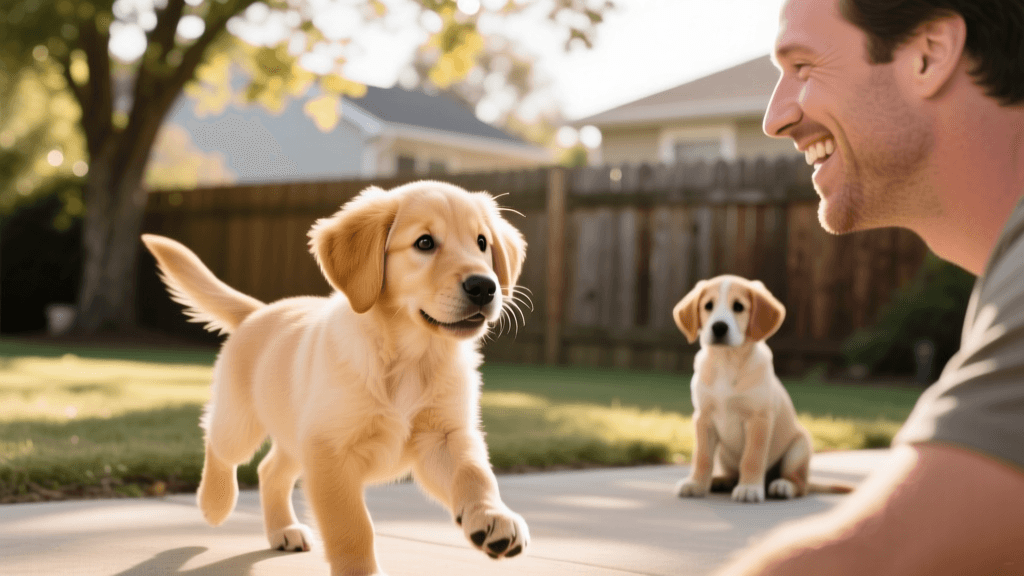
Raising a puppy is often romanticized as a series of cuddles and playful pounces, but from a behavioral science perspective, the first year of a dog's life is a critical, highly structured window of neurological development. At Paws-Tales, we believe that understanding the 'why' behind puppy behavior is just as important as the 'how.' When we look at puppy socialization and fear periods through the lens of canine cognitive science, we move away from outdated dominance theories and embrace evidence-based methods that foster lifelong emotional resilience. This guide dives deep into the neurobiology of your puppy's developing brain, the precise timing of fear periods, and actionable, science-backed protocols to ensure your puppy matures into a confident, well-adjusted adult dog.
The Neurobiology of Puppy Socialization
To understand why early socialization is paramount, we must examine the developing canine brain. During the first few months of life, a puppy's brain exhibits extreme neuroplasticity. Synaptic connections are formed rapidly based on environmental stimuli. This process is governed by two primary learning mechanisms: habituation and sensitization.
Habituation is the neurological process where an animal learns to ignore a repeated, harmless stimulus. For example, a puppy living in a busy city will eventually habituate to the sound of sirens and traffic. Sensitization, conversely, is an amplified response to a stimulus, often rooted in fear or trauma. If a puppy has a terrifying encounter with a loud machinery noise during a critical developmental window, the amygdala—the brain's fear-processing center—may permanently encode that stimulus as a life-threatening danger.
According to the VCA Hospitals, the primary socialization window closes between 12 and 14 weeks of age. After this period, the brain's natural response to novel stimuli shifts from curiosity to caution. This evolutionary trait kept wild canids safe from predators as they ventured away from the den, but in a modern domestic environment, it can lead to severe anxiety and reactivity if the puppy hasn't been properly exposed to everyday sights, sounds, and surfaces.
Decoding the Canine Fear Periods
Fear periods are specific developmental windows where a puppy's brain is highly susceptible to forming long-lasting negative associations. Recognizing these periods allows owners to adjust their training and exposure protocols to prevent psychological scarring.
The First Fear Period (8 to 11 Weeks)
This period often coincides with the time a puppy is brought to their new home. Evolutionarily, this is the age when a wild pup would begin exploring outside the immediate den area, making it vital to quickly learn what is dangerous. During these weeks, a single traumatic event—such as a painful veterinary procedure, being chased by an unfamiliar dog, or being forced into a terrifying grooming situation—can create a lifelong phobia.
Actionable Advice: Practice classical conditioning during all novel or potentially scary events. If your puppy must visit the vet for their first round of DHPP vaccines, bring high-value, novel treats like freeze-dried beef liver or boiled chicken breast. Feed them continuously while in the waiting room and examination area to build a positive emotional response (CER) to the clinic environment. Never allow strangers to force physical contact on your puppy during this window; let the puppy initiate the approach.
The Second Fear Period (6 to 14 Months)
The second fear period is less predictable and typically aligns with sexual maturity and significant brain restructuring, particularly in the frontal cortex. Owners often report that their previously confident puppy suddenly becomes terrified of mundane objects, like a garbage can or a hat. This period can last anywhere from a few weeks to a few months.
Actionable Advice: Utilize Desensitization and Counter-Conditioning (DS/CC). If your puppy suddenly fears the neighborhood trash truck, do not force them to walk past it. Instead, find their 'threshold distance'—the distance at which they notice the truck but remain under their stress threshold (e.g., 50 feet away). From this safe distance, feed high-value treats. Gradually decrease the distance over multiple sessions as the puppy displays relaxed body language.
Science-Backed Socialization Timeline
Effective socialization is not about forcing a puppy to interact with everything; it is about providing controlled, positive exposure to a wide variety of environmental stimuli. The American Kennel Club (AKC) emphasizes that socialization is primarily about observation and positive association, not necessarily direct physical contact.
| Age Range | Developmental Stage | Primary Focus | Science-Backed Activity |
|---|---|---|---|
| 3 to 8 Weeks | Primary Socialization | Littermate interaction, tactile habituation | Introduce varied textures in the whelping box (e.g., bubble wrap, astroturf, wooden grates) to stimulate neurological pathways. |
| 8 to 12 Weeks | First Fear Period | Environmental mapping, human bonding | Carry the pup in a sanitized sling through busy areas. Pair novel sounds (sirens, machinery) with high-value food rewards. |
| 3 to 4 Months | Flight Instinct / Independence | Recall building, boundary testing | Play 'hide and seek' indoors to reinforce the recall cue. Use a 15-foot long line in safe, enclosed outdoor areas to allow exploration while maintaining control. |
| 4 to 6 Months | Teething & Pre-Adolescence | Bite inhibition, impulse control | Provide appropriate chew outlets (e.g., frozen Kong toys stuffed with goat milk). Implement 'Nothing in Life is Free' protocols to teach emotional regulation. |
Navigating the Vaccine Gap vs. Behavioral Risk
For decades, veterinarians advised keeping puppies isolated until they completed their full vaccine series (usually around 16 weeks). However, modern behavioral science has proven this advice to be detrimental. The American Veterinary Society of Animal Behavior (AVSAB) released a landmark position stating that the risk of a puppy developing behavioral issues—which is the leading cause of euthanasia in dogs under three years old—far outweighs the risk of contracting an infectious disease like parvovirus, provided that socialization is done safely.
To bridge the 'vaccine gap' safely, avoid high-risk areas like public dog parks, pet store floors, and rest stops. Instead, socialize your puppy in controlled environments: carry them through hardware stores, invite fully vaccinated, healthy adult dogs to your sanitized home, and enroll in puppy kindergarten classes that require at least one set of vaccines and maintain strict hygiene protocols.
Practical Metrics for Measuring Stress and Success
Science-backed training requires objective observation. You must learn to read your puppy's 'stress ladder' to ensure you are not inadvertently pushing them into sensitization. Early signs of stress (calming signals) include:
- Lip Licking and Yawning: Often mistaken for tiredness, these are primary indicators of cognitive dissonance or mild stress.
- Whale Eye: Showing the whites of the eyes while turning the head away from a stimulus.
- Shaking Off: A full-body shake when not wet is a physiological reset mechanism used to discharge adrenaline after a stressful encounter.
- Sniffing the Ground: Displacement behavior used to avoid direct eye contact with a perceived threat.
If you observe these signals, you have crossed the puppy's threshold. Immediately increase the distance from the stimulus by at least 10 to 20 feet, lower your voice, and scatter high-value treats on the ground to encourage natural foraging behaviors, which activate the parasympathetic nervous system and lower the heart rate.
When introducing your puppy to new people, implement the 3-Second Rule. Allow the person to gently pet the puppy for exactly three seconds, then pause and observe the puppy's reaction. If the puppy leans in, nudges the hand, or maintains a relaxed, wiggly posture, they are consenting to further interaction. If the puppy freezes, turns away, or licks their lips, respect their boundary and redirect them with a treat. This teaches the puppy that they have agency over their own bodies, a crucial component of behavioral confidence.
Conclusion
Raising a well-adjusted dog is not a matter of luck; it is the result of intentional, science-backed environmental management. By respecting the neurobiology of the developing canine brain, honoring the sensitivity of fear periods, and utilizing classical conditioning to build positive emotional responses, you lay a neurological foundation of confidence. Remember, socialization is a marathon of positive associations, not a sprint of forced interactions. Stay observant, keep your treat pouch full, and let your puppy's brain build the resilient pathways needed for a happy, lifelong partnership.
Furthermore, keeping a detailed socialization journal can help you track your puppy's progress and identify potential triggers before they escalate into full-blown phobias. Note the date, the stimulus, the puppy's distance from it, and their behavioral response. This empirical approach transforms the overwhelming task of puppy rearing into a manageable, data-driven project. By combining the art of canine companionship with the rigor of behavioral science, you are giving your puppy the ultimate gift: a mind equipped to handle the complexities of the human world with grace and stability.
marcus-aldridge
All our authors care for dogs every day — read more of their work on the authors page.