Sniffari Walks: The Viral Trend Boosting Dog Mental Health
Discover the viral Sniffari walk trend. Learn how decompression walks and mental enrichment reduce canine anxiety and boost your dog's overall wellbeing.
The Viral "Sniffari": What Is a Decompression Walk?
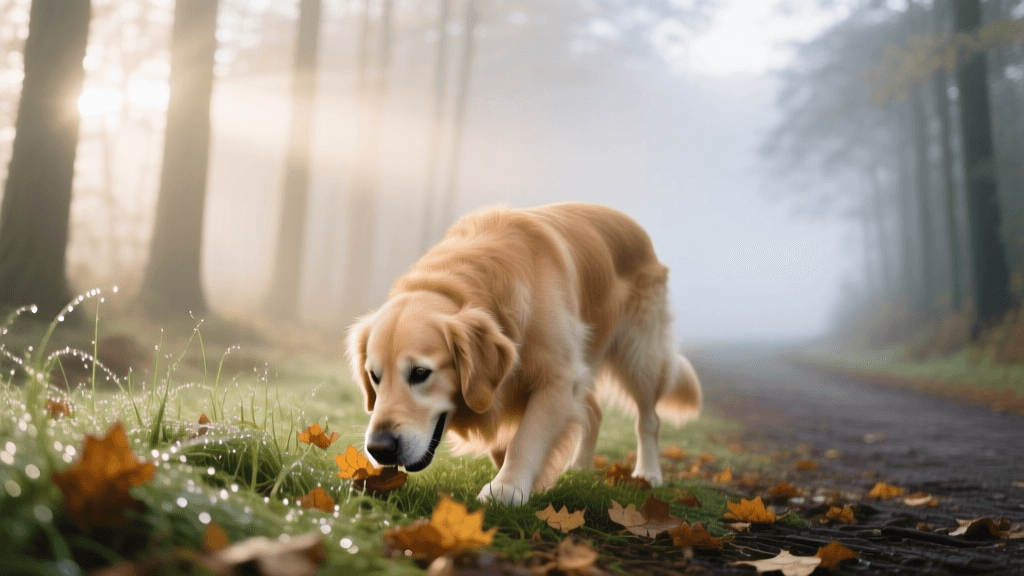
If you spend any time on canine Instagram or DogTok, you have likely encountered the viral term "Sniffari." Far from just a cute hashtag, the Sniffari—also known as a decompression walk—represents a massive paradigm shift in how veterinary behaviorists and dog trainers approach canine mental health and exercise. Traditionally, dog walking has been viewed as a purely physical endeavor: a brisk, heel-focused march around the block designed to burn off energy and satisfy bathroom needs. However, the Sniffari flips this script entirely, prioritizing mental enrichment, olfactory exploration, and canine autonomy over physical exertion and obedience.
A decompression walk is an unstructured, low-stress outing where the dog is given the time and freedom to explore their environment primarily through their nose. Instead of pulling the dog away from an interesting fire hydrant to maintain a brisk pace, the handler allows the dog to linger, sniff, and process the complex chemical messages left by other animals. According to Sniffspot's veterinary-reviewed enrichment guides, this shift from physical to mental exercise is profoundly beneficial for dogs suffering from anxiety, hyperactivity, or leash reactivity.
The Science Behind the Sniff: Olfaction and the Canine Brain
To understand why Sniffaris are so effective for canine mental health, we must look at canine anatomy. A dog's olfactory bulb—the part of the brain dedicated to analyzing odors—is proportionally 40 times larger than a human's. Furthermore, dogs possess up to 300 million olfactory receptors in their nasal cavity, compared to our mere six million. When a dog sniffs, they are not just smelling; they are reading a complex, invisible newspaper that tells them who has been in the area, what they ate, their stress levels, and even their reproductive status.
Processing this vast amount of sensory data requires immense cognitive effort. The American Kennel Club (AKC) notes that mental stimulation through scent work and environmental enrichment tires a dog out much faster than physical exercise alone. In fact, canine behaviorists widely agree that 20 minutes of intense, uninterrupted sniffing can provide the same level of fatigue and satisfaction as a one-hour brisk walk. This mental fatigue leads to a calmer, more relaxed dog at home, reducing destructive behaviors born from boredom and under-stimulation.
Traditional Walk vs. Decompression Sniffari
Understanding the differences between a traditional neighborhood walk and a Sniffari can help you incorporate both into your dog's weekly routine for optimal physical and mental health.
| Feature | Traditional Heel Walk | Decompression Sniffari |
|---|---|---|
| Primary Goal | Physical exercise, obedience, bathroom break | Mental enrichment, stress reduction, autonomy |
| Pace | Brisk, steady, human-led | Slow, meandering, dog-led |
| Leash Length | Standard 4 to 6-foot leash | 15 to 30-foot long line |
| Sniffing Time | Limited; dog is often pulled away | Unlimited; dog decides when to move on |
| Mental Fatigue | Low to Moderate | Extremely High |
| Ideal Environment | Sidewalks, urban streets, parks | Quiet trails, fields, private yards, nature reserves |
Essential Gear for a Successful Sniffari (With Costs & Brands)
To facilitate a true decompression walk, you need to provide your dog with the physical freedom to explore safely. Here is the exact gear setup recommended by force-free trainers, including estimated costs and specific product recommendations:
- 15-Foot to 30-Foot Biothane Long Line ($25 - $45): Biothane is a waterproof, dirt-proof material that is easy to clean and doesn't tangle like nylon. Brands like Mendota Pets or Signature K9 offer excellent, durable long lines that allow your dog to wander safely without the hazards of retractable leashes (which can cause severe rope burn and have fragile locking mechanisms).
- Y-Front Harness ($30 - $85): A harness with a Y-shaped front is crucial to ensure your dog's shoulder joints are not restricted while they explore. The Rabbitgoo No-Pull Harness ($30) is a great budget option, while the Ruffwear Front Range ($40) or Perfect Fit Harness ($85) offer premium, ergonomic support.
- Hands-Free Leash Belt or Treat Pouch ($15 - $30): Because you will be standing still for long periods, a hands-free waist belt (like the Kurgo Quantum) or a high-capacity treat pouch (like the Doggie Treat Training Pouch) keeps your hands free to manage the long line and dispense rewards.
- High-Value Foraging Treats ($10 - $20): Bring freeze-dried liver, beef lung, or small training treats to scatter in the grass, encouraging natural foraging behaviors.
Step-by-Step Guide to Your First Sniffari
Transitioning from a structured walk to a Sniffari can feel unnatural for handlers used to strict obedience. Follow these steps to ensure a successful outing:
1. Choose the Right Location: Avoid busy urban sidewalks. Look for quiet nature trails, empty fields, or use apps like Sniffspot to rent private, fenced-in acres of land specifically designed for canine enrichment. The Humane Society of the United States emphasizes that changing your walking route regularly prevents habituation and keeps your dog's brain actively engaged.
2. Use a Release Cue: When you arrive at the location, put your dog on the long line and use a specific release cue like "Go Sniff" or "Free." This verbal signal tells the dog that the rules of heel-walking are suspended and it is time to explore.
3. Follow the Dog's Lead: Let your dog choose the direction and the pace. If they want to spend five minutes analyzing a single patch of weeds, let them. Your only job is to manage the long line to prevent tangling and ensure they don't wander into unsafe areas.
4. Incorporate Scatter Feeding: To amplify the mental stimulation, take a handful of your dog's daily kibble allowance or freeze-dried treats and scatter them in the grass. This engages their natural scavenging instincts and lowers their heart rate through rhythmic foraging.
5. Keep it to 20-30 Minutes: Because sniffing is so cognitively demanding, a Sniffari does not need to be long. A focused 20-minute session is usually enough to leave your dog happily exhausted and ready for a nap.
How Sniffaris Help Leash-Reactive and Anxious Dogs
The Sniffari trend has become a cornerstone in the rehabilitation of leash-reactive and anxious dogs. When a dog is reactive (barking, lunging at other dogs or humans), their nervous system is often stuck in a state of chronic hyper-arousal. Forced to walk closely past triggers on a short leash, their cortisol levels spike and remain elevated.
Decompression walks naturally lower cortisol. By allowing the dog to engage in sniffing—a behavior that is inherently incompatible with high-stress vigilance—the parasympathetic nervous system is activated. Sniffing requires the dog to lower their head, which physically signals to the brain that they are safe and foraging, rather than in danger. Furthermore, by utilizing a 30-foot long line in a quiet environment, reactive dogs are kept well under their "threshold" (the distance at which they react to a trigger), allowing them to build positive associations with the outdoors without the pressure of close encounters. Over time, regular Sniffaris can drastically reduce a dog's baseline anxiety, making traditional training and socialization much more effective.
Conclusion
The viral Sniffari trend is much more than a fleeting social media fad; it is a science-backed, highly effective approach to canine mental health and wellbeing. By trading the rigid, fast-paced neighborhood march for a slow, dog-led exploration of the world, you are honoring your dog's natural biology. Equipped with a biothane long line, a comfortable Y-front harness, and a willingness to slow down, you can transform your dog's daily walk into a profound mental workout. Remember, a tired dog is a good dog, but a mentally fulfilled dog is a truly happy one.
priya-sutaria
All our authors care for dogs every day — read more of their work on the authors page.