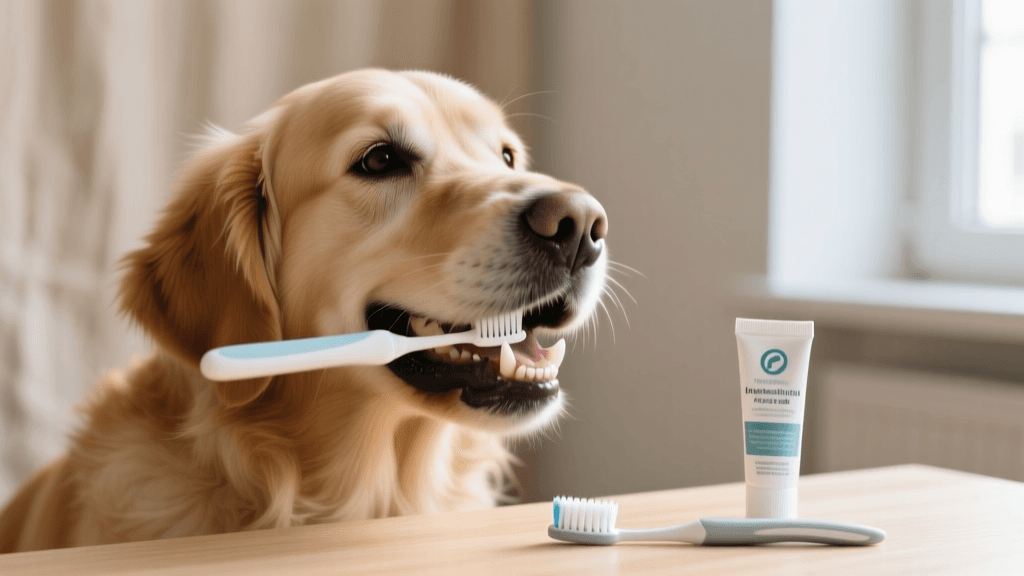
How To Brush Your Dog's Teeth: A Step-By-Step Guide
Learn how to brush your dog's teeth with our step-by-step training guide. Prevent dental disease and keep your pup's smile healthy and bright.
The Hidden Epidemic of Canine Periodontal Disease
When it comes to canine health and wellbeing, dental hygiene is often the most overlooked aspect of preventive care. According to the American Veterinary Medical Association (AVMA), periodontal disease is the most common clinical condition occurring in adult dogs and cats. By the age of three, most dogs have some evidence of periodontal disease. Left untreated, this condition leads to painful tooth loss, systemic infections that can damage the heart and kidneys, and a significantly reduced quality of life. Professional veterinary dental cleanings under anesthesia can cost anywhere from $500 to $1,500. Fortunately, establishing a daily brushing routine at home is the most effective, cost-efficient way to protect your dog's oral health. However, you cannot simply force a toothbrush into your dog's mouth. Doing so will result in fear, aggression, and a breakdown of trust. Instead, you must use a step-by-step desensitization and counter-conditioning training protocol. This guide will walk you through a proven 14-day training method to teach your dog to accept—and even enjoy—having their teeth brushed.
Gathering Your Dental Training Supplies
Before beginning your training, you must select the right tools. Never use human toothpaste, as ingredients like xylitol and fluoride are highly toxic to dogs. You need a veterinary-formulated enzymatic toothpaste, which is designed to be swallowed and contains enzymes that continue breaking down plaque even after brushing. Popular, highly recommended options include Virbac C.E.T. Enzymatic Dog Toothpaste and Petrodex, typically costing between $7 and $12. These come in dog-friendly flavors like poultry, beef, and peanut butter. Next, you need the right brush. Here is a comparison chart to help you choose the best tool for your dog's specific needs:
| Brush Type | Best For | Pros | Cons | Avg Cost |
|---|---|---|---|---|
| Finger Brush | Puppies, beginners, small breeds | Great tactile feedback, dog accepts finger easily | Hard to reach back molars, risk of being bitten | $3 - $6 |
| Dual-Head Brush | Medium to large breeds, adult dogs | Cleans both sides of teeth simultaneously, long handle | Can be bulky for small mouths, requires practice | $5 - $9 |
| Electric Dog Brush | Dogs used to vibration, heavy tartar | Superior plaque removal, built-in timers | Noise and vibration can terrify dogs, expensive | $15 - $30 |
For this step-by-step guide, we recommend starting with a soft-bristled finger brush or a dual-head brush with an angled handle, alongside high-value training treats like freeze-dried liver or Zuke's Mini Naturals (approx. $6 per bag).
The 14-Day Desensitization and Training Protocol
The secret to successful dog teeth brushing is patience. We will use classical counter-conditioning to change your dog's emotional response to the toothbrush from fear to anticipation of a reward. Keep training sessions short—no more than 3 to 5 minutes per day—and always end on a positive note.
Phase 1: Taste and Trust (Days 1-3)
Your first goal is to make the toothpaste a highly anticipated treat. Squeeze a pea-sized amount of the enzymatic toothpaste onto your index finger. Allow your dog to lick it off freely. Do not attempt to touch their teeth or gums yet. As they lick, offer verbal praise in a calm, happy tone. If your dog is hesitant, try mixing a tiny dab of the toothpaste with a high-value reward like Kong Easy Treat peanut butter. Repeat this step twice a day for three days. By the end of Phase 1, your dog should visibly wag their tail or show excitement when they see the toothpaste tube.
Phase 2: Tactile Desensitization (Days 4-7)
Now, we introduce the sensation of touching the mouth. Put a small amount of toothpaste on your finger. Gently lift your dog's upper lip (the flews) on one side and let them lick the paste off your finger as you lightly glide your bare finger along their outer canine teeth. Do not force their mouth open; we are only focusing on the outer surfaces of the teeth, as the dog's tongue naturally cleans the inner surfaces. If your dog pulls away, stop immediately, reset, and try again with less pressure. Reward heavily with a training treat after 10 seconds of tolerance. Gradually increase the time you spend rubbing the gums over these four days.
Phase 3: Tool Introduction (Days 8-10)
It is time to introduce the toothbrush. Let your dog sniff the brush while it is dry, rewarding them for any calm interaction. Next, apply the toothpaste to the bristles and let your dog lick it off the brush as if it were a chew toy. This teaches them that the brush is a vessel for delicious flavors, not a scary medical instrument. On Day 10, gently touch the bristles to their front canine teeth while they lick the paste. Do not make brushing motions yet; simply hold the brush against the teeth and reward.
Phase 4: The First Brush (Days 11-14)
You are now ready to make actual brushing motions. Apply a pea-sized amount of paste to your dual-head or finger brush. Lift the lip to expose the outer teeth. Hold the brush at a 45-degree angle to the gum line—this is crucial for cleaning the sulcus where plaque hides. Using gentle, small circular motions, brush the outer surfaces of the upper canines and premolars. Focus on the gum line. Start with just 5 to 10 seconds of brushing per side, followed by a jackpot reward (3-4 small treats). Over the next few days, gradually work your way toward the back molars and the small incisors at the front of the mouth, building up to a total brushing time of 30 to 60 seconds.
Proper Brushing Technique and Angles
According to VCA Animal Hospitals, the most critical area to clean is the outside (cheek-facing) surface of the upper teeth, particularly the large upper carnassial teeth (the fourth premolars). Plaque accumulates heavily here due to the shape of the mouth and the flow of saliva. Always use a gentle, circular motion. Scrubbing back and forth aggressively can damage the gums and cause your dog to associate the process with pain. Remember, you do not need to pry your dog's jaw open to brush the inside of their teeth. The abrasive action of their tongue and the natural shape of their teeth keep the lingual (inner) surfaces relatively free of heavy tartar buildup.
Troubleshooting Common Behavioral Roadblocks
Even with a careful step-by-step approach, you may encounter resistance. Here is how to handle common issues:
- The Dog Bites the Brush: This is usually a sign of over-arousal or a misunderstanding that the brush is a toy. Switch to a less flavorful toothpaste, or use a finger brush to maintain better control. If they bite down hard, calmly say "oops," withdraw your hand, and pause the session for 30 seconds.
- The Dog Runs Away: If your dog flees when they see the supplies, you have moved too fast. Return to Phase 1. Leave the toothpaste tube on the counter near their food bowl for a few days so they associate the visual cue with positive daily routines.
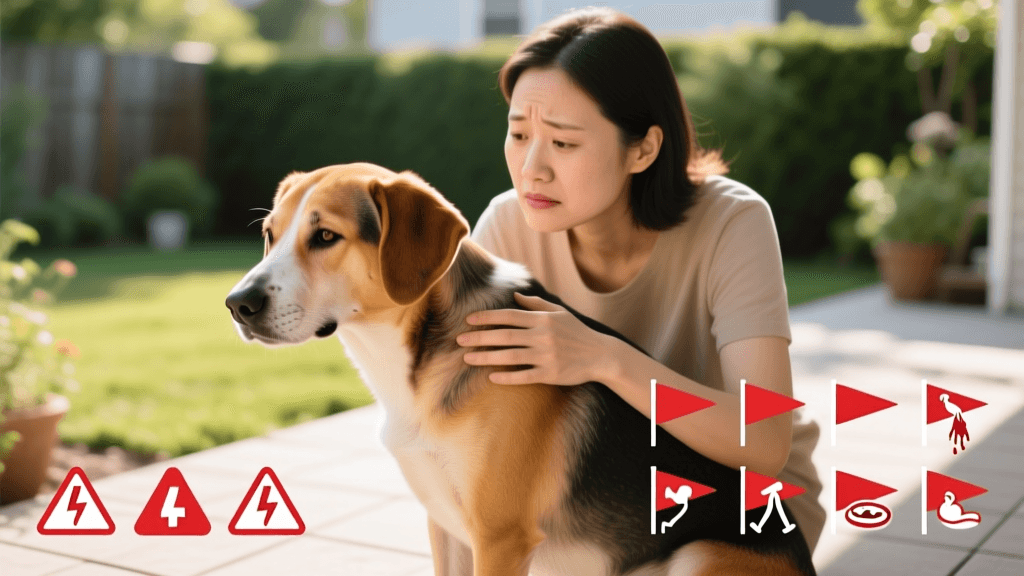
- Sensitivity or Bleeding: If you notice red, swollen, or bleeding gums, stop brushing immediately. This indicates advanced gingivitis or periodontal disease. Brushing inflamed gums is painful and will ruin your training progress. Schedule a veterinary exam, as your dog likely requires a professional cleaning before you can safely resume home care.
Supplemental Dental Care Strategies
While daily brushing is the gold standard of preventive care, it is not the only tool in your arsenal. The American Kennel Club (AKC) recommends combining brushing with other veterinary-approved dental products for maximum efficacy. Look for products that carry the Veterinary Oral Health Council (VOHC) seal of acceptance. These include:
- Dental Chews: Products like Purina Pro Plan Veterinary Dental Chewz or Greenies use mechanical abrasion to scrape plaque off the teeth as the dog chews. They should be given daily and sized appropriately to prevent choking hazards.
- Water Additives: Tasteless, odorless liquids like TropiClean Fresh Breath Water Additive can be mixed into your dog's daily drinking water to help alter the pH of their mouth and reduce plaque formation.
- Dental Diets: Prescription kibble formulations (such as Hill's Prescription Diet t/d) feature a specialized matrix that doesn't shatter upon impact but instead engulfs the tooth, scrubbing it clean before breaking apart.
Conclusion
Training your dog to accept teeth brushing is a profound investment in their long-term health and wellbeing. By utilizing this step-by-step desensitization protocol, selecting the right enzymatic products, and maintaining a patient, reward-based approach, you can transform a dreaded chore into a bonding experience. Consistency is key; aim to brush your dog's teeth daily, or at absolute minimum, three to four times a week to disrupt the plaque-to-tartar cycle. Your dog's future self—and your wallet—will thank you for the effort you put into their dental health today.
anouk-beaumont
All our authors care for dogs every day — read more of their work on the authors page.