Omega-3 for Dogs: EPA vs DHA Benefits and Dosage Guide
Discover the differences between EPA and DHA for dogs. Learn exact dosages, benefits for joints and cognition, and how to choose the right omega-3 supplement.
The Science of Omega-3s in Canine Nutrition
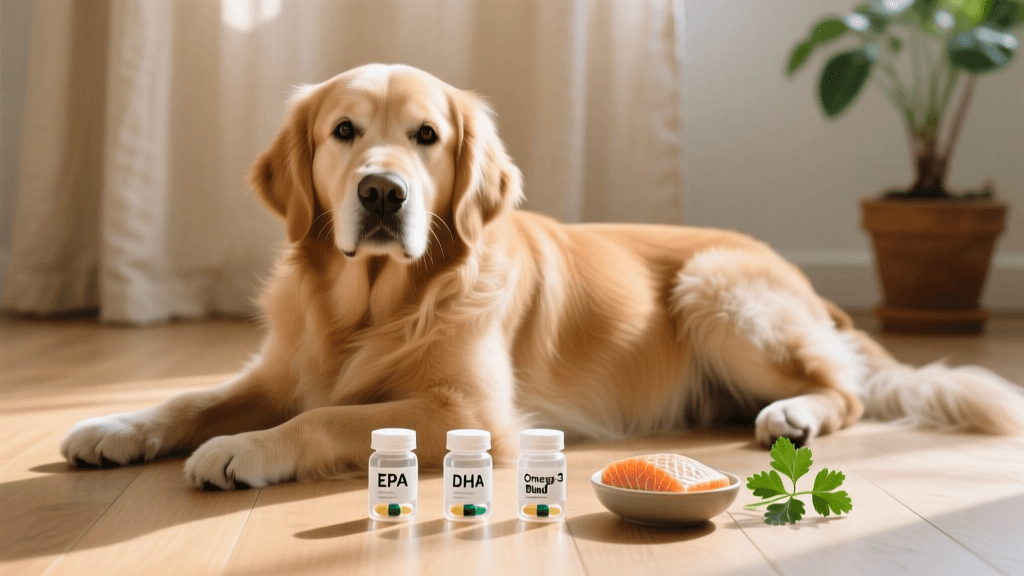
In the realm of canine health and nutrition, few supplements have garnered as much scientific backing and veterinary endorsement as Omega-3 fatty acids. These essential fats play a foundational role in cellular health, inflammatory regulation, and neurological function. However, the term 'Omega-3' is an umbrella that covers several distinct molecules, and not all of them are biologically useful to your dog. Understanding the deep biochemical differences between these fatty acids is the first step toward optimizing your dog's health span, mobility, and cognitive sharpness.
There are three primary types of Omega-3 fatty acids found in nature: Alpha-linolenic acid (ALA), Eicosapentaenoic acid (EPA), and Docosahexaenoic acid (DHA). ALA is primarily found in plant sources like flaxseed, chia seeds, and hemp. While humans can convert a small amount of ALA into EPA and DHA, dogs lack the efficient enzymatic pathways (specifically the delta-6-desaturase enzyme) required to make this conversion. Studies show that the conversion rate of ALA to EPA and DHA in canines is less than 10%. Therefore, relying on plant-based Omega-3s is largely ineffective for dogs. To achieve therapeutic and nutritional benefits, dogs require direct, marine-based sources of EPA and DHA, such as fish oil, krill oil, or algal oil.
EPA vs. DHA: What Does Each Do for Your Dog?
While EPA and DHA are often grouped together on supplement labels, they serve distinctly different primary functions in the canine body. Tailoring your dog's supplementation to their specific life stage or health condition requires knowing which fatty acid takes precedence.
Eicosapentaenoic Acid (EPA): The Inflammation Modulator
EPA is the primary Omega-3 responsible for modulating the body's inflammatory response. When a dog experiences joint degradation, allergic skin reactions, or systemic inflammation, cellular membranes release arachidonic acid, which triggers the production of pro-inflammatory eicosanoids. EPA competes with arachidonic acid for the same enzymatic pathways (COX and LOX enzymes), effectively 'blocking' the creation of these inflammatory mediators. Because of this mechanism, EPA is the gold standard for managing canine osteoarthritis, hip dysplasia, and atopic dermatitis. According to clinical studies indexed by the National Center for Biotechnology Information (NCBI), high-EPA diets significantly reduce the need for NSAIDs (non-steroidal anti-inflammatory drugs) in dogs with chronic joint pain.
Docosahexaenoic Acid (DHA): The Brain and Eye Architect
DHA is a structural component of the central nervous system and the retina. It makes up a significant portion of the cerebral cortex and is vital for neuroplasticity and cellular signaling in the brain. For puppies, DHA is absolutely critical during the gestational and weaning phases to ensure proper visual acuity and cognitive development. In senior dogs, DHA is increasingly utilized to combat Canine Cognitive Dysfunction (CCD), a condition similar to Alzheimer's disease in humans. By maintaining the fluidity of neuronal membranes, DHA helps preserve memory, learning capabilities, and spatial awareness in aging dogs.
Comparison Chart: EPA vs. DHA Benefits
| Feature | EPA (Eicosapentaenoic Acid) | DHA (Docosahexaenoic Acid) |
|---|---|---|
| Primary Function | Inflammation regulation & joint health | Brain structure & retinal development |
| Best For | Senior dogs, arthritic dogs, allergy sufferers | Puppies, pregnant/nursing dams, aging brains |
| Target Tissues | Joints, skin, cardiovascular system | Brain, spinal cord, eyes |
| Mechanism | Competes with inflammatory enzymes (COX/LOX) | Incorporates into cell membrane phospholipids |
| Ideal Ratio Focus | Higher EPA for therapeutic joint support | Higher DHA for puppy development & cognition |
How to Calculate the Right Omega-3 Dosage for Your Dog
One of the most common mistakes dog owners make is under-dosing Omega-3s or confusing 'total fish oil' with 'total EPA/DHA'. A 1000mg fish oil capsule does not contain 1000mg of Omega-3s; it may only contain 300mg of combined EPA and DHA, with the rest being filler fats. You must read the nutritional panel and calculate based solely on the combined EPA and DHA numbers.
Veterinary nutritionists generally recommend the following therapeutic dosages based on combined EPA/DHA content:
- General Health & Coat Maintenance: 300 mg combined EPA/DHA per 10 lbs (4.5 kg) of body weight.
- Therapeutic Joint Support (Osteoarthritis): 750 mg to 1,000 mg combined EPA/DHA per 10 lbs of body weight.
- Severe Allergies / Kidney Disease Support: Up to 1,200 mg combined EPA/DHA per 10 lbs of body weight (under veterinary supervision).
Real-World Example: Let's calculate for a 60 lb (27 kg) Labrador Retriever with early-stage hip dysplasia. Using the therapeutic joint dose of 1,000 mg per 10 lbs, this dog requires 6,000 mg (6 grams) of combined EPA/DHA daily. If your chosen liquid fish oil provides 750 mg of combined EPA/DHA per pump, you would need to administer 8 full pumps daily. Veterinary experts at the Tufts Cummings School of Veterinary Medicine emphasize that reaching these therapeutic thresholds is vital; sub-therapeutic doses will not yield clinical improvements in joint mobility.
Timing and Administration: Omega-3s are fat-soluble. To maximize absorption, always administer fish oil alongside your dog's main meal, particularly if the meal contains dietary fats. Giving it on an empty stomach drastically reduces bioavailability and increases the likelihood of gastrointestinal upset or 'fishy burps'.
Choosing the Right Supplement: Forms, Sources, and Costs
The market is flooded with canine Omega-3 supplements, but they are not created equal. The chemical form of the oil and its source dictate its efficacy, stability, and cost.
Triglyceride (TG) vs. Ethyl Ester (EE) Forms
Naturally occurring Omega-3s in fish are in the Triglyceride (TG) form. During commercial processing, some manufacturers convert them to Ethyl Ester (EE) to concentrate the oil, but the EE form is significantly harder for canine digestive enzymes to break down. Studies show that the natural TG form is absorbed up to 70% more efficiently than the EE form. Always look for brands that explicitly state 'Triglyceride Form' on the label, such as Nordic Naturals Omega-3 Pet or Grizzly Salmon Plus.
Fish Oil vs. Krill Oil vs. Algal Oil
- Wild-Caught Fish Oil (Salmon, Sardine, Anchovy): The most cost-effective and potent source. Small, cold-water fish (sardines, anchovies) are preferred over large fish due to lower bioaccumulation of heavy metals like mercury. A 16oz bottle of high-quality liquid salmon oil typically costs between $25 and $40, providing a 2-to-3 month supply for a medium-sized dog.
- Krill Oil: Contains the powerful antioxidant astaxanthin, which gives it a red color and naturally protects the oil from oxidation. Krill oil is bound to phospholipids, which some studies suggest cross the blood-brain barrier more easily. However, it is vastly more expensive and contains lower total concentrations of EPA/DHA per milliliter compared to concentrated fish oils.
- Algal Oil: A vegan alternative derived from marine algae. It is an excellent, sustainable source of DHA, making it ideal for puppy brain development, but it often lacks the high EPA concentrations required for severe joint inflammation.
Safety, Side Effects, and Storage Protocols
While Omega-3s are overwhelmingly safe, they are biologically active compounds that require careful handling and monitoring. The American Kennel Club notes that improper storage and excessive dosing are the primary culprits behind adverse reactions.
The Danger of Lipid Peroxidation (Rancidity)
Polyunsaturated fats like EPA and DHA are highly unstable and prone to oxidation when exposed to light, heat, and oxygen. Oxidized (rancid) fish oil is not just ineffective; it is actively harmful, introducing free radicals into your dog's body that cause cellular damage and exacerbate inflammation. Rule of thumb: Always buy liquid fish oils in opaque, dark-colored bottles. Once opened, store the bottle in the refrigerator and use it within 90 days. If the oil smells sharply rotten or excessively 'fishy' (fresh fish oil should have a mild, oceanic scent), discard it immediately.
Vitamin E Depletion
The metabolism of high doses of polyunsaturated fats increases the body's demand for Vitamin E (tocopherols), a vital antioxidant that prevents lipid peroxidation within the tissues. If you are feeding a high-dose therapeutic Omega-3 regimen, ensure your dog's base diet is fortified with adequate Vitamin E, or consult your vet about adding a canine-specific Vitamin E supplement to prevent a secondary deficiency.
Caloric Density and Weight Management
Fats contain 9 calories per gram, more than double the caloric density of proteins or carbohydrates. A 60 lb dog receiving 6,000 mg of fish oil is consuming an extra 54 calories a day. While this seems minor, for a dog on a strict weight-loss plan for osteoarthritis management, these liquid calories must be subtracted from their daily kibble or wet food allowance to prevent obesity, which would ultimately worsen their joint pain.
Bleeding Risks
Because EPA naturally thins the blood by reducing platelet aggregation, extremely high doses can prolong bleeding times. If your dog is scheduled for surgery, dental work, or is currently taking prescription blood thinners, you must taper off and discontinue the Omega-3 supplement at least two weeks prior to the procedure.
Final Thoughts on Canine Omega-3 Supplementation
Incorporating EPA and DHA into your dog's daily regimen is one of the most evidence-based, proactive steps you can take for their long-term health. Whether you are aiming to support a puppy's developing brain with DHA or soothe an arthritic senior's joints with high-dose EPA, precision is key. By calculating the exact milligram dosage based on combined EPA/DHA content, selecting bioavailable triglyceride forms, and practicing strict cold-storage protocols, you can harness the full therapeutic power of marine lipids. Always partner with your primary veterinarian to tailor these nutritional deep dives to your dog's unique metabolic and medical profile.
anouk-beaumont
All our authors care for dogs every day — read more of their work on the authors page.