DIY Dog Bone Broth for Joints: Homemade Recipes & Tips
Learn how to make DIY dog bone broth for joint support. Discover easy homemade recipes, natural add-ins, and cost comparisons for canine wellness.
As our canine companions age, maintaining their mobility and comfort becomes a top priority for dedicated pet owners. Joint issues, particularly osteoarthritis, are incredibly common in dogs, affecting up to 80% of senior canines and a significant portion of large and giant breeds. While veterinary interventions and prescription medications play a vital role in managing joint pain, holistic and dietary approaches can provide remarkable supplementary support. One of the most powerful, cost-effective, and nourishing DIY solutions you can create at home is dog bone broth.
Unlike the sodium-laden, onion-seasoned broths found in human grocery stores, a properly prepared DIY dog bone broth is a nutritional powerhouse. It is packed with naturally occurring collagen, glucosamine, chondroitin, and essential amino acids that directly support cartilage repair and joint lubrication. In this comprehensive guide, we will explore the science behind bone broth for canine joints, provide a foolproof homemade recipe, and share expert tips on supercharging your broth with natural anti-inflammatory add-ins.
The Science of Canine Joint Degradation and Bone Broth
To understand why bone broth is so beneficial, we must first look at how canine joints function and degrade. According to VCA Hospitals, osteoarthritis in dogs is a progressive, degenerative disease that affects the synovial joints, leading to the breakdown of articular cartilage. As the cartilage thins, bones rub together, causing inflammation, pain, and reduced mobility.
Homemade bone broth acts as a natural, whole-food joint supplement. When you simmer raw, cartilage-rich bones for an extended period, the heat and moisture break down the connective tissues, releasing vital compounds into the liquid:
- Collagen and Gelatin: These proteins are the building blocks of cartilage. Gelatin also soothes and heals the mucosal lining of the digestive tract, improving overall nutrient absorption.
- Glucosamine and Chondroitin Sulfate: Naturally occurring glycosaminoglycans (GAGs) found in the joints and cartilage of the bones. These are the exact same compounds synthesized and sold in expensive commercial joint supplements.
- Hyaluronic Acid: A key component of synovial fluid, which acts as the lubricant and shock absorber within the joint capsule.
- Amino Acids (Glycine and Proline): Glycine aids in liver detoxification and reduces inflammation, while proline is essential for collagen synthesis and tissue repair.
The Ultimate DIY Slow Cooker Bone Broth Recipe
Making bone broth at home requires minimal active effort but demands patience to ensure all the beneficial nutrients are fully extracted. A slow cooker is the safest and most convenient tool for this process.
Ingredients
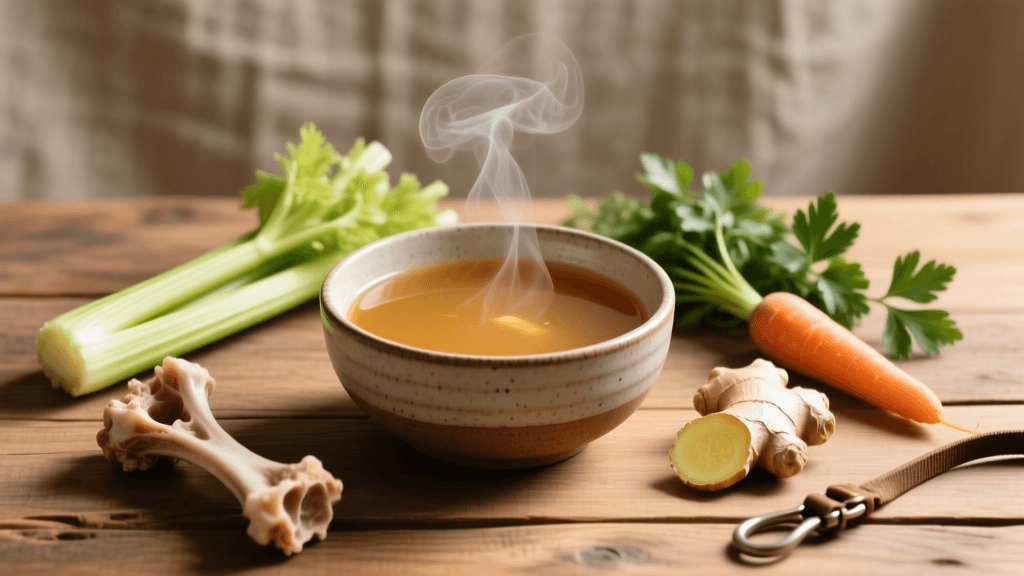
- 3 lbs raw beef knucklebones, marrow bones, or raw chicken/turkey necks and feet (rich in cartilage)
- 2 tablespoons raw, unfiltered apple cider vinegar (with the 'mother')
- 2 medium carrots, roughly chopped
- 2 stalks celery, roughly chopped
- 1 cup fresh parsley or cilantro
- Filtered water (enough to cover the bones by 2 inches)
Step-by-Step Instructions
- Prep the Bones: Place the raw bones into your slow cooker. Do not use cooked bones, as they do not yield the same nutrients and can splinter dangerously if any small fragments are missed during straining.
- Add the Acid: Pour the apple cider vinegar over the bones. The acidity is crucial as it helps demineralize the bones, leaching calcium, magnesium, and other trace minerals into the broth.
- Add Vegetables and Water: Toss in the carrots, celery, and herbs. Fill the slow cooker with filtered water until the bones are submerged by about two inches.
- Simmer Low and Slow: Cover and cook on the 'Low' setting for 24 to 48 hours. The longer you simmer, the more collagen and GAGs you will extract. You will know the broth is ready when the bones become brittle and the liquid develops a rich, dark color.
- Strain and Cool: Carefully strain the liquid through a fine-mesh sieve or cheesecloth into a large bowl or glass jars. Discard the bones and vegetables immediately to prevent your dog from scavenging them.
- Skim the Fat: Allow the broth to cool in the refrigerator overnight. A layer of fat will solidify at the top. Scrape this fat off and discard it, as excessive dietary fat can trigger pancreatitis in dogs. What remains should be a thick, jiggly gel—this is the pure, concentrated collagen!
Instant Pot Alternative
If you are short on time, you can use a pressure cooker. Place the same ingredients in the Instant Pot, seal the valve, and cook on 'Manual/High Pressure' for 3 hours (180 minutes). Allow for a natural pressure release before straining. While faster, some holistic veterinarians argue that the low-and-slow method preserves more delicate amino acids.
Supercharging Your Broth: Natural Joint Add-Ins
Once your base broth is prepared, you can enhance its joint-supporting properties by stirring in specific, dog-safe supplements right before serving. Never cook these supplements in the slow cooker, as high heat can destroy their active compounds.
- Turmeric and Black Pepper: Curcumin, the active compound in turmeric, is a potent anti-inflammatory. Mix 1/4 teaspoon of organic turmeric powder with a tiny pinch of freshly ground black pepper (which increases curcumin absorption by up to 2000%) and a drop of coconut oil per cup of broth.
- Green-Lipped Mussel Powder: Sourced from New Zealand, this superfood is packed with unique Omega-3 fatty acids (ETAs) that specifically target joint inflammation. Add 1/4 teaspoon per serving.
- Wild-Caught Salmon Oil: Rich in EPA and DHA, fish oil lubricates the joints and supports a healthy coat. Pump one dose into the warmed broth just before feeding.
Cost and Quality Comparison: Homemade vs. Store-Bought
Many pet owners wonder if the time investment of DIY bone broth is worth it compared to buying commercial pet broths. Below is a comparison of making your own versus purchasing premium store-bought options.
| Feature | DIY Homemade Bone Broth | Premium Store-Bought Dog Broth |
|---|---|---|
| Cost per 32oz | $3.00 - $5.00 (using local butcher scraps) | $12.00 - $18.00 |
| Sodium Control | 100% controlled (naturally occurring only) | Often contains added sodium or sea salt |
| Collagen Concentration | Extremely high (gels when chilled) | Variable (many remain liquid when chilled) |
| Preservatives | None (frozen or refrigerated) | May contain ascorbic acid or natural flavors |
| Time Investment | High (prep + 24-48 hours cooking) | None (ready to pour) |
While store-bought options offer convenience, the American Kennel Club (AKC) notes that homemade broths generally offer superior nutritional density and allow owners to completely control the ingredient profile, which is vital for dogs with food sensitivities.
Crucial Safety Guidelines for DIY Broth
When creating homemade solutions for your dog, safety must always be the primary concern. Human bone broth recipes frequently include alliums—such as onions, garlic, leeks, and chives—for flavor. However, according to the ASPCA, alliums are highly toxic to dogs and can cause oxidative damage to red blood cells, leading to life-threatening hemolytic anemia. Never use onions or garlic in your dog's bone broth.
Additionally, always ensure you are using raw bones for the initial simmer, and meticulously strain the final product. Cooked bones become brittle and can splinter into sharp shards that pose severe choking hazards or risk perforating the gastrointestinal tract. Finally, avoid using bones from animals that may have been treated with heavy antibiotics or hormones; opt for grass-fed, pasture-raised, or organic sources whenever possible to prevent the concentration of toxins in the marrow.
Serving Sizes and Hydration Hacks
Bone broth is rich and should be introduced into your dog's diet gradually to prevent digestive upset. Start with a small amount and work up to the recommended daily serving sizes based on your dog's weight:
- Small Dogs (Under 20 lbs): 1 to 2 tablespoons per day
- Medium Dogs (20 - 50 lbs): 1/4 cup per day
- Large Dogs (50 - 80 lbs): 1/3 to 1/2 cup per day
- Giant Dogs (Over 80 lbs): 1/2 to 3/4 cup per day
Summer Hydration Hack: During hot summer months, or when your dog is recovering from an illness and refusing food, pour the cooled, liquid broth into silicone ice cube trays or paw-shaped molds. Freeze them to create 'brothicles'—a refreshing, joint-supporting treat that encourages hydration and provides mental stimulation as your dog licks the frozen broth.
Storage and Shelf Life
Because DIY bone broth lacks artificial preservatives, proper storage is essential. In the refrigerator, the broth will stay fresh for up to 4 days. However, the most efficient way to store your batch is by freezing it. Pour the strained, cooled liquid into silicone molds or BPA-free freezer bags laid flat. Once frozen solid, pop the cubes out and store them in an airtight container in the freezer for up to 6 months. To serve, simply drop a frozen cube into your dog's kibble or gently warm it on the stove until it liquefies, pouring it over their regular meals to enhance palatability and deliver a powerful dose of joint-healing nutrition.
tom-renshaw
All our authors care for dogs every day — read more of their work on the authors page.