Sniffari Walks: The Viral Enrichment Trend Changing Dog Routines
Discover the viral Sniffari trend. Learn how mental enrichment walks tire out your dog faster than running, with expert tips, gear, and routing advice.
What is a Sniffari and Why is it Going Viral?
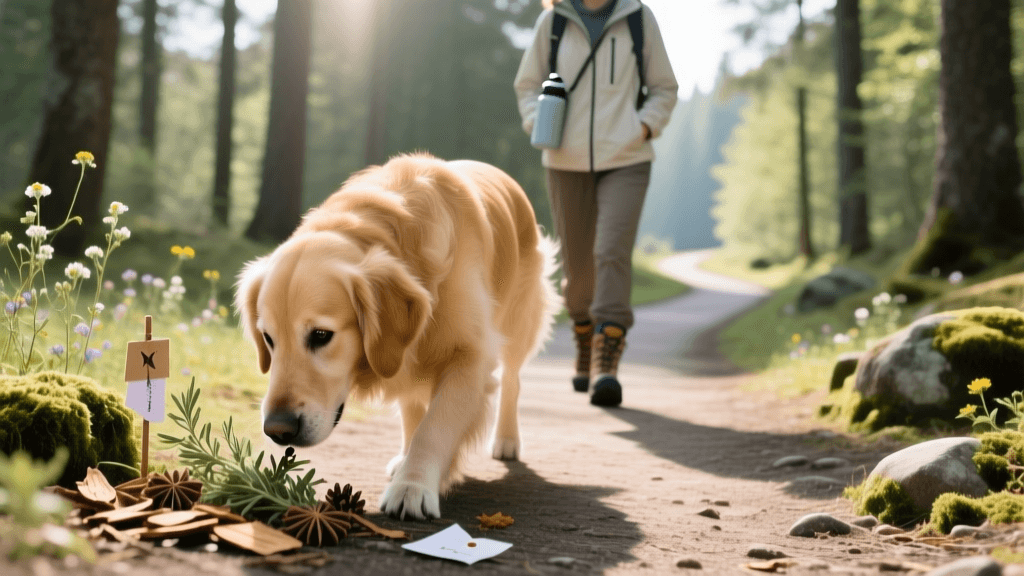
If you have scrolled through DogTok or canine Instagram lately, you have likely encountered the hashtag #sniffari. What started as a niche positive reinforcement training concept has exploded into a mainstream viral trend, fundamentally changing how modern pet parents approach their daily routines. A Sniffari is exactly what it sounds like: a safari for your dog's nose. Instead of marching briskly around the block for cardiovascular exercise, a Sniffari prioritizes mental enrichment, allowing your dog to dictate the pace, route, and duration of stops to investigate the olfactory landscape. But is this just a passing social media fad, or is there legitimate science backing the shift from physical exhaustion to mental stimulation? In this comprehensive guide, we break down the science, the essential gear, and the practical steps to integrate viral enrichment walks into your dog's daily life.
The Science Behind Scent Work and Mental Fatigue
To understand why the Sniffari trend is dominating canine enrichment discussions, we must look at canine anatomy. Dogs possess up to 300 million olfactory receptors in their noses, compared to our mere six million. Furthermore, the part of a dog's brain that analyzes odors is proportionally 40 times greater than ours. According to the American Kennel Club (AKC), sniffing is a dog's primary way of interpreting the world. When a dog sniffs a fire hydrant, they are not just smelling urine; they are reading a complex chemical bulletin board detailing the age, sex, health, and diet of every dog that passed by.
Processing this immense amount of sensory data requires significant cognitive energy. Behaviorists widely note that 15 to 20 minutes of intense, uninterrupted sniffing can tire a dog out as much as an hour of brisk physical walking. This mental fatigue leads to a calmer, more satisfied dog at home, reducing destructive behaviors born from boredom or pent-up anxiety.
Sniffari vs. Traditional Walk: A Comparison
Understanding the difference between a standard neighborhood walk and an enrichment walk is crucial for setting the right expectations. Here is how the two approaches compare:
| Feature | Traditional Heel Walk | Sniffari Enrichment Walk |
|---|---|---|
| Primary Goal | Cardiovascular exercise, obedience | Mental stimulation, stress reduction |
| Pace & Route | Owner-led, brisk, predictable | Dog-led, meandering, unpredictable |
| Leash Tension | Loose leash, short (4-6 ft) | Long line (15-30 ft), dragging or slack |
| Duration | 30-60 minutes | 15-25 minutes |
| Energy Burn Type | Physical exhaustion | Cognitive fatigue |
How to Plan and Execute the Perfect Sniffari
Transitioning to a Sniffari requires a shift in human psychology. You must surrender control of the itinerary. Begin by selecting a safe, low-traffic environment such as a quiet park, a wooded trail, or an empty sports field. Avoid busy urban sidewalks where the dog will be frequently interrupted by pedestrians or traffic.
Step-by-Step Execution
- Step 1: Gear Up. Attach your dog to a long line and a well-fitted harness. Never use a choke chain or prong collar for enrichment walks, as the dog will be pulling and lunging toward scents.
- Step 2: Drop Your Expectations. Forget about a 'good heel.' Simply follow your dog. When they stop to sniff a patch of grass, stand still and let them investigate until they voluntarily move on.
- Step 3: Encourage Foraging. If your dog seems unsure of what to do with their newfound freedom, you can encourage foraging by tossing a handful of high-value treats into the grass before the walk begins, prompting them to use their nose to hunt for food.
- Step 4: Practice Decompression. This is known as a decompression walk. It lowers a dog's heart rate and reduces cortisol levels. Allow 15 to 20 minutes of pure, uninterrupted sniffing time.
Essential Gear for Enrichment Walks
You cannot execute a proper Sniffari with a standard retractable leash and a neck collar. Retractable leashes lock unpredictably and can cause severe tracheal damage if a dog hits the end at a run. Instead, invest in specific enrichment gear:
- The Harness: A well-fitted, Y-front harness is mandatory. The Ruffwear Front Range Harness (approx. $39.95) is a viral favorite because it allows full shoulder extension and features a sturdy back clip for long lines.
- The Long Line: You need a Biothane long line. Biothane is a coated webbing that is waterproof, stink-proof, and glides through your hands without causing friction burns. A 15-foot to 20-foot Biothane leash (typically $35 to $55 from specialized dog sport shops or online artisans) provides the perfect radius for exploration while maintaining safety.
- The Treat Pouch: A dedicated treat pouch like the Ruffwear Treat Trader ($24.95) allows you to quickly reward 'check-ins' when your dog voluntarily looks back at you during their exploration.
Indoor Sniffaris: Beating the Weather
What if you live in a high-rise apartment, or the weather is torrential? The Sniffari trend has also birthed a wave of indoor mental enrichment solutions. Fear Free Pets strongly advocates for indoor foraging to combat cabin fever and separation anxiety.
The most popular product is the snuffle mat—a fabric mat with deep fleece strips where you can hide dry kibble or freeze-dried treats. A high-quality, densely packed snuffle mat costs between $30 and $60 and can provide 20 minutes of intense indoor sniffing. For a budget-friendly, DIY alternative, you can scatter feed by simply tossing your dog's daily kibble ration across a clean living room rug or hiding small piles of food inside rolled-up towels or cardboard boxes. This mimics the natural scavenging behaviors of wild canids and fulfills their biological need to hunt for their meals.
Safety and Etiquette on the Trail
While the Sniffari is incredibly beneficial, it requires heightened environmental awareness. Because your dog's nose is buried in the underbrush, they are more susceptible to environmental hazards. According to The Humane Society of the United States, owners must always scan areas for toxic plants, discarded human food, and sharp debris.
Key Safety Precautions
- Parasite Prevention: During warmer months, tick prevention is non-negotiable, as tall grasses are prime tick habitats. Ensure your dog is up to date on flea and tick medication.
- Foxtail Awareness: Be vigilant about foxtails—dangerous, barbed grass awns that can become lodged in a dog's nose, ears, or paws, requiring emergency veterinary surgery. Always inspect your dog's coat and paws immediately after a Sniffari.
- Wildlife & Leash Laws: Respect local leash laws and wildlife. A long line should never be used near roads, and you must be prepared to reel your dog in and practice a 'leave it' command if they begin digging into a groundhog hole or investigating local wildlife.
Conclusion
The viral Sniffari trend is much more than a cute social media hashtag; it is a scientifically backed, highly effective method for improving your dog's overall well-being. By trading a portion of your daily physical walks for intentional, dog-led mental enrichment, you are honoring your dog's most powerful sense. Grab a long line, find a quiet patch of grass, and let your dog's nose lead the way. You will likely find that a shorter, slower walk results in a happier, more relaxed companion.
marcus-aldridge
All our authors care for dogs every day — read more of their work on the authors page.