Best Smart Tech for Puppy Potty Training and Routines
Discover how smart cameras, automatic feeders, and GPS trackers can revolutionize your puppy's potty training, feeding schedule, and early socialization routines.

The Role of Technology in Modern Puppy Care
Raising a puppy during their first year of life is a profoundly rewarding experience, but it is also one that demands immense patience, consistency, and time. The developmental milestones of a puppy's first twelve months—including potty training, teething, early socialization, and establishing a daily routine—can feel overwhelming for modern pet parents balancing work and personal commitments. Fortunately, the intersection of veterinary science and consumer technology has birthed a new era of modern dog care. Today, smart home devices are no longer just luxury gadgets; they are essential tools that provide structure, safety, and peace of mind.
By leveraging smart cameras, automatic feeders, and GPS-enabled wearables, you can create a highly predictable environment that accelerates your puppy's learning curve. A predictable environment reduces stress, mitigates separation anxiety, and helps your puppy understand exactly what is expected of them. In this comprehensive guide, we will explore the best technology-assisted strategies for navigating your puppy's crucial first year, complete with actionable advice, product recommendations, and structured schedules.
Smart Cameras for Potty Training and Behavior Monitoring
Housebreaking is arguably the most stressful milestone in a puppy's early life. According to the American Kennel Club (AKC), establishing a strict, consistent routine and utilizing positive reinforcement are the cornerstones of successful potty training. However, you cannot reinforce good behavior or interrupt bad behavior if you are not in the room. This is where smart pet cameras become indispensable.
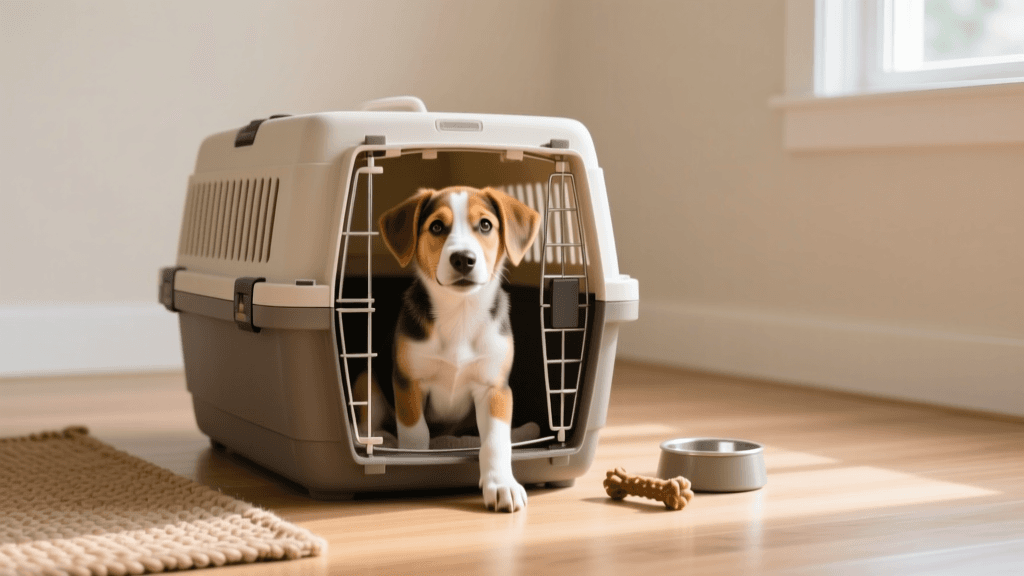
Devices like the Furbo 360 Dog Camera (approx. $150-$200) or the Petcube Bites 2 (approx. $100-$150) offer 1080p to 4K live streaming, two-way audio, and treat-tossing capabilities. For potty training, the camera's placement is critical. Mount or position the camera at a 45-degree downward angle focused specifically on your puppy's designated indoor potty pad area or their crate.
Actionable Tech Tips for Potty Training:
- Monitor Nap Wake-Ups: Puppies typically need to eliminate 10 to 15 minutes after waking up from a nap. Use your camera's motion or sound alerts to notify your smartphone the moment your puppy stirs, allowing you to rush them outside before an accident occurs.
- Interrupting Destructive Chewing: During the teething phase (usually between 3 and 6 months), puppies will chew on baseboards or shoes. Use the two-way audio feature to issue a firm 'Ah-ah!' or 'Leave it' command, then use the treat-tossing feature to reward them when they redirect their attention to an appropriate teething toy, like a frozen Kong.
- Desensitization to Alone Time: Use the camera to monitor your puppy's stress levels when you leave the house. If they are resting calmly, you can periodically toss a treat via the app to reinforce that being alone is a positive, rewarding experience.
Automatic Feeders for Precise Potty Schedules
The biological reality of puppy digestion is simple: what goes in on a schedule comes out on a schedule. Free-feeding (leaving a bowl of kibble out all day) makes potty training nearly impossible because you cannot predict when your puppy will need to eliminate. Smart automatic feeders, such as the PETLIBRO Granary Automatic Pet Feeder (approx. $120-$160), allow you to program exact meal times and portion sizes down to the tablespoon.
By utilizing the 'gastrocolic reflex'—the physiological response where the stomach signals the colon to empty after eating—you can predict your puppy's potty needs with remarkable accuracy. Most puppies will need to defecate within 15 to 30 minutes after a meal. By automating breakfast, lunch, and dinner, you remove human error and ensure your puppy's digestive system operates like clockwork, even if you are working late or stuck in traffic.
Puppy Feeding and Potty Schedule by Age
| Puppy Age | Meals Per Day | Est. Potty Interval | Tech/Feeder Strategy |
|---|---|---|---|
| 8 - 12 Weeks | 3 to 4 Meals | Every 1 - 2 Hours | Program feeder for 7 AM, 12 PM, 5 PM, 9 PM. Take outside 15 mins post-meal. |
| 3 - 6 Months | 3 Meals | Every 2 - 4 Hours | Program feeder for 7 AM, 12 PM, 6 PM. Monitor via camera for mid-day restlessness. |
| 6 - 12 Months | 2 Meals | Every 4 - 6 Hours | Transition to 7 AM and 6 PM feeds. Use smart doorbells to signal outdoor access. |
GPS and Smart Collars for Safe Socialization
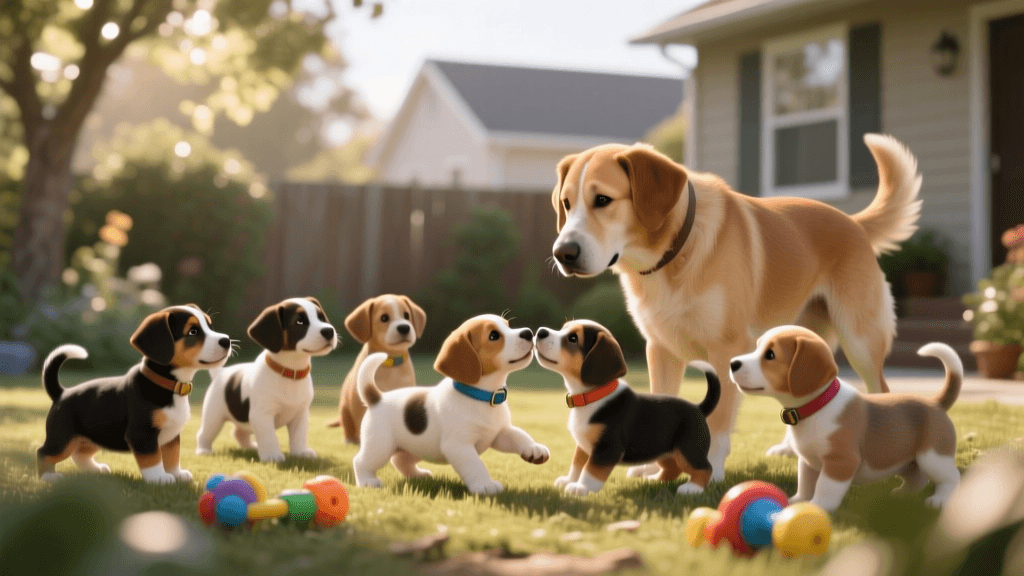
Early socialization—exposing your puppy to new environments, surfaces, sounds, and other dogs before they reach 16 weeks of age—is critical for preventing fear-based behaviors later in life. However, off-leash socialization in unfenced areas or hiking trails carries the risk of a puppy bolting out of fear or chasing wildlife. Smart GPS collars provide a vital safety net during these formative outdoor excursions.
The Fi Series 3 Smart Collar (approx. $149 plus subscription) or the Whistle GO GPS Tracker (approx. $100 plus subscription) offer real-time location tracking, activity monitoring, and 'safe zone' geofencing. If your puppy crosses the virtual boundary you set around your local park or backyard, you receive an instant push notification on your phone. Furthermore, these collars track your puppy's daily 'active minutes,' ensuring they are getting the appropriate amount of physical exercise for their specific breed and age without overexerting their developing growth plates.
Managing Separation Anxiety with App-Based Tools
As puppies mature, they must learn to self-soothe when left alone. The ASPCA notes that separation anxiety often stems from a lack of gradual desensitization to being alone, resulting in destructive behaviors, excessive vocalization, and inappropriate elimination. Technology can help you build a systematic desensitization protocol.
Pair your smart camera with app-based training platforms like Dogo or GoodPup. These apps provide structured, video-guided training plans for independence. For example, you can practice 'departure cues' (picking up your keys, putting on your shoes) without actually leaving, while monitoring your puppy's heart rate and stress signals via a compatible smart wearable. If your puppy remains calm, you can trigger an automatic treat dispenser (like the PetSafe Treat & Train) to reward their quiet behavior, effectively gamifying the process of learning to be alone.
Comparison Chart: Top Puppy Tech Gadgets
| Device Category | Top Brand Example | Est. Cost | Primary Puppy Benefit |
|---|---|---|---|
| Smart Treat Camera | Furbo 360 | $150 - $210 | Interrupts bad habits remotely; rewards calm crate behavior. |
| Automatic Feeder | PETLIBRO Granary | $120 - $160 | Regulates digestion for predictable potty training schedules. |
| GPS Smart Collar | Fi Series 3 | $149 + $8/mo | Ensures safety during off-leash socialization and tracks exercise. |
| Smart Potty Pad | PetSafe Staywell | $150 - $300 | Grass-to-pee pad systems with app alerts for elimination tracking. |
Building a Cohesive Tech-Assisted Routine
Integrating technology into your puppy's first year should not replace hands-on bonding, training, and affection. Rather, these tools act as a scaffolding that supports your efforts when you cannot be physically present. By synchronizing your automatic feeder's schedule with your smart camera's alert system and utilizing GPS trackers for safe outdoor exploration, you create a seamless, data-driven approach to puppy rearing.
Remember that technology is most effective when paired with positive reinforcement and patience. Use the data gathered from your devices to identify patterns in your puppy's behavior, adjust their feeding portions as they grow, and celebrate the small victories. With the right tech stack and a commitment to consistency, you will guide your puppy through their developmental milestones with confidence, setting the stage for a lifetime of health, happiness, and impeccable manners.
hannah-wickes
All our authors care for dogs every day — read more of their work on the authors page.