Puppy Training Myths: 5 Socialization Lies Debunked
Discover the truth behind common puppy socialization and training myths. Learn actionable, vet-backed facts to raise a confident, well-adjusted dog.
The First 16 Weeks: Why Getting It Right Matters
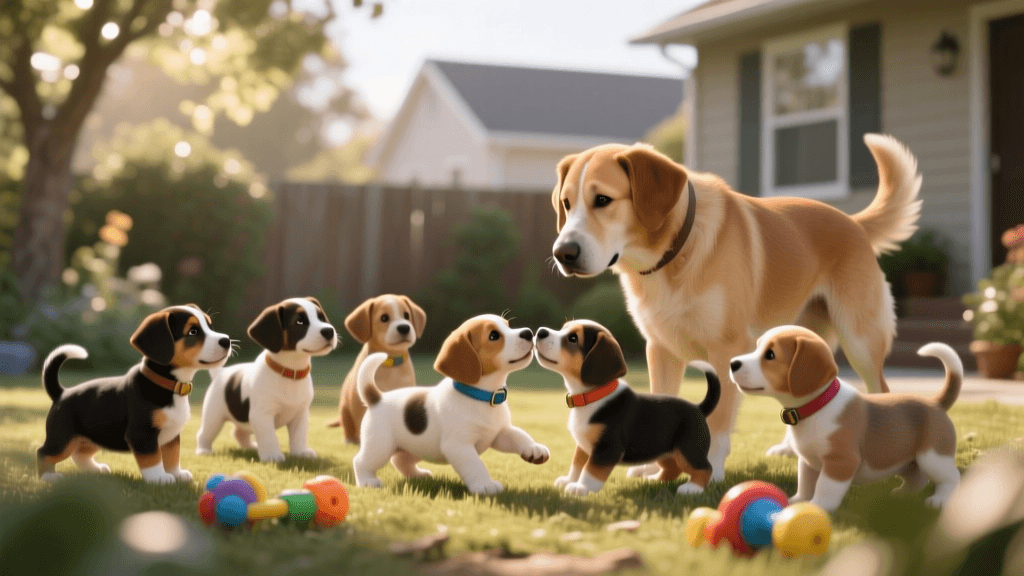
Bringing home a new puppy is a whirlwind of joy, chewed-up shoes, and sleepless nights. At Paws-Tales, we know that the first 16 weeks of your puppy's life are the most critical for behavioral development. Yet, the internet is flooded with outdated advice, well-meaning but incorrect tips from relatives, and outright myths that can hinder your puppy’s growth. Today, we are putting on our myth-busting hats to separate fact from fiction regarding puppy socialization and early training. Missteps during the critical socialization period can lead to lifelong fear, anxiety, and aggression. Let’s debunk five of the most dangerous puppy care myths and replace them with actionable, science-backed strategies.
The Science of the Critical Socialization Window
Before we dive into the myths, it is vital to understand the biology of your puppy's brain. The primary socialization window for puppies occurs between 3 and 14 weeks of age. During this brief window, a puppy's brain is highly plastic, meaning they are biologically wired to accept new experiences, sounds, surfaces, and creatures without fear. Once this window begins to close, the natural canine instinct shifts toward neophobia—the fear of new things. Proper socialization during these weeks literally shapes the neural pathways of your dog's brain, creating a resilient, confident adult dog.
Myth 1: Keep Your Puppy Indoors Until Fully Vaccinated
The Myth
Many new owners are told by well-intentioned friends and even some outdated veterinary sources to keep their puppies isolated inside the house and away from the outside world until they receive their final round of parvovirus and distemper vaccines at 16 weeks.
The Fact
While disease prevention is crucial, behavioral euthanasia is a leading cause of death in dogs under three years old. The American Veterinary Society of Animal Behavior (AVSAB) explicitly states that the risk of a dog developing behavioral problems and being surrendered to a shelter far outweighs the risk of disease transmission, provided socialization is done safely.
Actionable Advice
You do not need to lock your puppy away. Instead, practice safe socialization. Carry your puppy in a sling or use a pet stroller (like the Pet Gear Happy Trailer, approx. $150) to expose them to outdoor sights, sounds, and smells without their paws touching high-risk public soil. Invite friends with fully vaccinated, healthy dogs to your home for controlled playdates. Avoid public dog parks until your vet gives the all-clear at 16 weeks.
Myth 2: Rub Their Nose in It to Stop Potty Accidents
The Myth
An age-old wives' tale suggests that if a puppy has an accident on the rug, you should rub their nose in the mess so they learn not to do it again.
The Fact
Dogs do not possess the cognitive ability to connect a delayed punishment with an action that happened even seconds ago. According to the ASPCA, rubbing a puppy's nose in urine or feces only teaches them to fear you. Worse, it teaches them to hide when they need to eliminate, leading to them sneaking off to poop behind your sofa.
Actionable Advice
If you catch them in the act, clap loudly to interrupt, immediately scoop them up, and carry them outside to finish. Reward heavily with high-value treats (like Zuke's Mini Naturals, approx. $8) the second they eliminate outdoors. For cleanup, abandon ammonia-based cleaners and invest in an enzymatic cleaner like Nature's Miracle Advanced Stain and Odor Eliminator (approx. $12), which breaks down the uric acid crystals that attract puppies back to the same spot.
Myth 3: Puppies Will Just Grow Out of Biting and Jumping
The Myth
Oh, they are just a baby, they will stop biting and jumping once they get older.
The Fact
Puppies do not magically grow out of behaviors; they grow into them. If a 15-pound puppy learns that jumping on you gets them attention, your 70-pound adult dog will do the exact same thing, potentially knocking over children or elderly guests.
Actionable Advice
Manage the environment and redirect. Puppies explore the world with their mouths, especially during the teething phase (3 to 6 months). When puppy teeth touch your skin, let out a high-pitched yelp and immediately redirect their mouth to a toy like the KONG Classic (Red, approx. $15) stuffed with frozen plain yogurt and pumpkin puree. For jumping, turn your back and cross your arms the moment their paws leave the floor. Only offer attention and pets when all four paws are planted firmly on the ground.
Myth 4: Puppy Classes Are Just About Learning Tricks
The Myth
Many owners delay puppy kindergarten, thinking they can teach their dog to sit and lie down on their own at home, rendering classes unnecessary.
The Fact
Puppy classes are not primarily about obedience commands; they are about canine communication, bite inhibition, and environmental confidence. The American Kennel Club (AKC) emphasizes that structured puppy classes provide a safe environment for puppies to learn how to read canine body language and moderate their bite pressure through play with littermate surrogates.
Actionable Advice
Enroll in an AKC S.T.A.R. Puppy class or a local force-free puppy kindergarten by the time your pup is 10 to 12 weeks old. Expect to spend between $100 and $200 for a 6-week course. Ensure the facility requires proof of at least the first round of DHPP vaccines and mandates that the floors are sanitized before class.
Myth 5: Socialization Means Meeting 100 Dogs a Day
The Myth
To have a friendly dog, you must drag your puppy to every dog park, pet store, and crowded farmer's market to meet as many dogs and humans as physically possible.
The Fact
Flooding a puppy with overwhelming, chaotic stimuli is not socialization; it is sensitization. Forcing a timid puppy into a chaotic dog park can trigger a fear period, permanently wiring their brain to associate other dogs with panic and trauma.
Actionable Advice
Focus on quality, positive exposures rather than sheer quantity. Aim for 3 to 5 positive, brief (5-minute) exposures a day. Let your puppy observe a garbage truck from 50 feet away while feeding them boiled chicken. Let them watch a person wearing a large hat from a safe distance. If your puppy shows signs of stress (lip licking, yawning, tucked tail), increase the distance immediately.
First-Year Puppy Socialization and Training Budget
Planning ahead can save you time, money, and stress. Below is a structured breakdown of essential socialization and training investments for your puppy's first year.
| Item or Service | Primary Purpose | Estimated Cost | Timing |
|---|---|---|---|
| Enzymatic Cleaner (e.g., Nature's Miracle) | Eliminating potty accident odors to prevent remarking | $12 - $15 | Week 8 (Day 1 Home) |
| Pet Stroller or Sling | Safe outdoor exposure before full vaccination | $40 - $150 | Weeks 8 to 16 |
| Force-Free Puppy Kindergarten | Bite inhibition, canine body language, confidence | $100 - $200 | Weeks 10 to 16 |
| Interactive Chew Toys (e.g., KONG Classic) | Teething relief and redirecting puppy bites | $15 - $25 | Months 3 to 6 |
| Basic Obedience / Manners Class | Leash walking, recall, impulse control | $150 - $250 | Months 6 to 12 |
Remember: Socialization is not about forcing interactions; it is about teaching your puppy that the world is a safe, predictable place and that they can look to you for guidance when they feel unsure.
Conclusion
Raising a well-adjusted dog requires separating internet fiction from veterinary science. By ditching outdated myths and embracing proactive, positive, and safe socialization strategies, you are setting your puppy up for a lifetime of confidence and joy. Keep your training sessions short, your treats high-value, and your patience high. For more expert-backed guides on navigating your puppy's first year, continue exploring the Puppy Care resources here at Paws-Tales.
tom-renshaw
All our authors care for dogs every day — read more of their work on the authors page.