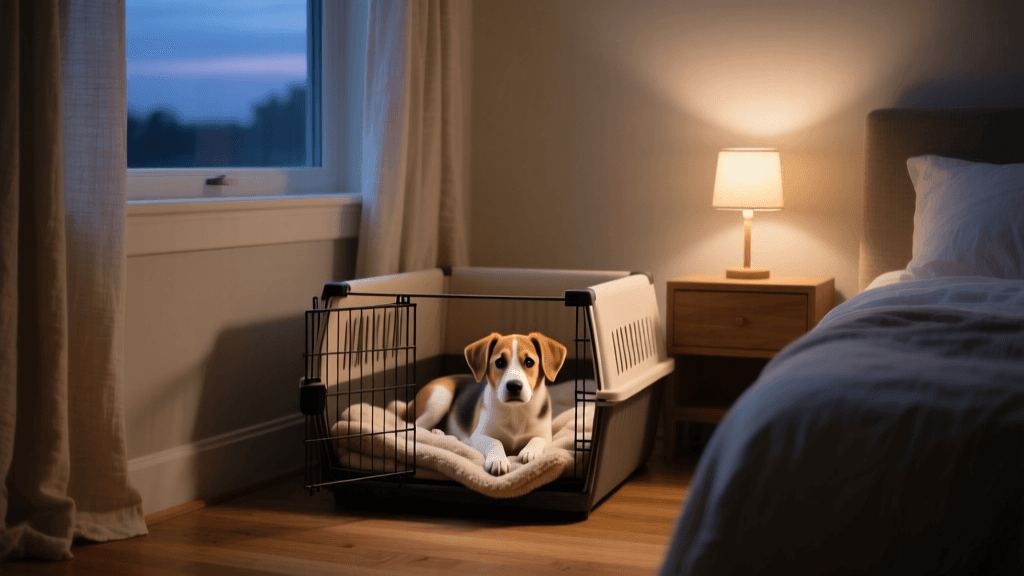
Essential Smart Tech to Prepare Your Home for a New Dog
Discover the best smart home tech, GPS trackers, and pet cameras to puppy-proof your space and prepare for your new dog's arrival.

The Modern Dog Owner's Tech Stack
Bringing a new dog into your home is one of life’s most rewarding experiences, but it also introduces a wave of unpredictability. Puppies chew, adult rescue dogs may experience separation anxiety, and all new dogs need time to adjust to their environment. Animal behaviorists often refer to the 'Rule of 3' for rescue dogs: three days to decompress, three weeks to learn your routine, and three months to start feeling truly at home. During this critical transition period, the modern dog owner has access to an incredible suite of smart home technology designed to ease the adjustment. From GPS-enabled smart collars that prevent heartbreaking escapes to automated feeders that establish crucial routines, integrating technology into your puppy-proofing strategy is no longer a luxury—it is a proactive necessity. According to the Centers for Disease Control and Prevention (CDC), proper preparation, environmental management, and safety protocols are key to ensuring a healthy transition for your new pet. In this comprehensive guide, we will explore the essential smart tech stack every new dog owner should consider before bringing their furry friend home.
Smart Pet Cameras for Monitoring and Separation Anxiety
When you leave your new dog alone for the first time, the anxiety you feel might actually rival theirs. Separation anxiety is a highly common behavioral issue in newly adopted dogs and young puppies who have recently experienced a major environmental shift. The ASPCA notes that creating a safe, monitored environment can help mitigate stress and allow you to intervene before destructive behaviors escalate. This is where smart pet cameras become invaluable tools for the modern pet parent.
Devices like the Furbo 360 Dog Camera or the Wyze Cam Pan v3 offer much more than just passive surveillance. They provide two-way audio, allowing you to soothe your dog with your voice, and feature 'treat-tossing' capabilities that enable you to reward calm behavior remotely. When setting up your camera, place it at your dog’s eye level in the room where they will spend the most time, such as their designated playpen or living area. Ensure the device is mounted securely or placed on a high shelf to prevent a teething puppy from chewing on the power cord. Look for models with 'bark alerts' that send push notifications to your phone, allowing you to check in and redirect your dog’s attention with a voice command or a tossed treat before a barking spiral disturbs your neighbors.
GPS Trackers and Smart Collars for Escape-Proofing
One of the most terrifying experiences for a new dog owner is a pet bolting out the front door or slipping their leash during a walk. New environments, unfamiliar sounds, and sudden loud noises can trigger a flight response in even the most well-adjusted dogs. While traditional microchipping is a vital baseline—and the ASPCA strongly recommends it as a permanent, unalterable form of identification—a microchip only helps after your dog has been found and scanned at a shelter or vet clinic. For real-time recovery and peace of mind, a GPS tracker is essential.
Modern GPS trackers have evolved from bulky, short-battery attachments to sleek, integrated smart collars. Below is a comparison of the top GPS tracking solutions for new dog owners:
| Device | Type | Battery Life | Subscription | Best For |
|---|---|---|---|---|
| Fi Series 3 | Smart Collar | Up to 3 months | Yes | Escape artists & rural areas |
| Tractive GPS | Collar Attachment | 2-5 days | Yes | Budget-conscious global travelers |
| Whistle Go | Collar Attachment | Up to 20 days | Yes | Urban environments & health tracking |
When choosing a tracker, consider your local environment. If you live in a rural area with spotty cellular coverage, a device that utilizes a mix of GPS, Wi-Fi, and Bluetooth (like the Fi Series 3) will offer the most reliable tracking via its 'Lost Dog Mode.' Always ensure the collar fits snugly but comfortably, allowing you to slide two fingers between the collar and your dog’s neck.
Automated Feeders and Smart Water Fountains
Dogs thrive on routine, and establishing a predictable feeding schedule from day one is crucial for house training, digestive health, and behavioral stability. Smart automated feeders, such as the PETLIBRO Granary or the WOPET SmartFeeder, allow you to program precise meal times and portion sizes down to the gram. This is particularly useful for new puppy owners who need to feed three to four small meals a day but may be working from home and prone to losing track of time. Furthermore, automated feeders remove the human element from mealtime, which can help prevent food guarding and resource aggression by teaching the dog that the machine—not your approaching hand—provides the food.
Pair your smart feeder with a smart water fountain. Dogs are naturally drawn to moving water, and a filtered fountain ensures your pet always has access to fresh, oxygenated water while you are away. Many modern fountains come with app connectivity that alerts you when the water level is low or when the filter needs replacing, taking the guesswork out of daily hydration and preventing urinary tract issues associated with dehydration.
Smart Home Sensors and Dynamic Puppy-Proofing
Puppy-proofing traditionally involves getting down on your hands and knees to spot hazards, taping up cords, and hiding shoes. Modern technology allows you to puppy-proof your home dynamically using smart home ecosystems like Apple HomeKit, Amazon Alexa, or Google Home. Start by utilizing smart plugs for any appliances that pose a burn or fire risk, such as space heaters, curling irons, or coffee makers. You can set these smart plugs to automatically cut power when your phone leaves the geofenced area of your home, ensuring a curious puppy cannot accidentally turn on a dangerous device by stepping on a physical switch or chewing a cord.
Additionally, consider investing in smart indoor pet barriers. Unlike traditional baby gates that require physical installation and can damage doorframes, smart boundary systems use a small transmitter and a receiver on your dog’s collar to emit a gentle warning tone if they cross into an off-limits zone, such as a room with exposed wiring, expensive electronics, or toxic houseplants. This allows you to dynamically change the 'safe zones' of your home via a smartphone app as your dog matures, learns boundaries, and earns more freedom.
Budgeting for Your Tech-Enabled Dog Setup
Outfitting your home with smart pet technology requires an upfront investment, but it can save you thousands of dollars in potential property damage, emergency vet bills, or lost pet recovery efforts. Expect to spend between $300 and $600 on initial hardware, including a high-quality pet camera ($100-$250), a GPS smart collar ($150-$200), and an automated feeder ($80-$150). Factor in an additional $10 to $15 per month for cellular subscription services required by most GPS trackers and premium camera cloud storage.
Technology is a powerful ally in the 'Getting a Dog' journey, but it is not a substitute for patience, positive reinforcement training, and genuine bonding.
Use these tools to create a safe, structured, and highly observable environment. By automating the logistics of feeding, monitoring, and securing your home, you free up your time and mental energy to focus on what truly matters: building a lifelong, loving, and deeply connected relationship with your new best friend.
priya-sutaria
All our authors care for dogs every day — read more of their work on the authors page.