Introducing a Second Dog: A Guide for Multi-Pet Homes
Learn how to successfully introduce a second dog to your resident pet. Discover step-by-step tips, essential gear, and multi-dog home prep strategies.

The Decision: Is Your Home Ready for a Second Dog?
Bringing a second dog into your home is an exciting milestone that promises double the companionship, playtime, and joy. However, transitioning from a single-dog household to a multi-pet environment requires careful planning, patience, and a deep understanding of canine behavior. Before making the leap, it is crucial to evaluate your resident dog's social history, age, and health. A senior dog with arthritis may find the boundless energy of a new puppy overwhelming, while a dog with a history of severe resource guarding may need extensive behavioral modification before a housemate is introduced.
Space is another critical factor. While dogs do not necessarily need a massive yard to thrive, they do require enough indoor square footage to establish separate resting zones. Multi-dog living is less about the total size of your home and more about how you manage the environment to prevent overcrowding and competition. By preparing your home and structuring your introductions correctly, you can lay the foundation for a lifelong canine friendship.
Essential Gear for a Multi-Dog Household
Preparing your home means investing in the right management tools. Relying solely on verbal commands during the first few weeks is a recipe for stress. Physical barriers and individual resources are your best allies in preventing conflicts and allowing both dogs to decompress. Below is a breakdown of the essential gear you will need, along with estimated costs and specifications.
| Item | Purpose | Estimated Cost | Recommended Specifications |
|---|---|---|---|
| Hardware-Mounted Baby Gates | Zone separation and safe decompression | $50 - $80 each | Minimum 30 inches tall; hardware-mounted for large breeds |
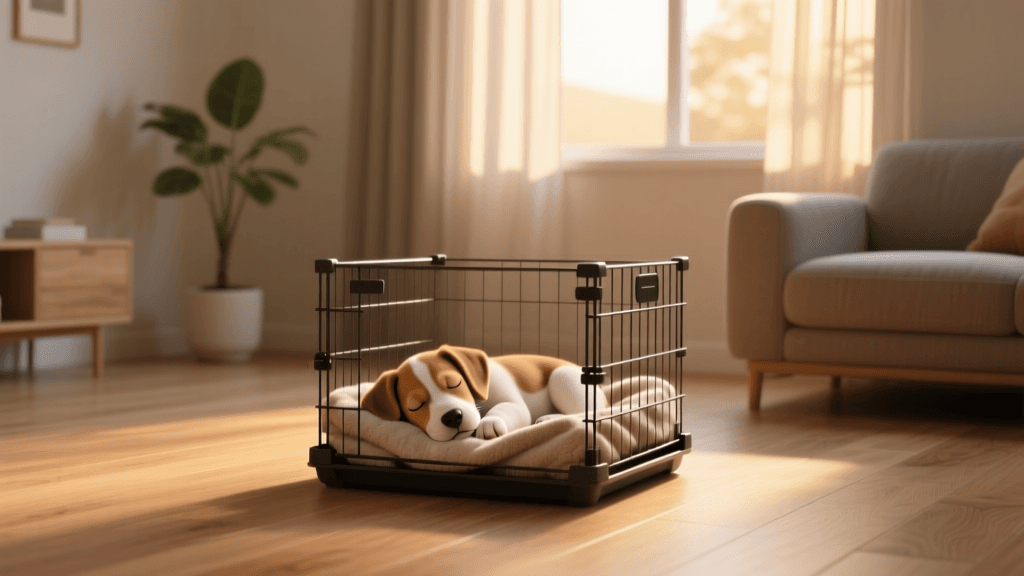
| Individual Wire Crates | Safe sleeping spaces and time-outs | $70 - $120 each | 36x23x25 inches for medium dogs; allow standing and turning |
| Enrichment Toys | Independent mental stimulation | $15 - $25 each | Kong Classic Red, West Paw Toppl (buy duplicates) |
| Long Lines | Controlled neutral territory walks | $20 - $35 each | 15-foot to 20-foot Biothane leash (easy to clean) |
| Stainless Steel Bowls | Separate feeding stations | $15 - $30 per set | Weighted base to prevent tipping; elevated for large breeds |
Budgeting approximately $300 to $500 for this initial setup will save you from costly behavioral interventions later. According to the ASPCA, providing separate resources such as food bowls, beds, and toys is one of the most effective ways to prevent resource guarding and reduce tension in a multi-dog home.
Pre-Arrival Preparation: Scent and Space
Dogs experience the world primarily through their olfactory senses. You can begin the introduction process days before the new dog ever steps foot in your house through a technique called scent swapping. Ask the shelter, breeder, or foster to send home a blanket or towel that the new dog has slept on. Place this item in your resident dog's favorite resting area, paired with high-value treats like freeze-dried liver or boiled chicken. This creates a positive association with the new dog's scent.
Simultaneously, set up your home's physical zones. Use your baby gates to create a 'sanctuary room' for the new dog. This room should contain their crate, water bowl, and a Snuggle Puppy with a simulated heartbeat (roughly $40) to ease the transition. By gating off areas like the master bedroom or the resident dog's favorite sofa, you prevent the new dog from immediately invading established territory, which can trigger defensive behaviors.
The First Meeting: Neutral Territory Introductions
The initial meeting between the two dogs should never happen inside your home or in your fenced backyard. Your resident dog views these areas as their territory, and an intruder entering this space can trigger an immediate defensive response. Instead, head to a neutral location like a quiet park, an empty tennis court, or a calm neighborhood street.
The Humane Society of the United States strongly recommends the 'parallel walking' method for initial introductions. Here is how to execute it step-by-step:
- Step 1: Have two handlers, each holding one dog on a loose 15-foot long line. Avoid retractable leashes, as they offer poor control and can cause tension.
- Step 2: Begin walking in the same direction, keeping the dogs parallel to each other at a distance of 10 to 15 feet. This allows them to observe and smell each other without the pressure of a direct, face-to-face confrontation.
- Step 3: Gradually decrease the distance between the dogs over 15 to 20 minutes, provided both dogs are displaying relaxed body language.
- Step 4: Look for 'calming signals' such as soft eyes, relaxed ears, loose wiggly bodies, and play bows. If you see stiffening, hard staring, raised hackles, or lip licking, increase the distance immediately.
The 3-3-3 Rule of Decompression: Remember that a new dog takes 3 days to decompress from the stress of transit, 3 weeks to learn your routine, and 3 months to truly feel at home and show their real personality. Patience during this window is non-negotiable for multi-pet harmony.
Bringing the New Dog Home: Managing the First 48 Hours
Once the neutral territory walk is successful, it is time to head home. When you arrive, leave both dogs outside in the yard (if fenced) or on their long lines for a brief potty break before entering. When bringing them inside, keep the new dog on a leash and allow the resident dog to enter first. Guide the new dog to their pre-established sanctuary room behind the baby gate.
For the first 48 hours, implement a strict crate-and-gate rotation system. When the new dog is out exploring the living room, the resident dog should be in their crate or behind a gate in another room, and vice versa. This allows both dogs to map the house and smell each other's movements without the stress of direct interaction. Experts at Best Friends Animal Society note that rushing this decompression phase is the leading cause of failed multi-dog adoptions. Let the dogs dictate the pace of their integration.
Feeding and Resource Management
Food is a primary trigger for resource guarding. From day one, establish a rule that all meals, high-value chews (like bully pucks or yak cheese), and stuffed enrichment toys are fed in complete isolation. Feed the resident dog in their crate and the new dog in their sanctuary room. Never leave high-value items scattered around the living room where a dispute could arise. Pick up all bowls and chews once the dogs are finished. As weeks turn into months and trust is established, you can gradually test feeding them on opposite sides of a baby gate, but always err on the side of caution.
Long-Term Harmony: Rules and Routines
Living with multiple dogs requires a commitment to ongoing management and individual attention. It is vital to schedule one-on-one time with your resident dog every single day. Whether it is a 20-minute training session, a solo sniffari walk, or just cuddling on the couch, your first dog needs to know that their status and your bond remain secure. Similarly, the new dog needs individual training to learn the household rules without the distraction or interference of the resident dog.
By investing in the right gear, respecting the decompression process, and managing resources meticulously, you can successfully navigate the complexities of multi-dog living. The first few weeks will demand significant effort and supervision, but the reward of watching your dogs eventually choose to sleep curled up together is well worth the preparation.
hannah-wickes
All our authors care for dogs every day — read more of their work on the authors page.