Best First-Day Puppy Essentials: Complete Buyer Guide
Discover the best first-day puppy essentials with our complete buyer's guide. Compare crates, harnesses, and toys to prepare your home for a new dog.

Welcoming Your New Puppy: Why Preparation Matters
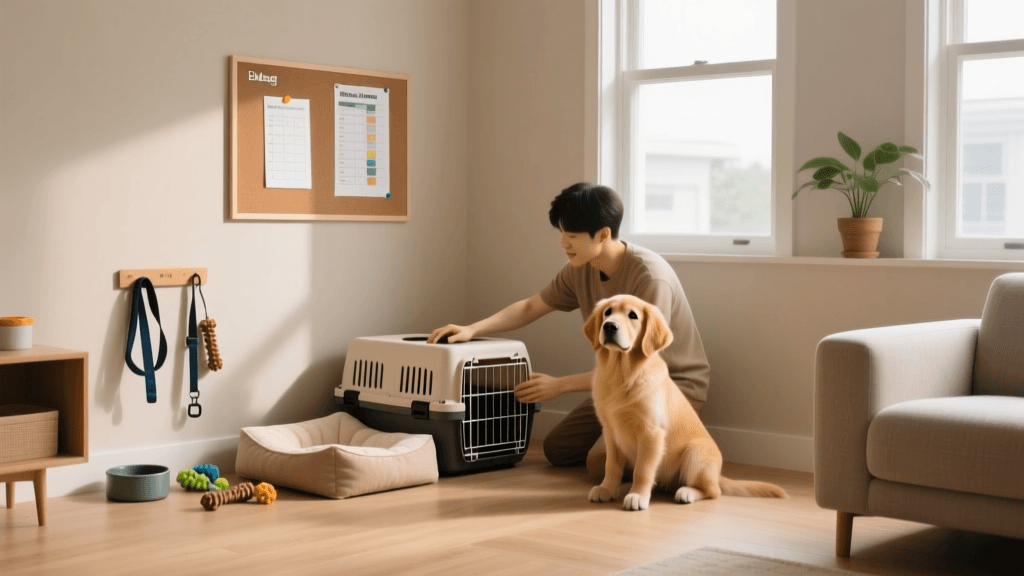
Bringing a new puppy home is one of the most exciting milestones for any dog owner. However, the first 48 hours are critical for establishing boundaries, building trust, and setting the foundation for lifelong behavioral routines. Walking into a pet store or browsing online retailers can be overwhelming, with thousands of products claiming to be "must-haves." As a new owner, it is vital to separate marketing gimmicks from genuine, veterinary-recommended essentials. This comprehensive buyer's guide breaks down the exact products you need for your puppy's first day, focusing on safety, durability, and developmental appropriateness. By preparing your home with the right gear, you can drastically reduce first-day anxiety for both you and your new furry companion.
The Crate: Your Puppy's Safe Haven
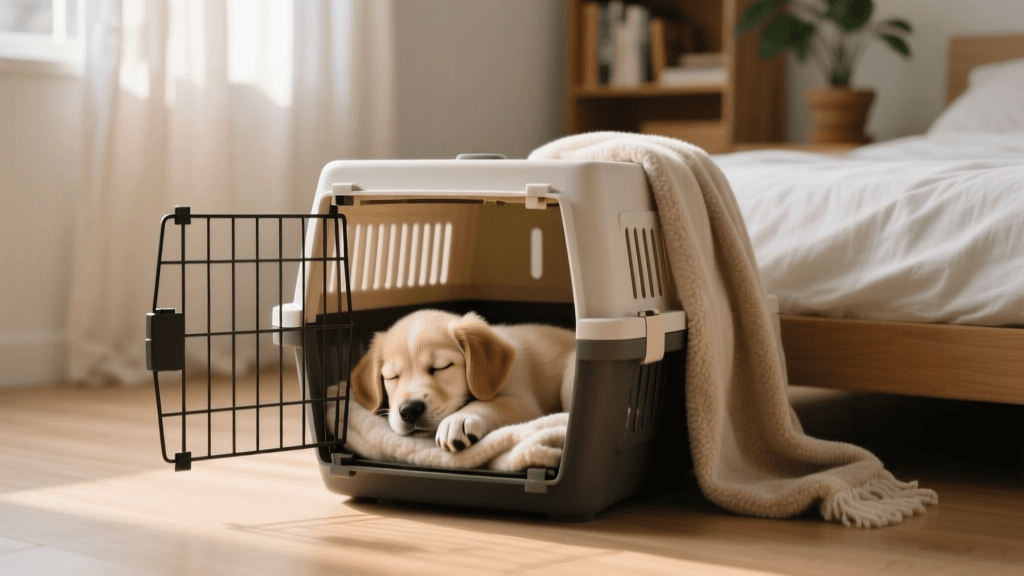
A crate is not just a containment tool; it is your puppy's personal sanctuary and the cornerstone of housebreaking. When selecting a crate, you must consider the material, size, and your puppy's temperament. Wire crates are generally the gold standard for puppies because they offer excellent visibility, superior airflow, and most importantly, adjustable sizing via divider panels. A puppy's crate should be large enough for them to stand up, turn around, and lie down comfortably. If the crate is too large, they may designate one corner for sleeping and another for eliminating, which undermines house training. According to the ASPCA's crate training guidelines, proper sizing is crucial to leverage a dog's natural instinct to keep their sleeping area clean.
Crate Type Comparison Chart
| Crate Type | Pros | Cons | Best For |
|---|---|---|---|
| Wire Crate | Excellent airflow, high visibility, foldable for travel, includes divider panels for growing puppies. | Can feel less den-like, heavier, metal can rust if the coating is chewed off. | Puppies in active training, warm climates, owners who need to adjust size as the dog grows. |
| Plastic Crate | Cozy den-like feel, blocks visual stimuli to reduce barking, many are airline-approved. | Poor airflow, harder to sanitize after accidents, cannot be resized with dividers. | Anxious puppies, travel, drafty homes, or as a secondary sleeping crate. |
| Soft-Sided Crate | Lightweight, highly portable, comfortable and cozy. | Zero chew-resistance, impossible to properly sanitize after indoor accidents. | Fully house-trained adult dogs (Strictly NOT recommended for teething puppies). |
Buyer's Tip: To find the correct wire crate size for your adult dog's eventual size, measure from the tip of their nose to the base of their tail, and add 2 to 4 inches. For example, a Golden Retriever will eventually need a 36-inch or 42-inch crate. Purchase that size now, but use the included metal divider panel to restrict the space to just the puppy's current body length.
Harnesses vs. Collars: Protecting the Trachea
While a collar is necessary for holding your puppy's ID and rabies tags, it should never be used for leash walking during the puppy stage. Puppies have highly delicate tracheas and cervical spines. A sudden lunge at a squirrel or a harsh correction can cause severe tracheal damage or spinal injury. Therefore, a well-fitted, Y-front harness is an absolute first-day essential. A Y-front harness ensures that the straps rest on the puppy's sternum and ribcage, completely bypassing the neck and throat area.
When shopping for a harness, look for models with dual leash attachment points (one on the back and one on the front chest). The front chest clip is invaluable for gently redirecting a pulling puppy back toward you without causing them harm. Brands like Rabbitgoo and Ruffwear offer excellent, highly adjustable puppy-specific harnesses. To ensure a proper fit, measure your puppy's girth (the widest part of the ribcage just behind the front legs). You should always be able to slide two fingers comfortably between the harness straps and your puppy's body. As your puppy grows rapidly, expect to size up your harness every few months during their first year.
Food and Water Bowls: Material Matters
The material of your puppy's food and water bowls plays a significant role in their dermatological and gastrointestinal health. Plastic bowls are highly porous, meaning they harbor microscopic scratches that trap bacteria like Staphylococcus and Pseudomonas. This bacterial buildup is a leading cause of canine acne and contact dermatitis on a puppy's chin and muzzle. Furthermore, plastic bowls can cause allergic reactions in some dogs.
The Solution: Invest in high-quality, food-grade stainless steel bowls or heavy, lead-free ceramic bowls. Stainless steel is non-porous, rust-resistant, and incredibly easy to sanitize in the dishwasher. For puppies that eat their kibble too quickly—a habit that can lead to choking, vomiting, or life-threatening gastric dilatation-volvulus (bloat) in large breeds—consider purchasing a stainless steel slow-feeder bowl or a ceramic puzzle feeder. These bowls feature raised ridges that force the puppy to forage for their food, slowing down their eating pace and providing valuable mental stimulation.
Enrichment and Teething Toys
Puppies explore the world with their mouths, and the teething process, which peaks between 3 and 6 months of age, can turn your furniture into collateral damage. Providing appropriate, textured chew toys is essential for soothing inflamed gums and redirecting destructive chewing behaviors. The American Kennel Club's puppy shopping list heavily emphasizes the importance of having a variety of toys to keep a puppy's mind engaged and their teeth occupied.
For soothing sore gums, the KONG Puppy (the pink or blue rubber version, which is softer than the adult red version) is an industry staple. You can stuff it with puppy-safe peanut butter or plain yogurt and freeze it overnight to provide long-lasting, cooling relief. Additionally, consult the VCA Animal Hospitals' guide on puppy teething, which recommends avoiding hard items like antlers, cooked bones, or hard nylon chews, as these can easily fracture a puppy's fragile deciduous (baby) teeth or their emerging adult teeth. Instead, opt for high-quality rubber toys, edible teething rings, and woven cotton rope toys that help floss their teeth naturally.
Accident Cleanup: The Enzymatic Cleaner
No matter how diligent you are with crate training and potty breaks, indoor accidents are inevitable. Standard household cleaners, bleach, or ammonia-based products will not eliminate the uric acid crystals found in dog urine. If these crystals remain, your puppy's highly sensitive nose will detect the scent and encourage them to eliminate in the exact same spot again. You must purchase a high-quality enzymatic cleaner (such as Nature's Miracle or Rocco & Roxie). Enzymatic cleaners contain specific bacteria that literally consume the organic matter and uric acid, neutralizing the odor at the molecular level so the puppy does not return to the scene of the crime.
Budgeting for Your Puppy Starter Kit
Preparing for a puppy requires a financial investment. Below is a structured breakdown of the essential items you need for day one, along with estimated costs to help you budget effectively.
| Item Category | Recommended Product Type | Estimated Cost | Priority |
|---|---|---|---|
| Crate | Wire Crate with Adjustable Divider | $40 - $80 | Essential |
| Bedding | Machine-Washable Crate Pad | $20 - $40 | Essential |
| Harness | Y-Front Adjustable Harness (Dual Clip) | $15 - $35 | Essential |
| Leash | 4 to 6-foot Nylon or Leather Leash | $10 - $25 | Essential |
| Bowls | Stainless Steel (Set of 2) | $15 - $30 | Essential |
| Chew Toys | Rubber Teething Toys (e.g., KONG Puppy) | $10 - $20 | High |
| Enrichment | Snuffle Mat or Puzzle Feeder | $15 - $30 | Moderate |
| Cleanup | Enzymatic Stain and Odor Cleaner | $10 - $20 | Essential |
Final Thoughts on First-Day Essentials
Equipping your home with the right first-day essentials is about more than just buying products; it is about setting your puppy up for success in a brand-new environment. By investing in a properly sized wire crate, a trachea-safe harness, hygienic stainless steel bowls, and appropriate teething enrichment, you are proactively preventing behavioral and medical issues before they start. Remember to puppy-proof your home by securing electrical cords, removing toxic houseplants, and setting up a designated play area. With the right gear and a patient, consistent routine, your puppy's first day will be the beginning of a beautiful, lifelong bond.
priya-sutaria
All our authors care for dogs every day — read more of their work on the authors page.