Top Breeds for Agility and Obedience Training Compared
Compare Border Collies, Golden Retrievers, and German Shepherds for agility and obedience training. Find gear, costs, and timelines.
Selecting the Right Breed for Advanced Dog Sports
Selecting the right dog breed for advanced obedience and agility training is a critical decision that shapes your entire journey as a handler. While any dog can learn basic manners, competitive dog sports require specific genetic predispositions, physical capabilities, and mental drives. When evaluating breed comparison and selection for training purposes, handlers must look beyond aesthetics and focus on biddability, prey drive, and environmental stability. According to the American Kennel Club (AKC) agility guidelines, success in the ring relies heavily on the synergy between the handler's training methods and the dog's inherent working style.
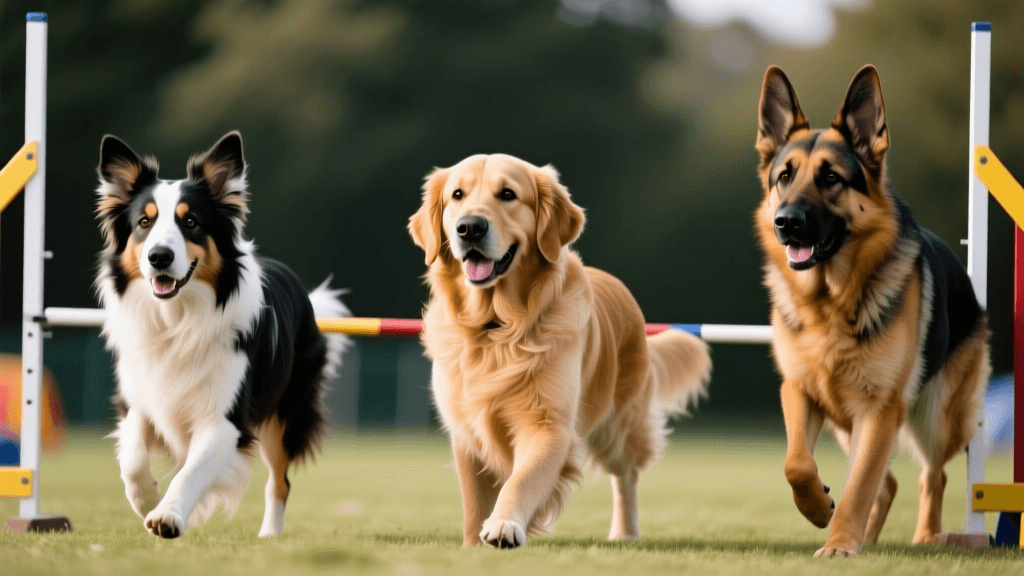
In this comprehensive guide, we will compare three of the most popular breeds in competitive training circles: the Border Collie, the Golden Retriever, and the German Shepherd. We will break down their unique learning styles, provide actionable training timetables, recommend specific gear with costs, and outline behavioral conditioning strategies to help you select the perfect canine partner.
The Core Metrics: Biddability vs. Independent Drive
Before diving into specific breeds, it is essential to understand the two primary metrics that dictate a dog's trainability in high-stakes environments:
- Biddability: This refers to a dog's innate desire to please its handler and work cooperatively. Highly biddable dogs check in frequently, forgive handler mistakes, and thrive on verbal praise and physical affection.
- Independent Drive: This is the dog's internal motivation to complete a task, often rooted in prey or herding instincts. High-drive dogs are explosive, fast, and focused, but they can become frustrated or 'shut down' if the training lacks clarity or if they are subjected to heavy-handed corrections.
Balancing these traits is the key to successful breed selection. A dog with high drive but low biddability will be fast on an agility course but difficult to control. A dog with high biddability but low drive will be wonderfully obedient but may lack the speed and competitive edge required for advanced titles.
Breed Profiles: Strengths and Training Nuances
1. The Border Collie: The Athletic Genius
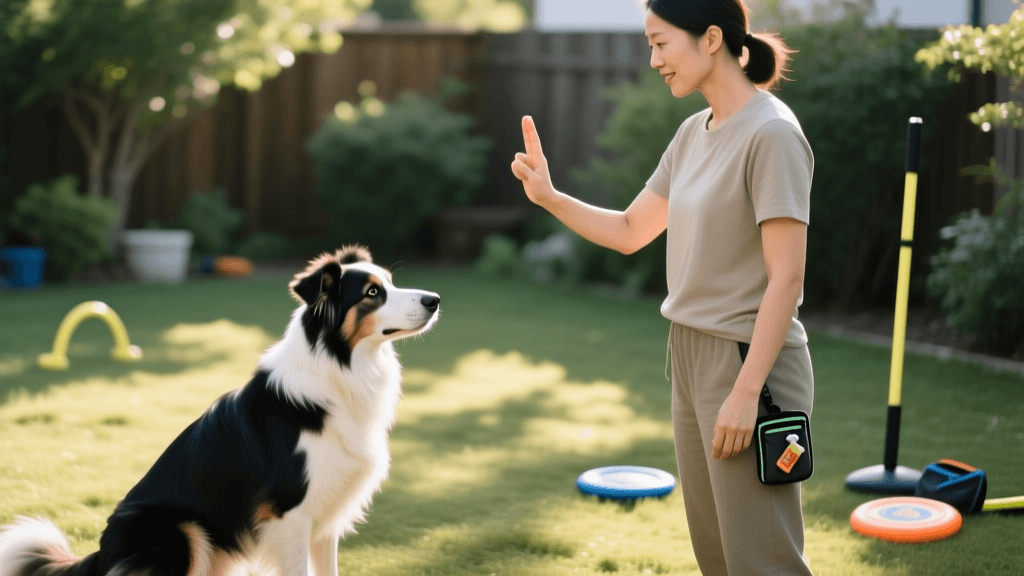
Border Collies are widely considered the gold standard for agility and advanced obedience. Bred to control sheep over vast distances, they possess an uncanny ability to read subtle body language and anticipate handler movements. However, their intense herding drive means they are highly sensitive to environmental motion. Training a Border Collie requires impeccable timing; rewarding a second too late can inadvertently reinforce an unwanted behavior like spinning or barking. They excel in 'shaping' exercises, where the dog learns to offer behaviors creatively to earn a click and treat.
2. The Golden Retriever: The Eager Pleaser
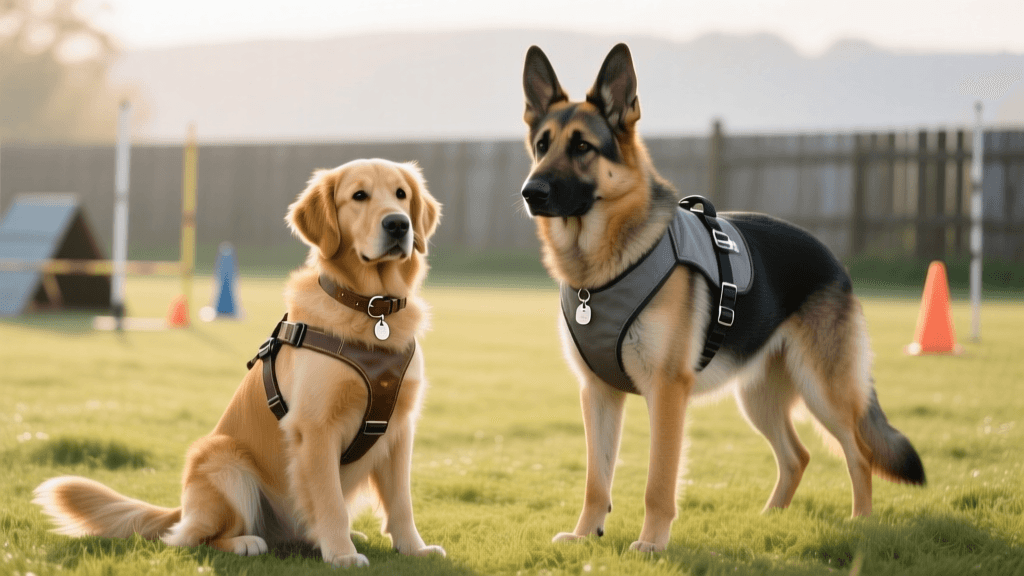
Golden Retrievers are the epitome of biddability. Bred to retrieve waterfowl gently, they possess a soft mouth, a forgiving temperament, and a deep-seated desire to work in partnership with humans. In obedience trials, their precision and enthusiasm for retrieving tasks make them standout competitors. While they may lack the razor-sharp turning speed of a herding breed on an agility course, their reliability on contact obstacles (like the A-frame and dog walk) is exceptional. They respond best to lure-and-reward training and thrive in highly social training environments.
3. The German Shepherd: The Focused Protector
German Shepherd Dogs (GSDs) bring a unique combination of physical power, high trainability, and intense handler focus to the sport. Originally bred for herding and later adapted for police and military work, they possess high defense and prey drives. In advanced obedience, their ability to maintain a 'down-stay' under extreme distraction is unparalleled. However, their protective instincts require early, rigorous socialization to ensure they remain confident rather than reactive in busy trial environments. The United States Dog Agility Association (USDAA) notes that larger, powerful breeds like the GSD require careful conditioning to protect their joints during high-impact jumping exercises.
Breed Comparison Chart
| Breed | Biddability (1-10) | Independent Drive | Standard Agility Jump Height | Est. First-Year Gear & Training Cost | Time to Novice Title (Avg) |
|---|---|---|---|---|---|
| Border Collie | 7 | Very High (Herding) | 20 or 24 inches | $800 - $1,200 | 12 - 18 Months |
| Golden Retriever | 10 | Moderate (Retrieving) | 20 or 24 inches | $600 - $900 | 18 - 24 Months |
| German Shepherd | 8 | High (Prey/Defense) | 20 or 24 inches | $900 - $1,400 | 15 - 20 Months |
Actionable Training Timetables and Methodologies
Regardless of the breed you select, a structured timeline is vital for physical and mental development. Puppies should never jump full heights or perform repetitive weave pole entries until their growth plates close (typically 14-18 months). Here is a foundational timetable:
Phase 1: Foundation and Flatwork (8 to 16 Weeks)
Focus on engagement, impulse control, and basic obedience. Keep sessions incredibly short—just 3 to 5 minutes, three times a day. Use high-value rewards like boiled chicken or freeze-dried liver. Teach a solid 'recall' and a 'hand target' (touching the nose to your palm), which will later be used for agility obstacle discrimination.
Phase 2: Body Awareness and Proprioception (4 to 9 Months)
Introduce equipment that builds core strength and rear-end awareness. Teach the dog to back up, pivot on a raised platform, and navigate unstable surfaces. This phase is crucial for injury prevention. Sessions can be extended to 10-15 minutes. Introduce 'flatwork' for agility, which involves running handling sequences on the flat ground without jumps, teaching the dog to follow your shoulder and foot cues.
Phase 3: Equipment Introduction (10 to 18 Months)
Once the dog is physically mature and has mastered flatwork, introduce jumps at the lowest possible height (4 to 8 inches). Introduce the teeter-totler and dog walk using a target mat at the bottom to ensure the dog safely hits the 'contact zone'. For obedience, begin proofing heelwork and retrieves with mild environmental distractions.
Essential Gear and Associated Costs
Investing in the right equipment accelerates the learning process and ensures safety. Here are specific product recommendations based on breed needs:
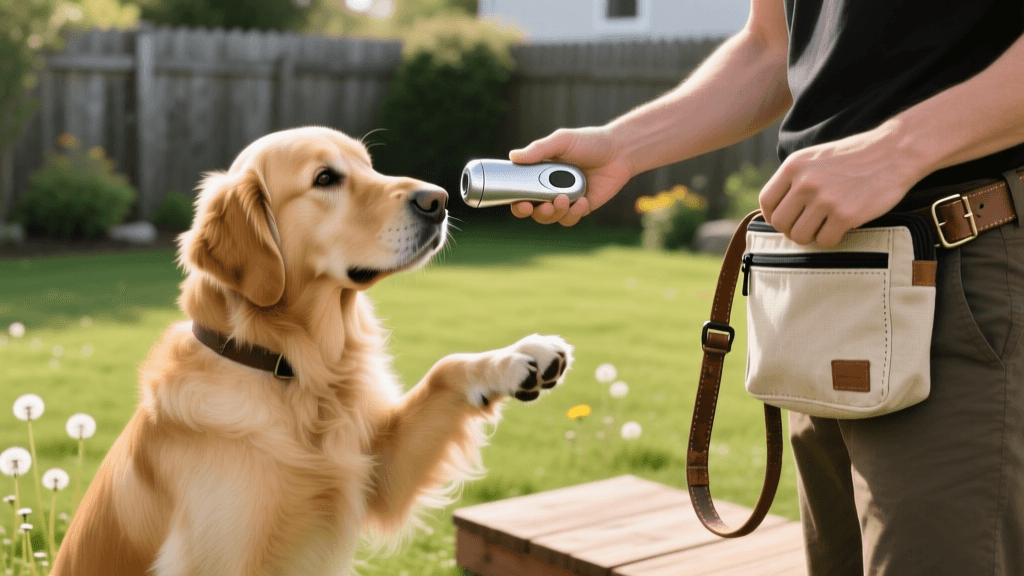
- Marker and Reward System: The Karen Pryor i-Click ($6) is the industry standard for precise behavioral marking. Pair this with the Dogoys Treat Pouch ($25), which features a quick-release hinge for rapid food delivery, essential for high-drive dogs like Border Collies.
- Raised Platforms: For body awareness and obedience 'place' commands, the Klimb Training Platform ($160) is highly durable and provides excellent traction. Golden Retrievers benefit greatly from this for teaching precise front-and-finish positions.
- Agility Jumps: The Affordable Agility Complete Set ($180) includes adjustable jumps, a chute, and weave pole bases. Always ensure jump cups are breakaway or dislodge easily to prevent leg injuries if the dog misjudges a stride.
- Motivational Tugs: For German Shepherds, food may not always be enough in high-distraction environments. A Leather Bite Tug ($35) allows you to use prey drive as a reward for completing complex obedience sequences.
Behavioral Conditioning and Socialization by Breed
The ASPCA's general dog care resources emphasize that early socialization is the bedrock of all behavioral conditioning. However, 'socialization' means different things for different breeds.
Pro Tip: Socialization is not about your dog playing with every person and dog they meet. It is about teaching your dog to remain neutral, calm, and focused on you in the presence of novel stimuli.
For Border Collies, conditioning must focus on 'arousal management'. Because they are visually stimulated, they can become reactive to moving cars, bikes, or other running dogs. Use the 'Look at That' (LAT) game, where the dog is clicked and treated for simply observing a trigger at a sub-threshold distance without reacting.
For Golden Retrievers, the challenge is often over-exuberance. They love everyone, which can lead to breaking a stay command to greet a stranger. Condition them to understand that a release cue (like 'Free' or 'Break') is the only way to access environmental rewards.
For German Shepherds, focus on environmental confidence and neutrality. Expose them to strange surfaces, loud noises, and people wearing hats or uniforms. Reward calm indifference. If a GSD shows leash reactivity, it is often rooted in a lack of confidence rather than pure aggression; counter-conditioning with high-value food at a distance is the most effective remedy.
Conclusion
Choosing between a Border Collie, a Golden Retriever, and a German Shepherd ultimately depends on your handling style, lifestyle, and training goals. If you want a lightning-fast partner and are willing to dedicate hours to mental stimulation, the Border Collie is unmatched. If you prioritize a joyful, forgiving companion for obedience and rally, the Golden Retriever is ideal. If you seek a versatile, intensely focused working dog with a strong protective instinct, the German Shepherd will rise to the occasion. By understanding their unique drives and utilizing the proper gear, timelines, and conditioning strategies, you can unlock the full competitive potential of any of these remarkable breeds.
tom-renshaw
All our authors care for dogs every day — read more of their work on the authors page.