Senior Dog Training Tips for Puppies: Creating a Harmonious Multi-Generational Home
Discover essential senior dog training tips for puppies. Learn how to manage boundaries, energy levels, and respect to create a peaceful multi-generational home.
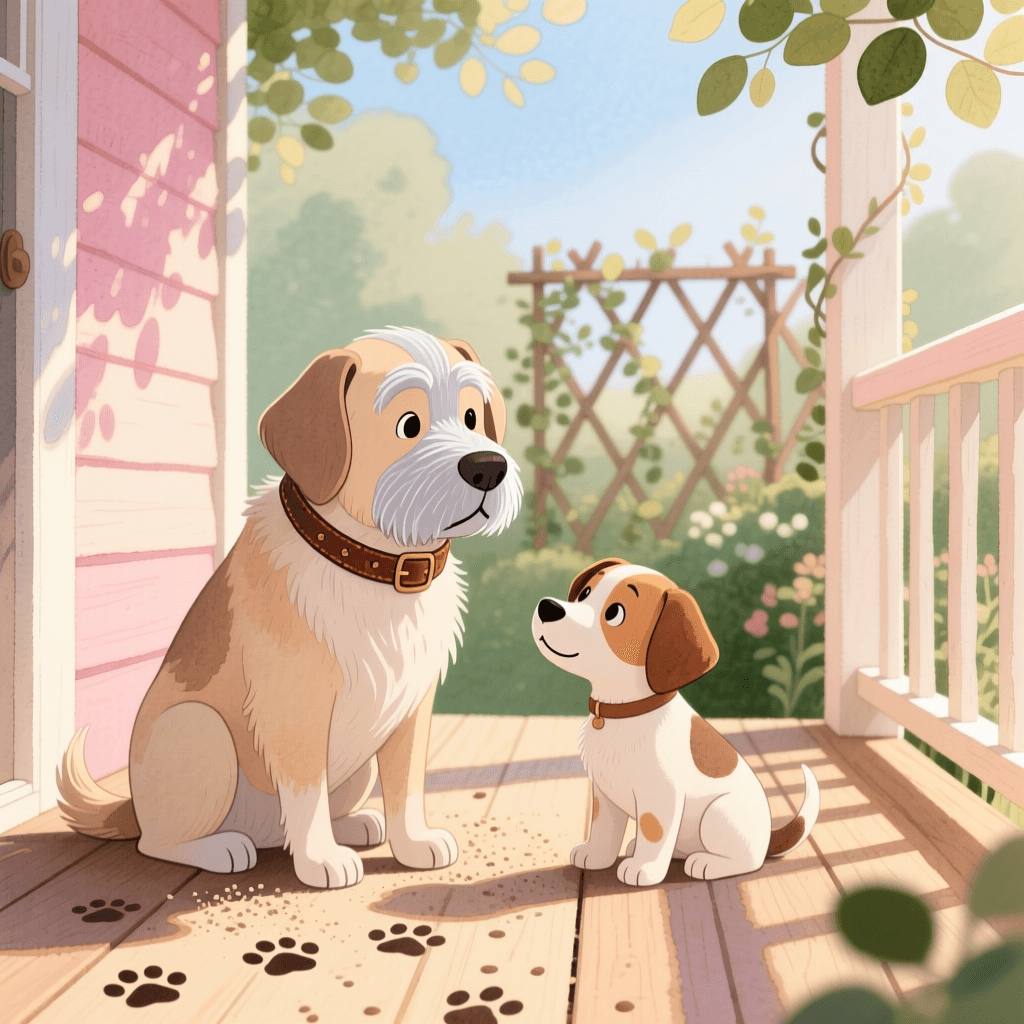
Bringing a new puppy into a home that already houses a senior dog is a beautiful, yet uniquely challenging, milestone. While the internet is filled with images of older dogs gently mentoring young pups, the reality of multi-generational canine households often involves chaotic energy clashing with a much-needed desire for peace & quiet. Puppies are naturally exuberant, teething, and entirely unaware of social boundaries, whereas senior dogs often deal with joint pain, diminished hearing, and a lower threshold for stress. To ensure a harmonious environment, the focus of your training must be twofold: managing the puppy's behavior to respect the older dog's boundaries, and providing the senior dog with the security they need to thrive.
This comprehensive guide explores the most effective senior dog training tips for puppies, breaking down the psychology of both age groups, providing step-by-step boundary training, and highlighting common mistakes that pet parents make during this delicate transition. Whether you have a gentle Golden Retriever entering their twilight years or a stoic German Shepherd who values their personal space, these strategies will help you foster a respectful and loving relationship between your newest and oldest family members.
Understanding the Generational Gap in Dogs
Before diving into specific training drills, it is crucial to understand the fundamental differences in how puppies and senior dogs experience the world. Puppies are in a critical developmental window where everything is a game, a chew toy, or a potential playmate. They lack impulse control and have not yet learned canine etiquette. On the other hand, senior dogs have spent years establishing a predictable routine. They know when they eat, when they sleep, and where they prefer to rest.
When a puppy enters the home, this routine is violently disrupted. Furthermore, senior dogs frequently suffer from age-related ailments such as osteoarthritis, dental disease, or sensory decline. A puppy jumping on a senior dog's back is not just annoying; it can be genuinely painful. Breeds known for their high endurance and working drive, like the Labrador Retriever, might mask their discomfort well, but the physical toll of dealing with a sharp puppy bite is significant. Recognizing that your older dog's patience is a finite resource is the first step in successful multi-dog management.
Preparing Your Home and Your Senior Dog
Preparation is the cornerstone of a successful introduction. You should begin adjusting your home environment and your senior dog's routine weeks before the puppy actually arrives. This prevents the older dog from associating the loss of their favorite comforts directly with the new arrival.
Step-by-Step Scent and Sound Introduction
Dogs experience the world primarily through their noses. Before bringing the puppy home, bring a blanket or toy that carries the puppy's scent and allow your senior dog to investigate it at their own pace. Pair this new scent with high-value treats, creating a positive association. Additionally, play recordings of puppy whining and barking at a low volume while feeding your senior dog, gradually increasing the volume over several days to desensitize them to the upcoming noise.
Establishing Independent Routines
If your senior dog is used to sleeping in your bed or having free roam of the house, now is the time to establish alternative, comfortable zones. Utilizing the techniques found in our crate training basics guide can be incredibly beneficial for both dogs. A crate or a designated pen provides the puppy with a safe timeout zone, while simultaneously guaranteeing that your senior dog has a guaranteed puppy-free sanctuary. Ensure your older dog's bed is placed in a low-traffic area where the puppy cannot easily ambush them.
Training the Puppy: Boundaries and Respect
The core of senior dog training tips for puppies revolves around teaching the younger dog impulse control and respect for personal space. You cannot expect the senior dog to discipline the puppy; it is entirely your responsibility to act as the boundary enforcer.
Mastering the
Paws&Tales
All our authors care for dogs every day — read more of their work on the authors page.