Mastering Multi-Dog Recall: Training the Come Command in Packs
Learn how to train a reliable recall in multi-dog households. Discover step-by-step strategies, gear recommendations, and pack management tips.

The Unique Challenge of Multi-Dog Recall
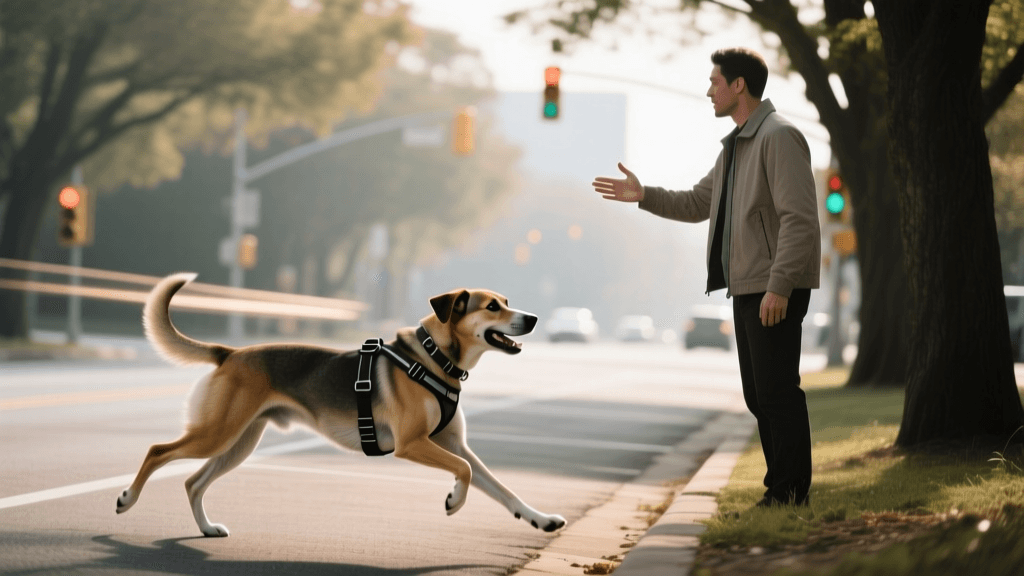
Owning multiple dogs brings immense joy, constant companionship, and a lively household. However, it also introduces complex training hurdles that single-dog owners rarely face. Among the most critical of these challenges is mastering the recall command—or teaching your dogs to reliably come when called. In a multi-dog home, the presence of a canine sibling creates a built-in distraction, a playmate, and a source of competition. When you call one dog, the other may interfere, or worse, the dogs may feed off each other's energy and choose to ignore you entirely in favor of their pack-mate. Mastering multi-dog recall requires a strategic, phased approach that prioritizes individual focus before introducing group dynamics.
The Psychology of Pack Recall
When dogs live together, they develop a shared social dynamic often referred to as 'pack mentality.' While dogs are not rigid pack animals in the way wolves are, they do engage in social facilitation, meaning the behavior of one dog heavily influences the behavior of the other. If Dog A decides to chase a squirrel, Dog B is highly likely to join in, regardless of their individual training levels. This phenomenon makes a reliable recall exceptionally difficult because you are not just competing against environmental distractions; you are competing against the deep-seated social bond and interactive play drive your dogs share with one another.
According to the American Kennel Club (AKC), recall is arguably the most important command your dog can learn, acting as a critical lifeline in emergency situations. In multi-dog homes, this lifeline must be individually reinforced before it can be relied upon collectively.
Essential Gear for Pack Recall Training
Before initiating a multi-dog recall protocol, you must equip yourself with the right tools to manage two or more dogs safely without tangling lines or losing control. Budgeting for high-quality gear will save you time and frustration.
- Biothane Long Lines ($25 to $45 each): Avoid standard nylon leashes, which become heavy when wet and tangle easily. Biothane is a waterproof, durable material that glides through your hands. Purchase 30-foot lines for each dog. For dogs under 40 lbs, a 1/2-inch width is sufficient; for dogs over 40 lbs, opt for a 3/4-inch width to prevent leash burn on your hands.
- Magnetic Closure Treat Pouch ($20 to $35): A reliable recall requires a strict reward timing window of 1.5 seconds. Fumbling with zippers or velcro will cause you to miss this window. The Ruffwear Treat Trader or similar magnetic-closure pouches allow instant access to rewards.
- High-Value Training Treats ($15 to $25 per bag): Kibble will not cut it when competing against a canine sibling. Use single-ingredient, high-value treats like Stella & Chewy's Freeze-Dried Raw Beef Liver or Ziwi Peak air-dried venison. Break these into 1/4-inch cubes to keep calorie intake manageable during repetitive training sessions.
- Distinct Verbal Cues and Whistles ($10 to $20): Consider using an acoustic dog whistle (like the Acme 211.5) to cut through outdoor noise and the sound of dogs playing. You can also assign slightly different verbal cues or pitches to each dog to prevent confusion when calling them simultaneously.
Step-by-Step Multi-Dog Recall Training Plan
Attempting to train a group recall without first establishing individual reliability is a recipe for failure. Follow this three-phase protocol to build a bulletproof recall in your multi-dog household.
Phase 1: Isolated Baseline Training
You cannot build a house on a shaky foundation. Phase 1 requires you to separate your dogs completely. Train each dog individually in a low-distraction environment, such as a quiet hallway or a fenced yard when the other dog is inside. Use the 30-foot Biothane long line to give your dog freedom to roam while maintaining physical control. Call your dog using an enthusiastic, high-pitched tone. The moment they turn toward you, gently reel in the line if they hesitate, and deliver a high-value treat within 1.5 seconds of their arrival. Practice this until the dog responds with 95% reliability on a long line before moving to Phase 2.
Phase 2: Parallel Training
Once both dogs have achieved individual reliability, bring them into the same environment, but keep them tethered on their respective long lines. The goal here is to teach impulse control and focus amidst the distraction of their sibling. Have a family member hold one dog's line while you work on recall with the other, then swap. This teaches the non-working dog to remain calm and stationary while their sibling is called and rewarded. If the tethered dog becomes overly excited or attempts to interfere, increase the distance between them. Gradually decrease the distance over several weeks as their impulse control improves.
Phase 3: Simultaneous and Sequential Recall
This is the ultimate test. With both dogs off-leash in a secure, fenced area, practice calling them at the same time. Use a collective cue like 'Dogs, come!' and reward both heavily when they arrive. Once the simultaneous recall is reliable, practice sequential recalls. Call Dog A by name while Dog B is actively playing. Reward Dog A, then release them back to play, and immediately call Dog B. This prevents the 'recall penalty' effect, where dogs learn that being called means the fun is over for the entire pack.
Training Metrics: Individual vs. Group Sessions
Understanding the differences in time, focus, and setup between individual and group training sessions will help you structure your weekly training schedule effectively.
| Training Phase | Setup Requirement | Avg. Duration | Primary Challenge | Reward Frequency |
|---|---|---|---|---|
| Phase 1: Isolated | One dog, quiet room/yard | 10-15 mins | Building baseline focus | Every successful rep |
| Phase 2: Parallel | Both dogs present, tethered | 15-20 mins | Ignoring the other dog | Variable reinforcement |
| Phase 3: Simultaneous | Both dogs off-leash in yard | 5-10 mins | Pack mentality & competition | Jackpot rewards |
Managing the Pack Mentality and Distractions
Even with a solid foundation, the pack mentality can flare up during moments of high arousal. To manage this, you must become more interesting than the pack dynamic. Incorporate 'jackpot' rewards—where you give 5 to 10 small treats in rapid succession—when a dog chooses to leave their playing sibling to come to you. Additionally, never call your dogs to you for something they perceive as negative, such as a bath, nail trimming, or being crated while the other dog stays out. If you must perform an unpleasant task, go to the dog, leash them calmly, and lead them away rather than using your recall cue.
Troubleshooting Common Multi-Dog Recall Issues
The 'Follow the Leader' Effect
Often, Dog A will respond to the recall, but Dog B will ignore you and run in the opposite direction, knowing that Dog A's compliance satisfies your command. To fix this, you must enforce individual accountability. If you call Dog B and they ignore you, calmly walk out to them, attach their long line, and guide them back to the original recall spot. Do not reward them, but do not punish them either. Simply reset the scenario and try again from a shorter distance.
Handler Resource Guarding
When two dogs sprint toward you for a high-value treat, the competitive atmosphere can trigger resource guarding. One dog may snap or body-block the other upon arrival. To prevent this, train a 'place' or 'mat' command. When you call the dogs, direct them to separate mats placed a few feet apart. Reward them on their respective mats. This creates physical boundaries and eliminates the friction of competing for the same physical space and handler attention.
The Recall Penalty
The RSPCA emphasizes that recall training should always be associated with positive outcomes. If a dog expects a bath or the end of playtime when called, their reliability will plummet, especially when a canine sibling is still having fun. To combat this, practice the 'catch and release' method. Call your dogs, reward them with a high-value treat, give a quick pet, and then issue a release cue like 'Go play!' Sending them back to the fun they were just enjoying proves to them that coming to you does not mean the end of their freedom.
Conclusion
Training a reliable recall in a multi-dog household is undeniably more complex than training a single pet, but it is entirely achievable with patience, the right gear, and a structured approach. By respecting the psychology of the pack, investing in proper long lines and high-value rewards, and meticulously progressing through isolated, parallel, and simultaneous training phases, you can build a recall that holds up even in the face of intense canine distractions. Remember that consistency is your greatest asset. Protect your recall cue, make yourself the most rewarding part of your dogs' environment, and enjoy the peace of mind that comes with a truly reliable pack.
hannah-wickes
All our authors care for dogs every day — read more of their work on the authors page.