Senior Dog Training: Adapting Techniques For Older Dogs
Discover how to adapt obedience training for senior dogs. Learn gentle techniques, joint-friendly exercises, and cognitive enrichment for aging pets.
The Myth of the Untrainable Senior Dog
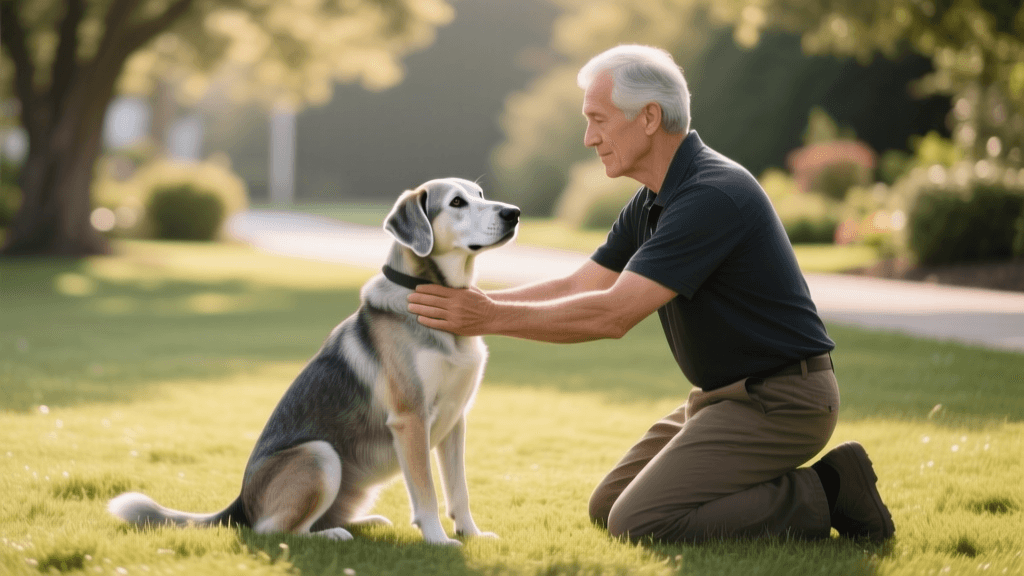
The old adage claims that you cannot teach an old dog new tricks, but modern veterinary behaviorists and professional dog trainers wholeheartedly disagree. In fact, training a senior dog is not only entirely possible, but it is also a critical component of life stage care. As dogs age, their physical capabilities and cognitive functions naturally shift, requiring a tailored approach to obedience and behavioral conditioning. According to the American Kennel Club (AKC), senior dogs often possess a longer attention span and a calmer demeanor than hyperactive puppies, making them excellent candidates for learning new cues, refining old ones, and engaging in low-impact trick training. Adapting your training techniques to suit your aging canine's life stage ensures they remain mentally sharp, physically comfortable, and deeply bonded to you throughout their golden years.
Physical Adjustments for Aging Bodies
The most significant barrier to training older dogs is physical discomfort. Conditions like osteoarthritis, hip dysplasia, and general muscle atrophy can make traditional obedience exercises—such as sit, down, and roll over—painful or even impossible. Before initiating any training regimen, it is vital to assess your dog's mobility. The American Veterinary Medical Association (AVMA) recommends bi-annual veterinary check-ups for senior dogs to monitor joint health and manage pain effectively.
To adapt your training environment, replace slippery hardwood floors with high-traction surfaces. Interlocking foam mats or thick yoga mats provide the necessary grip for dogs with weakened hindquarters. When teaching or reinforcing the 'down' command, consider using an elevated, orthopedic dog bed to save your dog from the effort of lowering and raising their aching joints from the floor. Avoid repetitive jumping or high-impact tricks like 'spin' or 'jump through a hoop.' Instead, focus on stationary tricks such as 'touch' (targeting your hand with their nose), 'speak,' or 'hold' (carrying a soft plush toy). Keep training sessions incredibly brief—no longer than three to five minutes—to prevent muscle fatigue and joint stiffness.
Navigating Sensory Decline
Age-related sensory loss, particularly in hearing and vision, profoundly impacts how a dog receives and processes training cues. If your senior dog is experiencing presbycusis (age-related hearing loss), verbal markers like 'good boy' or 'yes' may no longer register. Transitioning to visual hand signals is a highly effective adaptation. For example, a flat palm facing down can replace the verbal 'down,' while a raised index finger can signal 'wait' or 'stay.' If your dog's vision is also failing, you can introduce tactile markers. A gentle, distinct tap on the shoulder or the use of a vibration collar (strictly a non-shock, gentle vibration cue like the PetSafe Gentle Vibration Collar, which costs around $40) can serve as a reliable marker to indicate that a reward is coming.
For visually impaired seniors, scent-based training and games become invaluable. Teaching your dog to identify specific essential oils (like lavender or anise) using a 'find it' cue engages their primary sense and builds confidence without relying on sight or sound. This form of nose work is a staple in senior dog enrichment programs and provides immense mental satisfaction.
Cognitive Enrichment and Canine Cognitive Dysfunction
Just as humans can experience cognitive decline, dogs can develop Canine Cognitive Dysfunction (CCD), a condition similar to Alzheimer's disease in humans. The ASPCA notes that signs of CCD include disorientation, altered sleep-wake cycles, house-soiling, and changes in social interactions. While training cannot cure CCD, consistent cognitive enrichment can slow the progression of symptoms and improve your dog's quality of life.
Food puzzle toys are excellent tools for cognitive conditioning. Instead of feeding your senior dog from a standard stainless steel bowl, use puzzle feeders that require them to slide, lift, or nudge compartments to release their kibble. This stimulates neural pathways and encourages problem-solving. Additionally, teaching a completely novel, low-impact trick—such as crossing their paws or resting their chin on a target—forces the brain to form new synaptic connections, effectively building cognitive reserve.
Comparison Chart: Puppy vs. Senior Dog Training
| Training Variable | Puppy (8 Weeks - 6 Months) | Senior Dog (7+ Years) |
|---|---|---|
| Session Length | 5 to 10 minutes, multiple times a day | 2 to 5 minutes, 1 to 2 times a day |
| Primary Motivation | Play, social interaction, high-value treats | High-value, soft, aromatic treats, gentle praise |
| Physical Demands | High (running, jumping, fetching) | Low (stationary tricks, scent work, targeting) |
| Environmental Needs | Distraction-free to mildly stimulating | Orthopedic support, high-traction flooring, climate-controlled |
| Cue Delivery | Verbal markers and basic hand signals | Hand signals, tactile cues, scent markers |
Recommended Products and Costs for Senior Training
Investing in the right gear ensures your senior dog remains comfortable and motivated during training sessions. Here are specific, actionable product recommendations:
- Zuke's Mini Naturals Treats ($8 - $12 per 16oz bag): These are ideal for senior dogs because they are only 3 calories per treat and have a soft, chewy texture that is easy on aging teeth. Break them into pea-sized pieces to keep caloric intake in check, as senior dogs have slower metabolisms.
- Snuffle Mat by Paw5 ($30 - $45): A fantastic tool for scent work and slow feeding. Scatter your dog's daily kibble allowance into the fabric folds and cue 'find it.' This provides 15 minutes of mental stimulation that equates to the physical exhaustion of a long walk, without stressing their joints.
- K9 Ballistics Tough Orthopedic Bed ($120 - $180): A supportive, chew-resistant bed with memory foam. Use this as a designated 'place' or 'mat' command station. The elevated edges provide a sense of security, and the foam prevents calluses and joint pain during stationary training.
- Muttluks Original Fleece-Lined Dog Boots ($60 - $80): If your senior dog struggles with traction on hardwood floors even with mats, these boots provide grip and protect thinning paw pads during indoor mobility training.
A Sample 5-Minute Senior Training Routine
To put these concepts into practice, here is a gentle, joint-friendly training routine you can perform daily. Ensure your dog is on a non-slip surface before beginning.
Minute 1: The 'Touch' Target. Hold your palm two inches from your dog's nose. When they lean forward to sniff or bump your hand, use your chosen marker (a gentle tactile tap or a visual thumbs-up) and reward with a Zuke's Mini Natural. Repeat five times. This builds focus without requiring them to move their hindquarters.
Minute 2: Chin Rest. Hold a small, soft towel or a padded target stick at chest height. Lure your dog's nose downward so their chin rests on the pad. Mark and reward. This is a wonderful, calming trick that also helps with husbandry and veterinary exams.
Minute 3: Scent Discrimination. Place two identical opaque cups upside down. Hide a strong-smelling treat under one. Use the 'find it' cue and let your dog use their nose to indicate the correct cup. Reward heavily for success.
Minute 4: Gentle Stretching. Use a treat to slowly lure your dog's nose toward their shoulder (left, then right), holding for three seconds to encourage a gentle neck stretch. Mark and reward. This maintains cervical spine flexibility.
Minute 5: Decompression. End the session by scattering a handful of kibble on a snuffle mat or a textured rug. Allow your dog to forage peacefully, signaling that the work is done and it is time to relax.
Conclusion
Training a senior dog is an act of profound empathy and love. By shifting your focus from physical obedience to cognitive enrichment and sensory adaptation, you honor the life stage your dog is in. The AVMA emphasizes that proactive mental and physical care is the cornerstone of senior pet wellness. With the right adjustments, patience, and low-impact techniques, you can keep your older dog's mind sharp, their spirit engaged, and your bond stronger than ever during their twilight years.
priya-sutaria
All our authors care for dogs every day — read more of their work on the authors page.