Senior Dog Training: Adapting Tricks and Obedience for Aging Pets
Discover how to adapt obedience training and tricks for your senior dog. Learn age-appropriate exercises, joint-friendly gear, and cognitive care tips.
Training a senior dog is one of the most rewarding experiences a pet parent can have. While the internet is flooded with puppy socialization checklists and adolescent leash-walking guides, the aging canine population is often overlooked in the training sphere. As dogs enter their golden years—typically around age seven for large breeds and age ten for smaller breeds—their physical capabilities and cognitive functions begin to shift. However, this does not mean their capacity to learn diminishes. In fact, continuing obedience training and introducing new, low-impact tricks are vital components of comprehensive life stage care. According to the ASPCA, senior dogs benefit immensely from consistent mental stimulation, which helps maintain neural pathways and delays the onset of Canine Cognitive Dysfunction (CCD). This guide will walk you through adapting your training approach, selecting joint-friendly gear, and implementing cognitive enrichment exercises tailored specifically for your senior companion.
Why Continue Training Your Senior Dog?
Many pet parents mistakenly believe that training is exclusively for young dogs. In reality, the phrase 'you can't teach an old dog new tricks' is a complete myth. Older dogs often possess longer attention spans and lower energy levels than puppies, making them excellent candidates for precision training and focus work. Furthermore, training provides a structured routine that reduces anxiety in aging dogs who may be experiencing sensory decline, such as diminished hearing or vision. The American Veterinary Medical Association (AVMA) emphasizes that mental enrichment is a cornerstone of senior pet care, directly correlating with a higher quality of life and prolonged cognitive health.
Physical Considerations and Joint-Friendly Gear
Before initiating any training session with a senior dog, it is crucial to assess their physical comfort. Arthritis, hip dysplasia, and general muscle atrophy are common in older dogs. Forcing a dog with joint pain into repetitive 'sit' or 'down' commands can cause unnecessary distress and create negative associations with training. Instead, focus on creating an environment that supports their aging body.
Recommended Gear for Senior Training
Investing in the right equipment ensures your dog remains stable and comfortable during learning exercises. Below is a comparison chart of essential gear for senior dog training:
| Product Category | Recommended Item | Estimated Cost | Primary Benefit |
|---|---|---|---|
| Traction Mat | Gorilla Grip Rug Pad (2x3 ft) | $15 - $20 | Prevents slipping during 'stay' or 'stand' commands on hardwood floors. |
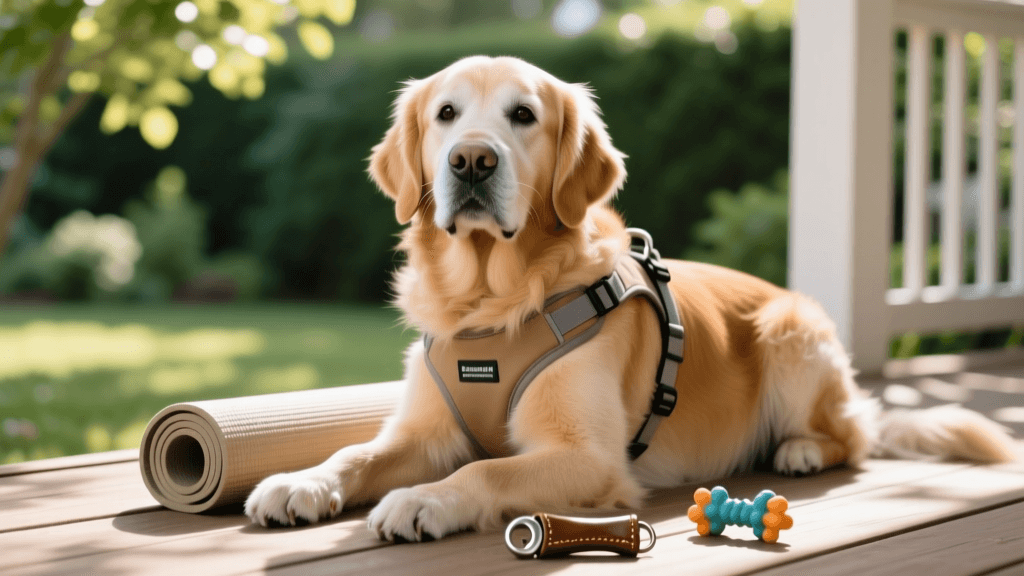
| Support Harness | Rabbitgoo No-Pull Harness | $20 - $25 | Provides chest support for luring without straining the neck or spine. |
| Orthopedic Bed | Kuranda Chewproof Cot | $110 - $150 | Elevated, firm support for 'place' command training and resting between reps. |
| Low-Calorie Treats | Zuke's Mini Naturals | $6 - $8 (6oz) | Under 2 calories per treat, ideal for high-repetition sessions without weight gain. |
Adapting Obedience Commands for Limited Mobility
Traditional obedience relies heavily on repetitive joint flexion. If your dog struggles with mobility, you must adapt your expectations and the commands themselves. The goal is communication and cooperation, not rigid adherence to competitive obedience standards. Here is a structured list comparing traditional commands with senior-friendly alternatives:
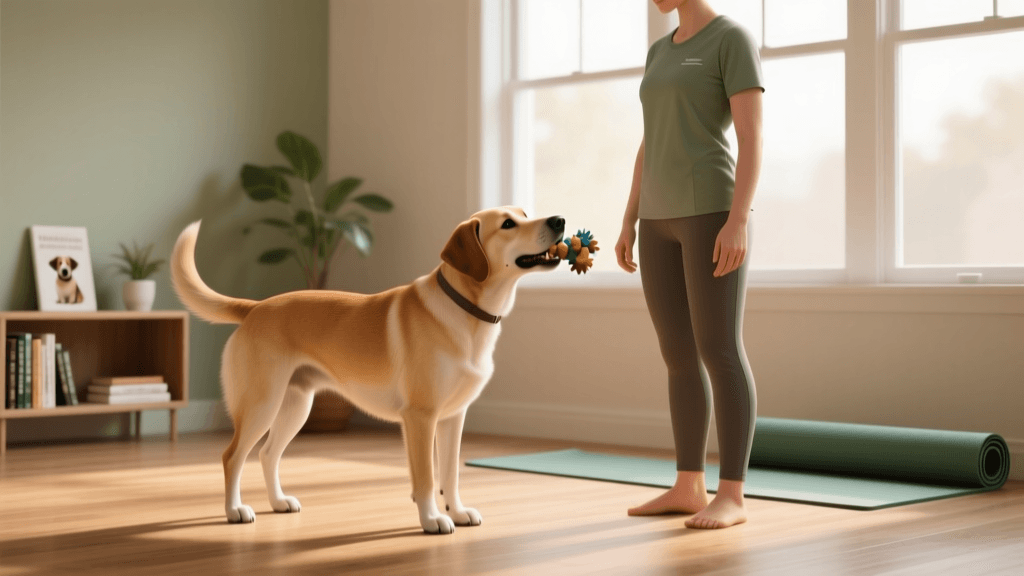
- Traditional 'Sit': Requires deep flexion of the hips and knees. Senior Alternative: Teach a 'Stand-Stay' or a modified 'Tuck-Sit' using a raised, stable platform (like a sturdy wooden box) to reduce the distance the dog must lower their hindquarters.
- Traditional 'Down': Can be painful for dogs with elbow dysplasia. Senior Alternative: 'Chin Rest' or 'Targeting'. Teach the dog to rest their chin on a designated mat or your hand, which keeps them grounded without requiring full elbow extension.
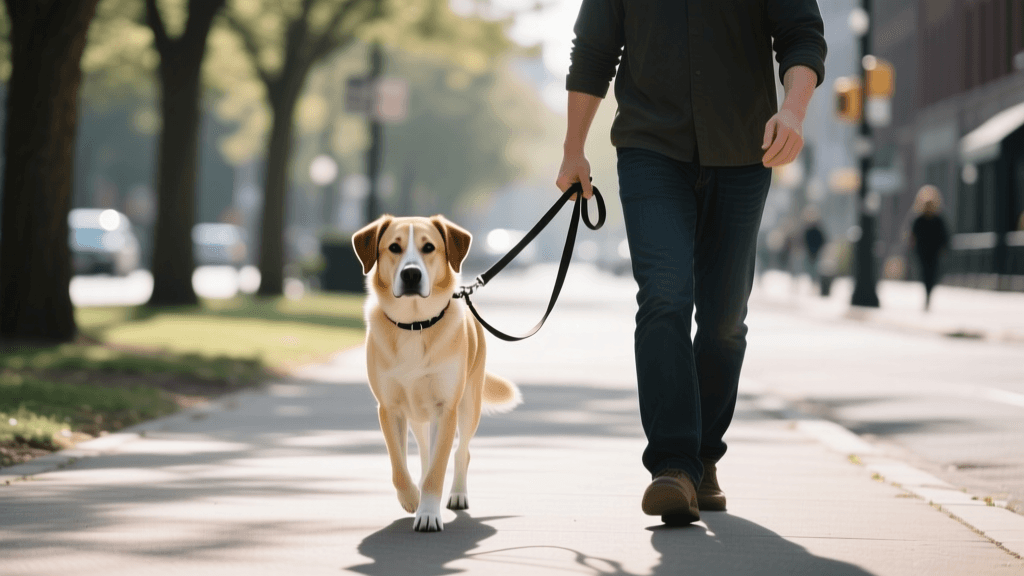
- Traditional 'Recall' (Come): Running to the owner can exacerbate spinal or joint issues. Senior Alternative: 'Touch'. Teach the dog to walk at a comfortable pace and touch their nose to your palm, rewarding calm, controlled movement rather than speed.
Cognitive Enrichment and Low-Impact Tricks
When physical exertion is limited, cognitive exercises become your primary tool for burning mental energy and maintaining obedience. Scent work is widely considered the ultimate senior dog activity. It engages the dog's most powerful sense, requires minimal physical movement, and builds immense confidence. The Humane Society of the United States advocates for scent-based games as a primary enrichment tool for older pets experiencing sensory changes.
Step-by-Step Scent Work Setup
- Gather Supplies: You will need cotton swabs, small metal tins with holes punched in the lids, and a dog-safe essential oil like birch or anise (cost: ~$15 for a starter kit).
- Imprinting: Rub the essential oil on a cotton swab and place it in a tin. Hold the tin in your hand and feed a high-value treat (like boiled chicken breast, approx. $5/lb) from your other hand every time the dog sniffs the tin. Repeat this 10-15 times over three days.
- The Search: Place the tin on the floor in plain sight. When the dog approaches and sniffs, mark the behavior with a 'Yes!' and reward. Gradually move the tin behind furniture legs or under low chairs, allowing the dog to use their nose to locate the source.
'Mental stimulation is just as critical as physical exercise for aging dogs. Engaging their natural foraging and scenting instincts can delay the onset of cognitive decline and improve overall quality of life.' — Adapted from senior care guidelines by The Humane Society of the United States
Training Schedule, Timing, and Dietary Adjustments
Senior dogs fatigue much faster than their younger counterparts. A 30-minute training session that a two-year-old Border Collie would relish might leave a ten-year-old Labrador exhausted and sore. Adjust your training schedule to match their physiological needs.
- Session Length: Keep sessions strictly between 3 to 5 minutes.
- Frequency: Aim for 2 to 3 micro-sessions per day, ideally spaced between morning and evening meals.
- Treat Management: Because senior dogs have slower metabolisms, they are prone to obesity, which exacerbates joint pain. If you are using commercial treats like Zuke's Mini Naturals, deduct the equivalent caloric value from their daily kibble ration. For a 50lb senior dog requiring roughly 900 calories a day, training treats should not exceed 45 calories (approx. 20 mini treats) per session.
Conclusion: Embracing the Golden Years
Training a senior dog is an act of profound empathy and love. By adapting your methods, investing in supportive gear, and focusing on cognitive enrichment, you honor the years of loyalty your dog has provided. Remember to consult with your veterinarian before starting any new training regimen, especially if your dog has a history of orthopedic or neurological issues. With patience, modified commands, and a focus on mental acuity, your senior dog can continue to learn, thrive, and enjoy a deeply fulfilling life by your side.
robin-maitland
All our authors care for dogs every day — read more of their work on the authors page.