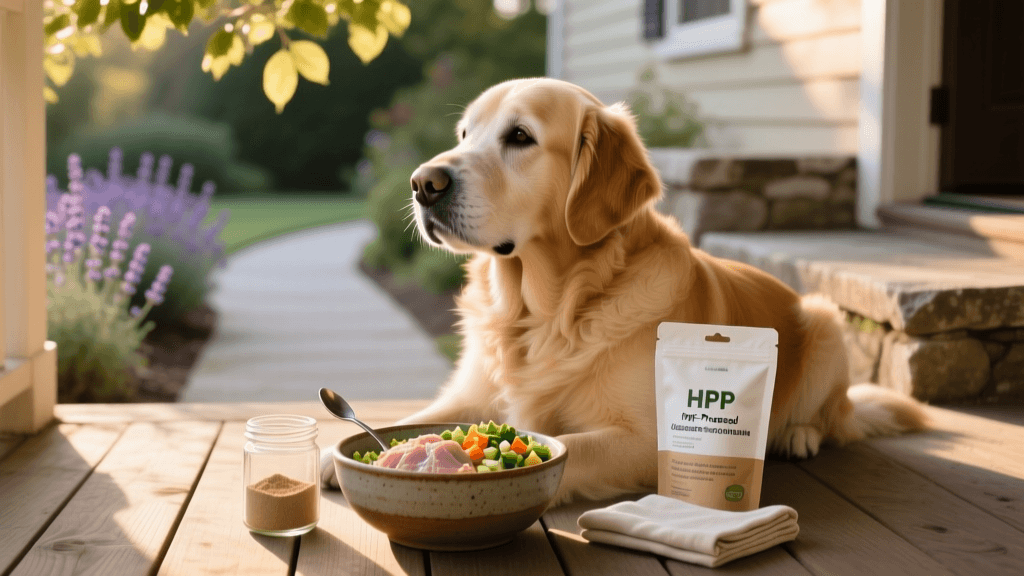
Senior Dog Raw Diet 2026: Safe Transition & Joint Care
Discover how to safely transition your senior dog to a raw diet in 2026. Learn modified protein ratios, joint supplements, and HPP safety tips.
The Evolution of Senior Canine Nutrition in 2026
As we navigate the canine nutrition landscape in 2026, the shift toward raw, fresh, and alternative diets has moved from a fringe movement to a highly researched, science-backed approach. For senior dogs, typically defined as those over the age of seven, dietary needs change drastically. Metabolism slows, digestive efficiency decreases, and joint degradation becomes a primary concern. While traditional extruded kibble has long been the default, many pet parents are now turning to commercially prepared raw diets to offer their aging companions highly bioavailable nutrients. However, feeding a senior dog raw requires more than just swapping kibble for meat; it demands a strategic modification of ratios, careful attention to pathogen safety, and targeted joint supplementation.
Biological Changes in the Aging Digestive Tract
Before altering your senior dog's diet, it is crucial to understand the physiological changes occurring in their gastrointestinal system. According to resources from the Cornell University College of Veterinary Medicine, aging dogs often experience a decrease in stomach acid production and slower intestinal motility. This means that the robust digestive fire required to break down raw meaty bones and dense muscle meats may be diminished. Consequently, a standard raw diet designed for an active adult dog can lead to constipation, indigestion, or nutrient malabsorption in a senior dog. Adjusting the physical composition of the raw food is the first step toward a successful transition.
Modified Raw Ratios for Senior Dogs
The traditional prey-model raw diet follows an 80/10/5/5 ratio: 80% muscle meat, 10% raw edible bone, 5% liver, and 5% other secreting organs. In 2026, veterinary nutritionists frequently recommend a modified ratio for senior dogs to accommodate their slower digestive transit times and reduced bone-density requirements.
The 85/5/5/5 Senior Modification
- 85% Muscle Meat: Increasing the muscle meat percentage provides easily digestible, high-quality protein. Lean proteins like turkey, rabbit, and venison are preferred over heavier red meats like beef, which can be harder on an aging liver.
- 5% Raw Edible Bone: Reducing the bone content from 10% to 5% is critical. Excess bone in a senior dog's diet frequently leads to hard, chalky stools and severe constipation. By halving the bone content, you maintain calcium levels while preventing gastrointestinal blockages.
- 5% Liver & 5% Secreting Organs: These remain unchanged to ensure adequate intake of fat-soluble vitamins, iron, and essential trace minerals.
To make up for the reduced bone volume, many raw feeders in 2026 incorporate a calcium carbonate or eggshell powder supplement to maintain the correct calcium-to-phosphorus ratio without the mechanical burden of grinding raw bones through an aging digestive tract.
Essential Joint Supplements for Raw-Fed Seniors
One of the most significant drawbacks of a homemade or standard commercial raw diet is the lack of synthesized joint-supporting compounds often found in premium senior kibbles. Because raw diets consist primarily of muscle meat and organs, they can be high in phosphorus and omega-6 fatty acids, which can promote inflammation if not balanced correctly. To combat osteoarthritis and joint stiffness, targeted supplementation is non-negotiable.
| Supplement Type | Primary Benefit | Recommended Dosage (50lb Dog) | Bioavailability |
|---|---|---|---|
| Green Lipped Mussel (GLM) | Rich in ETA (eicosatetraenoic acid) for inflammation reduction | 15-20 mg per lb of body weight daily | High (Whole food source) |
| UC-II (Undenatured Type II Collagen) | Modulates immune response to prevent cartilage breakdown | 10 mg daily (standardized) | Very High (Targeted immune modulation) |
| Wild Alaskan Salmon Oil | Provides EPA/DHA to lubricate joints and support cognitive function | 300-400 mg combined EPA/DHA daily | High (Triglyceride form preferred) |
| Glucosamine HCl | Provides building blocks for synovial fluid and cartilage repair | 500-1000 mg daily | Moderate (Synthetic derivative) |
In 2026, UC-II collagen has largely overtaken traditional Glucosamine HCl in veterinary recommendations due to its ability to work with the immune system to halt the destruction of joint cartilage, requiring a much smaller daily dose and offering superior clinical outcomes for aging dogs.
Pathogen Safety: The Role of HPP Technology
Feeding raw meat always carries an inherent risk of bacterial contamination, such as Salmonella, Listeria, and E. coli. This risk is amplified in senior dogs, whose immune systems are naturally waning. The U.S. Food and Drug Administration (FDA) consistently warns pet owners about the zoonotic and health risks associated with unprocessed raw meat. To mitigate this, the raw pet food industry has widely adopted High-Pressure Processing (HPP).
HPP is a cold-pasteurization technique that subjects the packaged raw food to immense hydrostatic pressure (up to 87,000 psi). This pressure crushes the cellular walls of pathogenic bacteria, effectively neutralizing them without the use of heat. Because no heat is applied, the raw food retains its natural enzymes, amino acid profiles, and moisture content. When selecting a commercial raw diet for a senior dog in 2026, opting for an HPP-treated brand like We Feed Raw, Primal Pet Foods, or Stella & Chewy's provides the nutritional benefits of raw meat with the safety profile of a cooked diet.
The 14-Day Senior Transition Protocol
Transitioning a senior dog to raw must be done with extreme patience. A rushed transition can cause severe diarrhea, vomiting, and systemic stress. Follow this modified 14-day protocol designed specifically for aging digestive systems.
Days 1 to 4: The Introduction Phase
Begin by replacing 25% of your dog's current kibble with a single-protein, HPP-treated raw food. Turkey or chicken are excellent starting proteins. Introduce a canine-specific digestive enzyme powder (such as ProZyme or Nupro) to the meal to assist the aging pancreas in breaking down the new proteins. Monitor stool consistency closely; if stools become loose, hold at this 25% ratio for an additional three days before proceeding.
Days 5 to 9: The Adaptation Phase
Increase the raw portion to 50%. At this stage, you can begin introducing a high-quality, dog-specific probiotic containing Lactobacillus acidophilus and Bifidobacterium animalis. Probiotics help establish a robust microbiome capable of handling the diverse bacterial load naturally present in raw diets, even those treated with HPP.
Days 10 to 14: The Full Transition
Move to 75% raw, and finally 100% raw by day 14. Begin incorporating the joint supplements outlined in the table above. If you are utilizing the modified 85/5/5/5 senior ratio, ensure you are adding your calcium carbonate supplement at this stage to balance the phosphorus in the muscle meat.
"The key to feeding raw to senior dogs is not just about the ingredients, but the bioavailability and the safety of the preparation. HPP technology and targeted joint modulation have made raw feeding safer and more effective for older dogs than ever before." — Board-Certified Veterinary Nutritionist Perspective, 2026.
Cost Analysis and Sourcing in 2026
Feeding a raw diet is undeniably more expensive than traditional kibble. In 2026, the average cost for premium, HPP-treated commercial raw food ranges from $4.50 to $7.50 per pound. For a 50-pound senior dog requiring approximately 1 to 1.25 pounds of food per day, pet parents should budget between $135 and $225 per month. While this is a significant financial commitment, many owners find that the reduction in veterinary bills related to gastrointestinal issues, dental disease, and joint pain offsets the initial cost of the food.
Final Veterinary Considerations
Before initiating any raw diet, especially for a senior dog with pre-existing conditions like chronic kidney disease (CKD) or pancreatitis, a consultation with your primary veterinarian is mandatory. The American Veterinary Medical Association (AVMA) emphasizes the importance of regular health screenings for pets on alternative diets. Request a comprehensive senior blood panel and a urinalysis every six months to monitor liver enzymes, kidney values, and overall metabolic health. By combining the biological appropriateness of a modified raw diet with rigorous veterinary oversight and modern food safety technologies, you can provide your senior dog with a vibrant, comfortable, and well-nourished golden chapter.
priya-sutaria
All our authors care for dogs every day — read more of their work on the authors page.