Senior Dog Joint Care: Mobility Guide for Aging Pets
Discover essential joint care and mobility tips for senior dogs. Learn about supplements, exercises, and home modifications to keep your aging pet comfortable.
The Golden Years: Understanding Canine Osteoarthritis
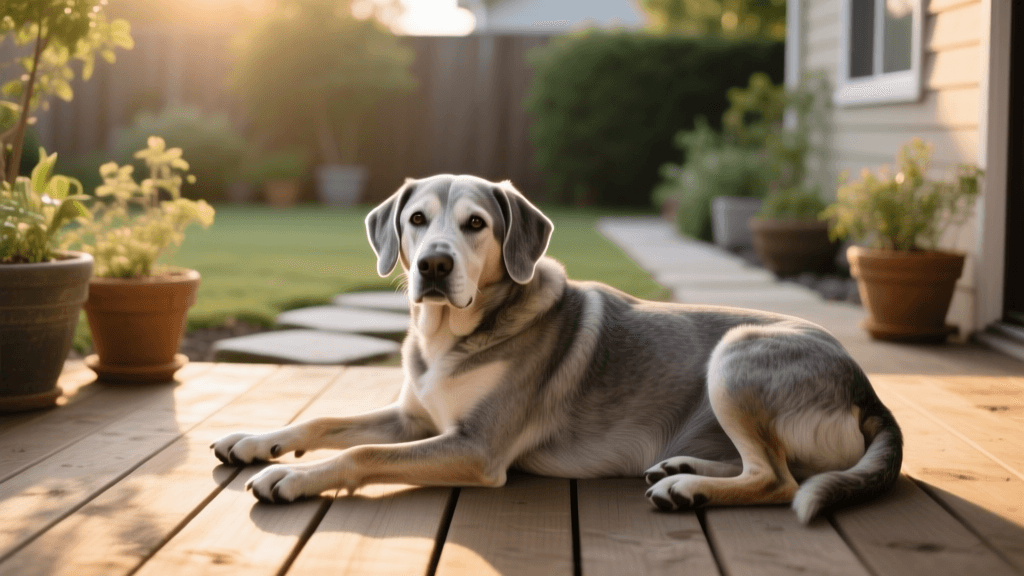
As our canine companions age, their bodies undergo significant changes, and one of the most common issues they face is joint degeneration. While small breed dogs are generally considered seniors around 10 to 12 years of age, large and giant breeds can enter their senior years as early as 5 to 6 years old. According to the American Kennel Club, osteoarthritis (OA) is a progressive, degenerative joint disease that affects up to 80% of dogs over the age of 8. It occurs when the protective cartilage that cushions the bones within a joint wears away, leading to pain, inflammation, and decreased mobility. Understanding how to proactively manage your senior dog's joint health is critical to ensuring their golden years are comfortable, active, and joyful.
Recognizing the Subtle Signs of Joint Pain
Dogs are stoic creatures by nature, and they often hide their pain until it becomes severe. By the time a dog is visibly limping, significant joint damage may have already occurred. As a responsible pet parent, you must look for the subtle, early indicators of joint discomfort. Common signs include:
- "Bunny Hopping": Using both hind legs simultaneously when running or climbing stairs, rather than moving them independently.
- Reluctance to Jump: Hesitation or refusal to jump into the car, onto the couch, or up onto the bed.
- Excessive Licking: Obsessively licking the carpal (wrist), tarsal (ankle), or knee joints, which is a self-soothing mechanism for localized pain.
- Slipping on Floors: Difficulty finding traction on hardwood or tile floors due to weakened hindquarter muscles.
- Changes in Sleep Patterns: Restlessness at night, frequent repositioning, or sleeping significantly more during the day.
- Behavioral Shifts: Irritability when petted near the hips or lower back, or a sudden reluctance to play fetch.
Weight Management: The First Line of Defense
Before spending hundreds of dollars on supplements and medications, the single most effective intervention for senior dog joint care is weight management. Excess body fat acts as a mechanical burden on aging joints and secretes inflammatory cytokines that exacerbate osteoarthritis. Every single extra pound of body weight places approximately four pounds of additional pressure on a dog's load-bearing joints. Veterinary experts at Cornell University College of Veterinary Medicine emphasize that maintaining an ideal Body Condition Score (BCS) of 4/9 or 5/9 can dramatically slow the progression of OA. Consult your veterinarian to calculate your dog's exact daily caloric needs, and consider transitioning to a prescription joint-support diet that is lower in calories but fortified with omega-3 fatty acids and L-carnitine to preserve lean muscle mass.
Nutritional Support and Joint Supplements
Joint supplements, or nutraceuticals, are a cornerstone of senior dog care. They work by providing the building blocks necessary for cartilage repair and by modulating the inflammatory response within the joint capsule. When selecting a supplement, look for products that have undergone independent testing for bioavailability and purity. Below is a comparison of some of the most highly recommended joint support options for a standard 50-pound senior dog.
| Supplement / Brand | Key Active Ingredients | Primary Benefit | Est. Monthly Cost (50lb Dog) |
|---|---|---|---|
| Dasuquin Advanced | Glucosamine HCl, Chondroitin Sulfate, MSM, ASU, Boswellia | Comprehensive cartilage protection and inflammation reduction | $70 - $85 |
| Cosequin DS Plus MSM | Glucosamine HCl, Chondroitin Sulfate, MSM | Baseline joint support and synovial fluid lubrication | $45 - $55 |
| Welactin 3X Canine | High-concentration Omega-3s (EPA/DHA from salmon oil) | Systemic inflammation reduction and joint pain relief | $35 - $45 |
| Super Snouts Joint Super Chews | Green-Lipped Mussel, Turmeric, Glucosamine | Natural anti-inflammatory support and antioxidant delivery | $40 - $50 |
Pro Tip: Omega-3 fatty acids, specifically EPA and DHA, are highly effective at inhibiting the inflammatory pathways that cause joint pain. Ensure your dog receives a minimum of 300mg of combined EPA/DHA per 10 pounds of body weight daily for therapeutic joint benefits.
Low-Impact Exercise and Physical Therapy
A common misconception is that senior dogs with arthritis should stop exercising to "save" their joints. In reality, controlled, low-impact exercise is vital for maintaining muscle mass, which acts as a supportive brace for deteriorating joints. Swap out long, strenuous hikes for two or three 15-minute leisurely walks per day. Incorporate "sniffaris"—slow, mentally stimulating walks where your dog is allowed to sniff their surroundings at their own pace. This provides cognitive enrichment without the physical toll of high-intensity cardio.
For dogs with moderate to severe mobility issues, canine hydrotherapy is a game-changer. The buoyancy of the water removes the concussive forces of gravity while the resistance of the water builds muscle. If you are walking your dog on uneven terrain or need help lifting them into the car, invest in a supportive mobility harness, such as the Ruffwear Web Master Harness (approx. $90), which features a sturdy top handle designed specifically for safe, balanced lifting.
Home Modifications for Senior Mobility
Your home environment can either be an obstacle course or a sanctuary for your aging dog. Making a few strategic modifications can drastically reduce the daily strain on their joints:
- Orthopedic Bedding: Standard dog beds compress quickly, leaving your dog's heavy joints resting directly on the hard floor. Invest in a high-quality orthopedic bed made from dense, human-grade foam. The Big Barker 7-inch Orthopedic Dog Bed (approx. $250-$300) is clinically shown to reduce joint pain and improve mobility in large breed dogs within 28 days.
- Traction Control: Hardwood and tile floors are notoriously difficult for senior dogs with weakened hind legs. Lay down interlocking foam floor tiles, yoga mats, or non-slip area rugs in high-traffic zones to give your dog the confidence to walk without fear of splaying or slipping.
- Ramps and Stairs: Eliminate the need for jumping entirely. Use a ramp for vehicle entry and pet stairs for accessing furniture. The PetSTEP Original Folding Pet Ramp (approx. $150) is highly recommended for its rubberized, non-slip surface and high weight capacity.
Advanced Veterinary Pain Management
When environmental modifications, weight control, and supplements are no longer enough to keep your dog comfortable, it is time to consult your veterinarian about pharmaceutical interventions. The American Animal Hospital Association (AAHA) strongly advocates for a multimodal approach to pain management, meaning using multiple therapies that target different pain pathways simultaneously, allowing for lower doses of individual medications and fewer side effects.
NSAIDs and Monoclonal Antibodies
Non-Steroidal Anti-Inflammatory Drugs (NSAIDs) like Carprofen (Rimadyl) or Meloxicam have long been the standard of care for canine OA. While highly effective, they require regular blood work to monitor liver and kidney function. Recently, veterinary medicine has seen a revolutionary breakthrough with the introduction of Librela (bedinvetmab). Librela is a monthly injectable monoclonal antibody that specifically targets Nerve Growth Factor (NGF), a key protein involved in OA pain signaling. Priced at approximately $100 to $150 per month depending on the dog's weight, Librela has provided profound pain relief for thousands of senior dogs with a safety profile that does not tax the liver or kidneys like traditional NSAIDs.
Adequan Injections
Another highly effective veterinary intervention is Adequan (polysulfated glycosaminoglycan or PSGAG). Administered as a series of intramuscular injections, Adequan actually inhibits the enzymes that break down cartilage while stimulating the production of new synovial fluid. A typical loading dose series costs between $250 and $400, followed by maintenance injections as prescribed by your vet.
Alternative Therapies: Acupuncture and Laser
Do not overlook the power of integrative medicine. Veterinary acupuncture has been shown to stimulate the release of endogenous opioids (the body's natural painkillers) and increase local blood flow to arthritic joints. Similarly, Class IV Cold Laser Therapy uses specific wavelengths of light to penetrate deep into the tissues, reducing cellular inflammation and promoting tissue healing. Many holistic veterinary clinics offer packages combining these therapies, typically ranging from $75 to $120 per session, providing a drug-free method to keep your senior dog moving comfortably.
Conclusion
Caring for a senior dog with joint issues requires patience, observation, and a proactive, multimodal approach. By maintaining a lean body weight, providing high-quality joint supplements, modifying your home environment, and partnering closely with your veterinarian to explore advanced pain management options like Librela and physical therapy, you can dramatically improve your dog's quality of life. Your dog spent their puppy years bringing you endless energy and joy; investing in their senior mobility is the ultimate way to return the favor.
beth-carrasco
All our authors care for dogs every day — read more of their work on the authors page.