Top Quiet Apartment Dog Breeds in 2026: Health Guide
Discover the best quiet apartment dog breeds for 2026 and learn essential health, joint care, and mental enrichment tips for small-space living.
The Rise of Quiet Apartment Dogs in 2026
As urban living spaces continue to evolve in 2026, more dog owners are seeking breeds that respect shared walls and strict noise ordinances. High-density housing and modern apartment complexes often enforce stringent pet policies, making quiet, low-vocalization dog breeds highly desirable. However, a common and dangerous misconception among new apartment dwellers is that a 'quiet' or 'low-energy' dog requires minimal health management. In reality, the unique physical and psychological needs of these breeds require highly targeted veterinary care, environmental modifications, and mental enrichment strategies to thrive in compact spaces.
According to recent urban veterinary trends, the lack of ambient movement in apartments can lead to rapid weight gain, joint deterioration, and stress-induced behavioral issues in dogs that do not naturally demand outdoor exercise. This comprehensive 2026 health and wellbeing guide explores the top quiet apartment dog breeds, their specific veterinary risks, and actionable strategies to optimize your small space for their longevity and happiness.
Top Quiet Breeds and Their Specific Health Needs
1. The Greyhound: The 45-MPH Couch Potato
Greyhounds are famously quiet, gentle, and surprisingly well-suited for apartment living despite their racing heritage. They are sprinters, not endurance athletes, and are generally content to sleep on a soft bed for up to 18 hours a day. However, their unique physiology presents specific health challenges in an apartment setting.
Firstly, Greyhounds have very little body fat and thin skin, making them highly susceptible to hygromas (fluid-filled swellings) and pressure sores when resting on hard apartment floors. In 2026, veterinary orthopedic specialists strongly recommend investing in high-density, cooling gel memory foam beds specifically designed for sighthounds to distribute their weight evenly. Secondly, Greyhounds are a deep-chested breed, placing them at a higher risk for Gastric Dilatation-Volvulus (GDV), commonly known as bloat. While older advice suggested using raised food bowls, current 2026 veterinary consensus indicates that flat feeding stations and avoiding vigorous exercise immediately before and after meals are the most effective ways to mitigate GDV risk. For more information on managing deep-chested breeds, refer to the American Kennel Club's guide on apartment living.
2. The Basset Hound: Low-Energy but High-Risk for IVDD
Basset Hounds are renowned for their mellow temperament and infrequent barking, making them excellent neighbors in multi-story buildings. However, their elongated spines and short legs make them prime candidates for Intervertebral Disc Disease (IVDD). In an apartment environment, the simple act of jumping on and off modern, high-rise sofas or beds can cause catastrophic spinal injuries.
Apartment owners must install sturdy, wide-grip pet ramps or stairs near all elevated furniture. Furthermore, Basset Hounds are prone to obesity, which exponentially increases the strain on their compromised spines. Their long, pendulous ears also trap moisture and debris, leading to chronic otitis externa (ear infections), especially in humid, climate-controlled apartment environments. A strict weekly ear-cleaning routine using a veterinarian-approved drying solution is non-negotiable for this breed.
3. Cavalier King Charles Spaniel: Cardiac Considerations
Cavaliers are affectionate, relatively quiet, and adapt beautifully to the square footage of an apartment. Their primary health concern is Mitral Valve Disease (MVD), a genetic heart condition that affects a vast majority of the breed by middle age. Because apartments limit spontaneous running and play, Cavaliers can easily become sedentary, which exacerbates cardiovascular decline.
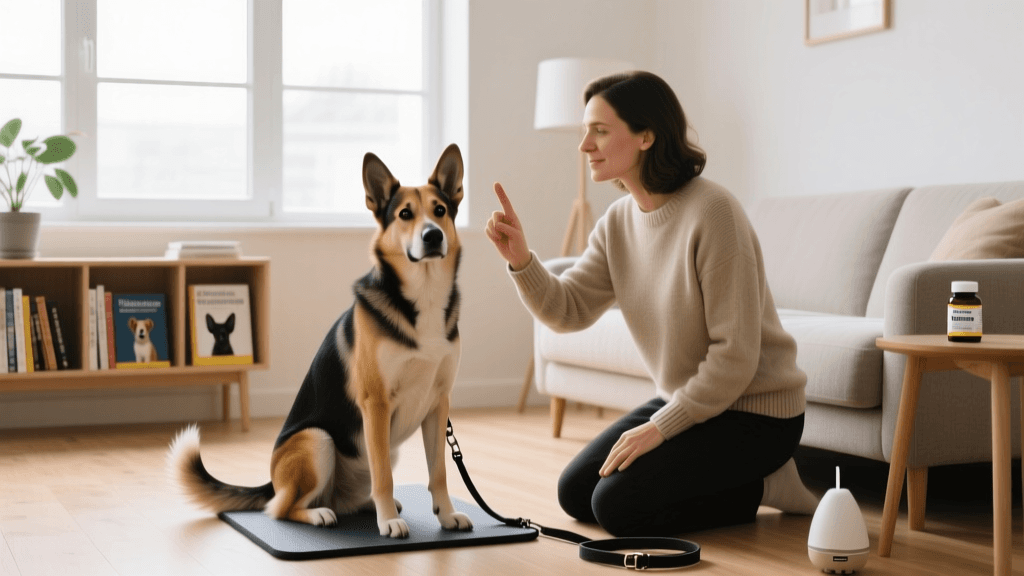
To support their heart health, owners must implement structured, low-impact cardiovascular routines, such as two 20-minute leash walks daily, rather than relying on indoor roaming. Additionally, Cavaliers are prone to syringomyelia, a painful neurological condition. To protect their necks and spines, apartment dwellers should exclusively use padded, front-clip harnesses rather than traditional collars that place pressure on the trachea and cervical spine during walks in busy urban corridors.
4. Shiba Inu: Silent but Prone to Anxiety
Shiba Inus are notoriously clean and quiet dogs, often compared to cats in their grooming habits and independence. While they rarely bark without a profound reason, their mental health requires intense management in an apartment. Shibas are highly intelligent and easily bored; without adequate mental stimulation, they are prone to developing destructive behaviors and stress-induced alopecia or lick granulomas.
Furthermore, Shibas are genetically predisposed to atopic dermatitis (environmental allergies). Modern apartments in 2026 often utilize centralized HVAC systems that circulate dust mites and dander. Running a high-quality HEPA air purifier in the dog's primary resting area and wiping their paws and coat with hypoallergenic wipes after urban walks can significantly reduce allergic flare-ups.
2026 Health & Enrichment Matrix for Apartment Breeds
| Breed | Primary Health Risk | Apartment Modification | Daily Enrichment Need |
|---|---|---|---|
| Greyhound | GDV (Bloat) & Hygromas | Orthopedic memory foam bedding | 20-min scent work & sniffaris |
| Basset Hound | IVDD & Otitis Externa | Pet stairs & ear-drying routines | Snuffle mat feeding |
| Cavalier | Mitral Valve Disease | Harness-only walking gear | Low-impact puzzle toys |
| Shiba Inu | Atopic Dermatitis | HEPA air purifiers | Interactive frozen Kongs |
Optimizing Your Apartment for Canine Joint Health
Modern apartment flooring often consists of hardwood, laminate, or polished concrete. While aesthetically pleasing, these slippery surfaces are detrimental to canine joint health, particularly for breeds prone to hip dysplasia or patellar luxation. When a dog struggles for traction, the micro-tears in their joint capsules can lead to early-onset osteoarthritis.
To combat this, strategically place interlocking foam mats or low-pile, non-slip area rugs in high-traffic zones, particularly near the dog's bed, feeding station, and entryway. In 2026, many pet owners are also utilizing smart pet ramps with adjustable inclines and motion-sensor lighting to help older or visually impaired dogs navigate elevated spaces safely during nighttime hours.
Mental Enrichment: The Key to a Quiet, Happy Dog
A quiet dog is not necessarily a content dog. In the absence of a large backyard to patrol, apartment dogs must have their psychological needs met through structured mental enrichment. According to the Humane Society of the United States, environmental enrichment is critical for reducing anxiety, preventing cognitive decline, and curbing destructive behaviors in indoor pets.
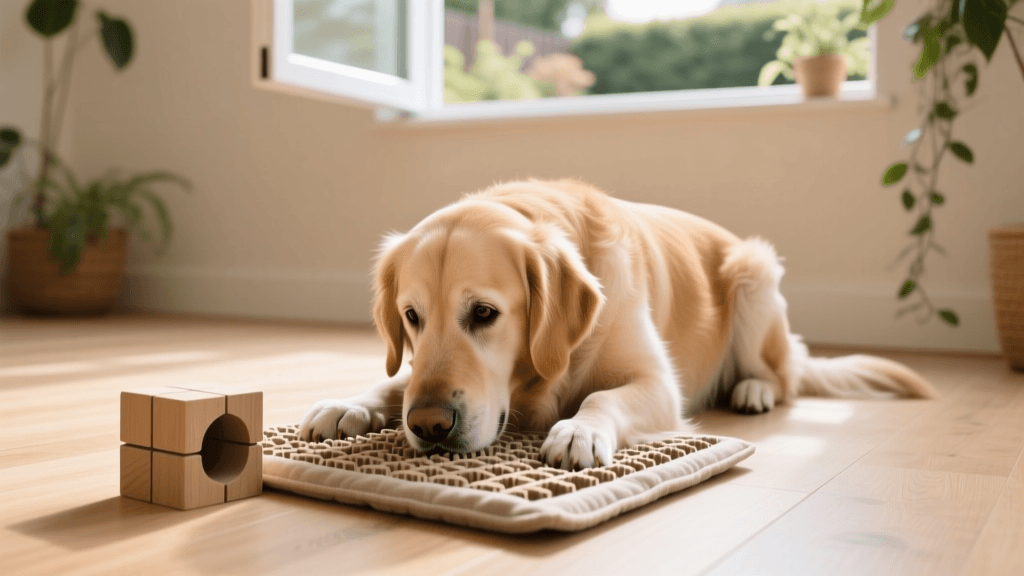
Instead of feeding your apartment dog from a standard bowl, utilize their daily caloric allowance through interactive puzzle toys, lick mats, and snuffle mats. Licking and sniffing are naturally soothing behaviors that release endorphins in a dog's brain. Freezing a mixture of bone broth, plain pumpkin puree, and kibble inside a rubber chew toy provides up to 45 minutes of engaging, quiet mental stimulation while you work from home. Rotating these toys weekly prevents habituation and keeps the dog's cognitive functions sharp.
Weight Management in Low-Activity Environments
The most pervasive health crisis among apartment dogs is obesity. Without the natural calorie-burning activity of running in a yard, the ambient energy expenditure of an apartment dog is remarkably low. The American Veterinary Medical Association (AVMA) emphasizes that pet obesity leads to a host of secondary conditions, including diabetes, exacerbated joint pain, and reduced lifespan.
To manage weight effectively in 2026, veterinarians recommend utilizing smart microchip-activated feeders that dispense precise, gram-measured portions based on your dog's specific resting energy requirement (RER). Treats should never exceed 10% of the dog's daily caloric intake. Swap high-calorie commercial biscuits for low-impact, high-value alternatives like dehydrated green beans, small pieces of carrot, or frozen blueberries. Regular body condition scoring (BCS) at home—where you should be able to feel, but not prominently see, your dog's ribs—is essential for catching weight gain before it becomes a clinical issue.
Conclusion
Choosing a quiet dog breed for apartment living is an excellent way to maintain harmony in shared housing, but it shifts the burden of health management directly onto the owner. By understanding the specific orthopedic, cardiac, and psychological vulnerabilities of breeds like the Greyhound, Basset Hound, Cavalier, and Shiba Inu, you can proactively design an apartment environment that fosters physical health and mental vitality. Through strategic environmental modifications, strict weight management, and daily cognitive enrichment, your quiet companion will thrive in their urban sanctuary for years to come.
marcus-aldridge
All our authors care for dogs every day — read more of their work on the authors page.