Adopting a Dog With Osteoarthritis: 2026 Home Prep Guide
Discover how to adopt and prepare your home for a senior dog with osteoarthritis in 2026. Learn essential setup tips, mobility aids, and early care plans.
The Joy and Reality of Adopting a Senior Dog With Osteoarthritis
Adopting a senior dog is one of the most profoundly rewarding experiences a pet parent can have. However, as of 2026, shelter demographics across the country show a rising intake of older dogs, many of whom are managing chronic, age-related conditions like canine osteoarthritis (OA). Osteoarthritis is a progressive, degenerative joint disease that affects over 20% of the adult dog population, and the prevalence climbs significantly in senior rescues over the age of eight. If you are currently in the process of getting a dog and have decided to open your heart and home to an older pet with limited mobility, preparing your environment and understanding modern treatment options is critical for their comfort and your long-term success as a new owner. Bringing home a dog with OA requires a strategic approach to your living space, daily routines, and veterinary care.
Recognizing Osteoarthritis During the Shelter Meet-and-Greet
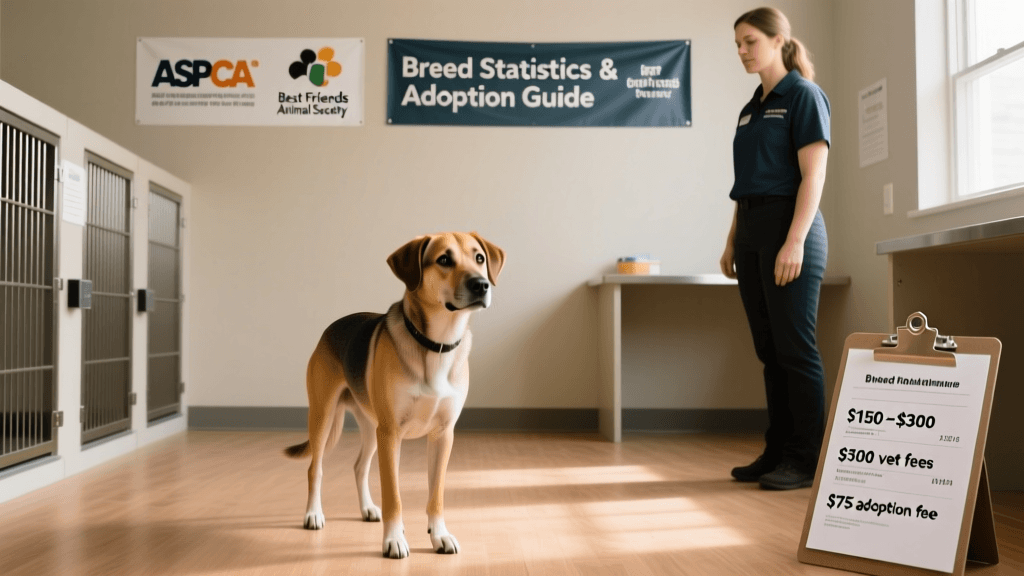
When visiting a shelter or foster home, identifying osteoarthritis early can help you prepare the right home setup before the adoption is even finalized. According to the American Kennel Club, common signs of OA include a noticeable stiffness that improves with mild movement, a reluctance to jump onto furniture or climb stairs, and a 'bunny-hopping' gait when running. During your meet-and-greet, observe the dog after they have been resting in their kennel. Are they slow to rise? Do they seem hesitant to navigate the slippery linoleum floors of the shelter lobby? You may also notice excessive licking or chewing at specific joints, such as the carpus (wrist) or stifle (knee), which indicates localized discomfort. Recognizing these subtle cues allows you to ask the shelter staff about the dog's medical history and begin planning your home modifications immediately.
Essential 2026 Home Modifications for Joint Health
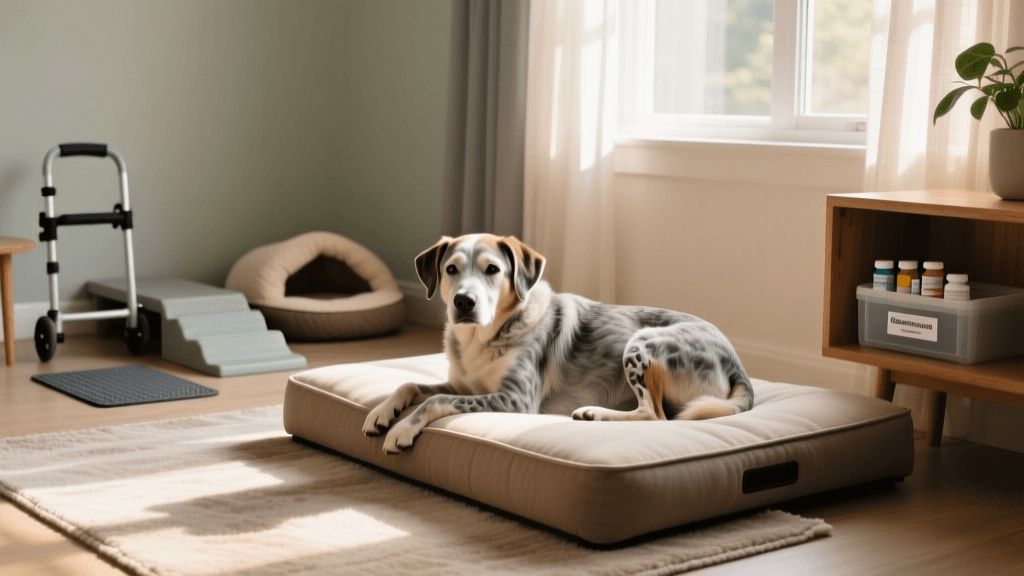
Before bringing your new senior dog home, you must audit your living space for mobility hazards. The Washington State University College of Veterinary Medicine emphasizes that environmental modification is a cornerstone of OA management, as it reduces the mechanical stress placed on deteriorating cartilage.
Upgrading Your Flooring
Hardwood, laminate, and tile floors are incredibly slippery and can cause a dog with weakened hind legs to splay out, leading to severe muscle strain or acute ligament tears. In 2026, the standard recommendation is to cover high-traffic areas and the dog's primary pathways with interlocking high-density EVA foam tiles or low-pile, non-slip area rugs. Ensure all rugs have heavy-duty rubberized backing to prevent shifting when the dog pivots.
Orthopedic Sleep Surfaces
Dogs with OA need specialized support to keep their joints aligned and pressure points cushioned while they sleep. Invest in a high-quality orthopedic bed made from medical-grade memory foam, ideally with a cooling gel top layer, as joint inflammation can cause localized heat. Look for beds with a waterproof inner liner and a machine-washable cover. Bolstered edges are highly recommended, as they provide a place for the dog to rest their head and neck, reducing spinal strain.
Mobility Aids: Ramps and Stairs
If you plan to allow your dog on the couch or bed, jumping is no longer an option. Purchase adjustable foam pet ramps with high-traction microfiber surfaces and side safety rails. The incline should be as gradual as your space allows; a steeper ramp requires more joint torque to climb. For vehicles, invest in a telescoping aluminum ramp with a weight capacity that exceeds your dog's weight by at least 30% to ensure structural stability.
Modern Veterinary Treatments to Discuss on Day One
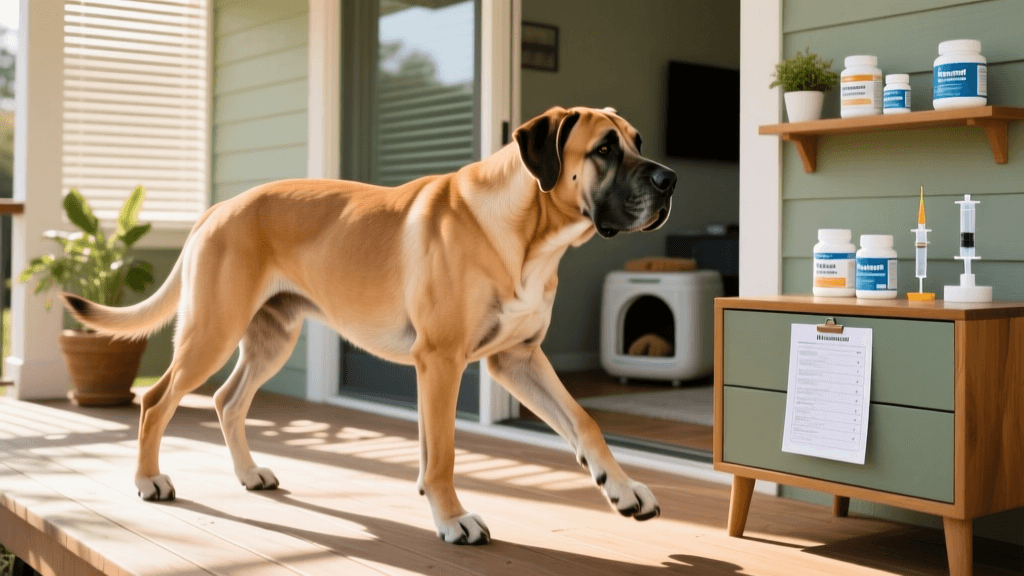
Your first veterinary visit within 48 hours of adoption is crucial for establishing a comprehensive pain management protocol. The Cornell University College of Veterinary Medicine notes that a multimodal approach yields the best quality of life for arthritic dogs. In 2026, the veterinary landscape offers highly effective, targeted therapies beyond traditional daily painkillers.
- Anti-NGF Monoclonal Antibodies: Monthly injections like Librela (bedinvetmab) have revolutionized canine OA care. By targeting Nerve Growth Factor, these injections block pain signals at the source without the systemic side effects associated with long-term NSAID use.
- NSAIDs: Non-steroidal anti-inflammatory drugs (like Carprofen or Meloxicam) are still utilized for acute flare-ups or dogs that do not fully respond to monoclonal antibodies.
- Joint Supplements: Veterinary-formulated supplements containing Glucosamine, Chondroitin, and ASU (Avocado Soybean Unsaponifiables) help support cartilage health and reduce joint fluid inflammation.
- Weight Management: Keeping your new dog at a lean body condition score (BCS of 4 or 5 out of 9) is arguably the most effective 'treatment' available, as every extra pound exerts exponential force on compromised joints.
Estimated 2026 Setup and First-Month Care Costs
Budgeting for a special-needs dog is an important part of the decision-making process when getting a dog. Below is a breakdown of the estimated costs you should anticipate for home setup and initial medical care in 2026.
| Item / Service | 2026 Estimated Cost | Priority Level |
|---|---|---|
| Orthopedic Memory Foam Bed (Large) | $140 - $280 | Essential |
| Adjustable Foam Pet Ramp | $85 - $160 | Essential |
| Interlocking Non-Slip Floor Mats (50 sq ft) | $60 - $110 | High |
| Initial Veterinary OA Assessment & X-Rays | $250 - $450 | Essential |
| Librela (Bedinvetmab) Monthly Injection | $90 - $160 / month | High (Vet Dependent) |
| Joint Supplements (e.g., Dasuquin Advanced) | $45 - $75 / month | Moderate |
Establishing a Low-Impact Daily Routine
Once your home is prepared and your veterinary protocol is in place, establishing a predictable, low-impact daily routine will help your new dog thrive. Short, frequent leash walks on flat, even surfaces are far superior to one long, exhausting hike. Avoid activities that involve sudden stops, sharp turns, or jumping, such as fetching frisbees or playing with highly energetic younger dogs. Instead, engage their mind with scent work, puzzle toys, and gentle indoor training sessions. By taking these proactive steps before and immediately after adoption, you ensure that your senior dog's golden years are defined by comfort, dignity, and boundless love.
marcus-aldridge
All our authors care for dogs every day — read more of their work on the authors page.