What To Look For In Shelter Dog Behavior Assessments
Learn about what to look for in shelter dog behavior assessments with expert tips and data-backed advice.
Understanding the Purpose of Shelter Dog Behavior Assessments
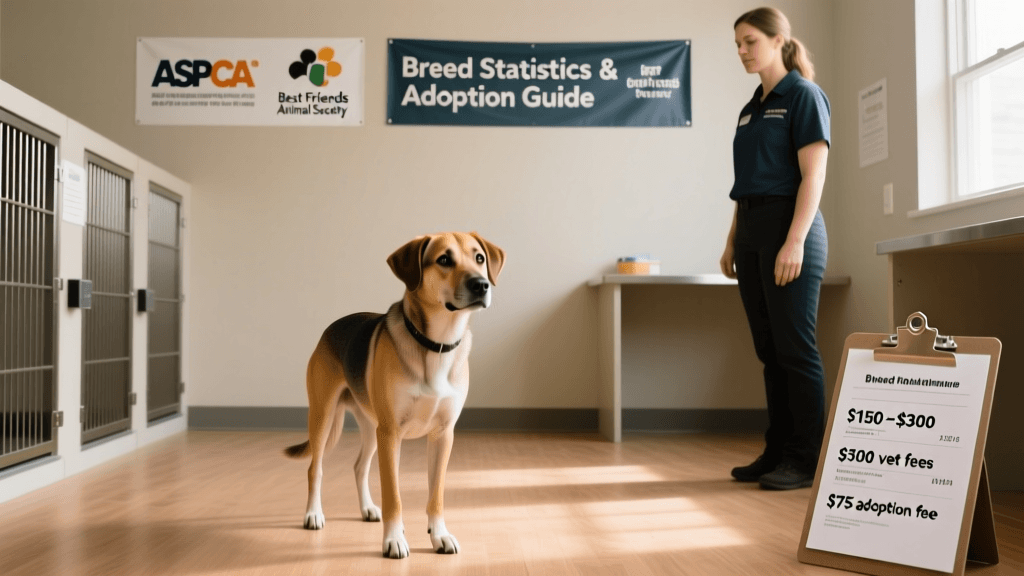
Shelter dog behavior assessments are not diagnostic tools—they’re snapshots. Designed to identify potential risks and compatibility factors, these evaluations help match dogs with homes where they can thrive. Unlike veterinary exams or breed-specific genetic screenings, behavior assessments focus on observable responses in controlled, standardized settings. According to the ASPCA (2022), over 67% of shelters in the United States now use structured behavioral evaluation protocols, up from just 39% in 2015. This shift reflects growing recognition that temperament—not pedigree—drives long-term adoption success.
Core Components of a Valid Assessment Protocol
A robust assessment evaluates multiple domains: sociability with humans, reactivity toward strangers, response to handling, resource guarding tendencies, and tolerance for environmental stimuli like loud noises or sudden movements. The SAFER (Safety Assessment for Evaluating Rehoming) tool, developed by the University of Pennsylvania School of Veterinary Medicine, is used by more than 420 shelters nationwide—including the San Francisco SPCA and Austin Animal Center—and includes 12 timed subtests with clear pass/fail criteria.
Human Interaction Subtest
This segment measures willingness to approach, accept petting, and respond to gentle restraint. Dogs scoring “low threshold” (i.e., tolerating prolonged handling without lip licking, yawning, or avoidance) show higher retention rates post-adoption. Data from the Humane Society of the United States (2023) indicates that dogs passing all human interaction components have a 78% lower return rate within six months compared to those failing two or more items.
Resource Guarding Evaluation
Assessors place high-value treats near the dog’s food bowl and observe for stiffening, growling, or snapping when a hand approaches within 12 inches. A 2021 study published in Applied Animal Behaviour Science found that 14.3% of shelter dogs exhibited moderate-to-severe guarding behaviors during standardized food bowl tests—yet only 3.1% showed similar reactions when offered treats by hand, underscoring context-dependency.
Environmental Stress Response
Dogs are exposed to controlled stimuli: a dropped metal pan (85 dB), a brief vacuum cleaner sound (72 dB), and simulated thunder (68 dB). Responses are scored on a 5-point scale. At the Chicago Anti-Cruelty Society, dogs exhibiting sustained panting, trembling, or hiding for >90 seconds across two or more stimuli are flagged for behavior support planning before adoption.
Interpreting Results Within Real-World Contexts
Behavior assessments do not predict future conduct with absolute certainty—but they do flag patterns requiring mitigation. For example, a dog rated “moderate reactivity” toward men wearing hats may benefit from gradual desensitization rather than exclusion from homes with male caregivers. Breed statistics reveal nuance: while 22% of American Pit Bull Terriers in shelters display leash reactivity in initial assessments, longitudinal tracking by the Best Friends Animal Society shows 63% of those dogs achieve calm walking behavior after four weeks of positive reinforcement training.
Costs associated with pre-adoption behavior support vary widely. Basic assessment fees—often bundled into adoption packages—range from $0 (at no-fee shelters like the Oregon Humane Society) to $125 at private rescues such as Dogs Trust USA. Post-assessment support, including virtual consultations with certified behaviorists, averages $95–$180 per hour. In contrast, returning an adopted dog due to unmanaged behavioral issues costs shelters an estimated $287 per incident in rehousing, medical care, and staff time (ASPCA, 2022).
Red Flags That Warrant Further Investigation
Not all concerning behaviors indicate unsuitability for adoption—but some require specialized expertise:
- Sustained freezing or shutdown during three or more assessment phases
- Aggressive displacement (biting without warning) toward handlers’ hands during collar checks
- Self-injurious behavior (e.g., repetitive licking leading to ulceration) observed over ≥10 minutes
- Inability to settle in a quiet room after 15 minutes of isolation
- Consistent failure to orient toward human voice or movement cues across five trials
These indicators don’t automatically disqualify a dog—but they signal need for individualized intervention plans. The Maddie’s Fund National Shelter Medicine Program recommends referral to veterinary behaviorists when two or more red flags appear, particularly in dogs over 3 years old.
How Rescue Organizations Standardize Practices
Standardization remains uneven across the U.S., but national initiatives are narrowing gaps. The American Kennel Club’s Canine Good Citizen (CGC) Shelter Program trains shelter staff in observation-based scoring aligned with AKC CGC criteria. Since its 2019 rollout, participating shelters—including the Kentucky Humane Society—have reported a 21% increase in adopter confidence scores and a 17% reduction in post-adoption behavior inquiries.
Rescue groups also rely on collaborative frameworks. The National Council on Pet Population Study and Policy (NCPPSP) established minimum assessment duration guidelines in 2020: at least 20 minutes per dog, conducted across two separate days, with documentation of inter-observer reliability ≥0.82 (Cohen’s kappa). This standard is now adopted by 68% of shelters accredited by the Global Federation of Animal Sanctuaries.
“A behavior assessment isn’t about labeling—it’s about listening. Every tail wag, blink, and retreat tells us something about capacity, history, and need.” — Dr. Emily Levine, Director of Behavior Science, Best Friends Animal Society (2023)
Adopters should request written summaries—not just pass/fail verdicts. These reports should include timestamps, environmental conditions (e.g., “tested in outdoor yard at 78°F”), and notes on consistency across sessions. At the San Francisco SPCA, full assessment records—including video clips of key subtests—are provided to adopters upon request, supporting informed decision-making.
Breed-specific considerations matter—but not as determinants. While Labrador Retrievers represent 12.4% of shelter intakes nationally (AKC Foundation, 2023), their average assessment pass rate for basic obedience subtests is 89%, versus 71% for mixed-breed dogs overall. Yet mixed-breeds constitute 78% of shelter populations and demonstrate greater variability in stress resilience scores—highlighting why individual assessment outweighs breed assumptions.
Adopters preparing for home integration should budget for follow-up support. Recommended starter investments include:
- A certified professional dog trainer ($120–$200/session; average 3–5 sessions needed)
- Food-dispensing toys ($15–$35 each; recommended minimum of 4 for enrichment rotation)
- Calming supplements (e.g., L-theanine + tryptophan blends, $25–$45/month)
- Sound desensitization app subscription ($8–$12/month)
- Crates or safe zones ($70–$220, depending on size and durability)
Shelters increasingly offer “adoption success packages” that bundle these resources. The Oregon Humane Society’s $149 package includes two private training sessions, a crate, three enrichment toys, and unlimited phone support for 90 days—reducing early-return risk by 44% according to internal tracking data.
Ultimately, behavior assessments serve as one data point—not destiny. A dog scoring “cautious” on stranger approach may blossom with patient, predictable routines. What matters most is alignment between the dog’s assessed needs and the adopter’s capacity to meet them—through time, training, and tailored environmental design. As the American Veterinary Medical Association emphasizes in its 2021 Shelter Medicine Guidelines, “The goal is not perfection—but partnership built on observable, modifiable behavior.”
| Shelter | Assessment Tool Used | Median Duration Per Dog | Staff Training Hours Required | Post-Adoption Return Rate (12 mo) |
|---|---|---|---|---|
| Austin Animal Center | SAFER v3.1 | 24 minutes | 16 hours | 11.2% |
| Kentucky Humane Society | AKC CGC Shelter Protocol | 28 minutes | 22 hours | 9.7% |
| Chicago Anti-Cruelty Society | Custom Yerkes-Dog Scale | 31 minutes | 30 hours | 14.5% |
When reviewing assessment results, ask specific questions: Was the dog tested after at least 48 hours of shelter acclimation? Were assessors blinded to intake history? Did scoring account for prior trauma indicators (e.g., untreated injuries, extreme underweight)? These details transform raw scores into actionable insights—grounding adoption decisions in evidence, not assumption.
The path to successful integration begins well before the adoption application. It starts with understanding what behavior assessments can—and cannot—reveal. With thoughtful interpretation, realistic expectations, and access to ongoing support, adopters gain not just a companion, but a collaborator in mutual growth.
beth-carrasco
All our authors care for dogs every day — read more of their work on the authors page.