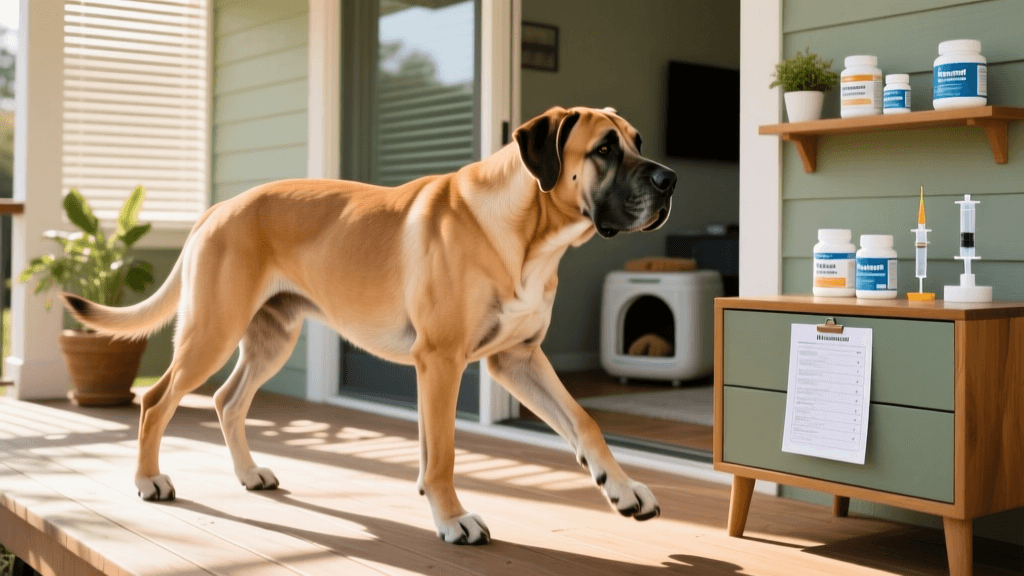
Large Breed Joint Supplements: 2026 Adoption Prep
Bringing home a large breed dog in 2026? Discover proactive joint supplements, dosing guides, and prep checklists to protect their hips from day one.
The 2026 Approach to Proactive Joint Care for New Dogs
Bringing home a large breed dog is one of the most rewarding experiences a pet owner can have. Whether you are adopting an adolescent German Shepherd from a rescue, welcoming a Great Dane puppy, or purchasing a Golden Retriever from a breeder, preparing your home for their arrival requires more than just food bowls and toys. As we navigate 2026, veterinary orthopedics has heavily shifted toward proactive joint care. Experts now agree that waiting until a dog shows signs of limping or osteoarthritis is a missed opportunity. Instead, the modern standard of care involves setting up a proactive joint supplement and environmental protocol from the very first day your new dog enters your home.
Large and giant breeds are genetically predisposed to developmental orthopedic diseases such as hip dysplasia, elbow dysplasia, and early-onset osteoarthritis. According to the Orthopedic Foundation for Animals (OFA), nearly 20% of all large breed dogs will develop some form of hip dysplasia in their lifetime. By integrating high-quality joint supplements and orthopedic environmental modifications into your getting-a-dog checklist, you can significantly delay the onset of mobility issues and ensure your new companion lives a vibrant, pain-free life.
Assessing Your New Dog's Joint Health on Day One
Before you even administer the first dose of a joint supplement, you must assess the baseline joint health of the dog you are bringing home. If you are working with a reputable breeder, request the official OFA or PennHIP certification scores for both parents. These radiographic evaluations provide a statistical probability of the puppy developing joint issues later in life.
If you are adopting a rescue dog or an adult large breed, perform a visual gait analysis during your meet-and-greet. Look for the following subtle signs of early joint fatigue or discomfort:
- Bunny Hopping: Using both hind legs simultaneously when running or climbing stairs.
- Asymmetrical Sitting: Consistently sitting with one hip kicked out to the side rather than squarely.
- Reluctance to Jump: Hesitation before leaping into a vehicle or onto a low couch.
- Post-Exercise Stiffness: A slow, rigid gait for the first few minutes after waking up from a long nap.
If you notice any of these signs, document them and share them with your veterinarian during your first-week wellness exam. This will help your vet tailor the exact milligram dosage of joint supplements required for your specific dog.
Essential Joint Supplement Ingredients for 2026
The supplement market has evolved dramatically. In 2026, veterinary nutritionists look beyond basic glucosamine and focus on synergistic blends that target inflammation, cartilage repair, and synovial fluid production. When shopping for your new dog's joint care kit, ensure the product contains a robust profile of the following ingredients:
1. Glucosamine HCl and Chondroitin Sulfate
These are the foundational building blocks for cartilage. Glucosamine stimulates the production of glycosaminoglycans, while chondroitin inhibits the enzymes that break down cartilage. The 2026 veterinary consensus recommends a loading dose of 500mg of glucosamine per 25 pounds of body weight for the first four weeks, followed by a maintenance dose.
2. Undenatured Type II Collagen (UC-II)
UC-II has become a gold-standard ingredient in recent years. Unlike traditional collagen, undenatured collagen works through oral tolerance, interacting with the immune system in the gut to prevent the body from attacking its own joint cartilage. It is highly effective in micro-doses (typically 40mg daily) and is excellent for dogs with sensitive stomachs who cannot tolerate high volumes of traditional chews.
3. Green-Lipped Mussel (Perna canaliculus)
Sourced sustainably from New Zealand, Green-Lipped Mussel is a powerhouse of naturally occurring Omega-3 fatty acids (EPA and DHA), glycosaminoglycans, and amino acids. It provides a dual-action effect: lubricating the joint capsule while simultaneously reducing systemic inflammation.
4. Methylsulfonylmethane (MSM)
MSM is a natural sulfur compound that aids in the formation of connective tissue and helps reduce oxidative stress in the joint capsule. It also acts as a natural analgesic, providing mild pain relief for dogs that have already developed early-stage stiffness.
Comparison Table: Top Joint Supplements for Large Breeds
Selecting the right product can be overwhelming. Below is a comparison of the top three veterinary-recommended joint supplements for large breeds available in 2026, categorized by their best use case and estimated monthly cost for a 75-pound dog.
| Brand / Product | Key Active Ingredients | Best For | 2026 Est. Monthly Cost |
|---|---|---|---|
| Nutramax Dasuquin Advanced | Glucosamine, Chondroitin, MSM, ASU, Boswellia | High-risk breeds, post-surgery recovery, and senior large breeds needing maximum cartilage support. | $65 - $75 |
| Cosequin Joint Health Plus MSM | Glucosamine, Chondroitin, MSM, Omega-3s | Everyday maintenance for adult rescues and active working dogs showing early signs of stiffness. | $45 - $55 |
| GlycoFlex Stage III | Green-Lipped Mussel, Glucosamine, MSM, DMG | Agile sporting breeds and dogs needing a high concentration of natural Omega-3s for inflammation. | $55 - $65 |
Note: If you are bringing home a puppy under 12 months of age, always consult your veterinarian before starting high-dose joint supplements. Over-supplementation in rapidly growing puppies can interfere with growth plate closure. For puppies, veterinarians often recommend a high-quality large-breed puppy food fortified with EPA/DHA instead of standalone pills until skeletal maturity is reached.
How to Introduce Supplements to Your New Dog's Diet
The first 30 days of bringing a dog home are critical for establishing routines. The American Kennel Club (AKC) notes that consistency is the most important factor in joint supplement efficacy; these compounds must build up in the system over 4 to 6 weeks to show clinical benefits.
- Wait for Digestive Stability: Do not introduce joint supplements on the exact day you bring your dog home. The stress of relocation often causes mild gastrointestinal upset. Wait 5 to 7 days until their stool is firm and they are fully transitioned to their new diet.
- Start with a Half Dose: For the first three days, administer half the recommended maintenance dose to ensure the dog does not experience nausea or diarrhea from the new active ingredients.
- Use High-Value Carriers: If your new dog is a picky eater or stressed, hide the supplement inside a Kong toy stuffed with plain, unsweetened pumpkin puree or a small amount of low-sodium chicken broth.
- Pair with Omega-3 Fish Oil: Liquid fish oil not only supports joint health but also improves the absorption of fat-soluble vitamins and helps soothe the anxiety-induced shedding that often occurs during a dog's first month in a new home.
Environmental Prep: Beyond the Pill
Supplements alone cannot protect your dog's joints if your home environment is working against them. The American College of Veterinary Surgeons (ACVS) emphasizes that environmental modification is a cornerstone of managing and preventing osteoarthritis. As you prepare your home for your new large breed dog, invest in the following orthopedic safeguards:
Orthopedic Sleeping Stations
Discard thin, fluffy dog beds. Large breeds require a minimum of 4 inches of high-density memory foam (rated at least 40 lbs per cubic foot) to prevent their heavy joints from pressing through to the hard floor. Ensure the bed has a waterproof inner liner, as large breeds are prone to joint-related incontinence in their senior years. Place beds in draft-free zones away from air conditioning vents, as cold air exacerbates joint stiffness.
Ramps and Stairs
If you plan to allow your dog in your vehicle or on your furniture, purchase a ramp immediately. Jumping down from a truck bed or a high bed generates an impact force equal to several times the dog's body weight on their front carpal and shoulder joints. Look for a ramp with an incline no steeper than 18 to 20 degrees, a minimum width of 18 inches for large breeds, and a high-traction rubberized surface to prevent splaying.
Flooring Traction
Slippery hardwood and tile floors are a leading cause of acute soft-tissue injuries and chronic joint strain in large breeds. When a dog slips, their adductor and abductor muscles work in overdrive to stabilize the hip joint, leading to severe inflammation. Lay down interlocking foam yoga mats or secure low-pile area rugs with heavy-duty non-slip rug pads in all high-traffic corridors, entryways, and around their primary feeding stations.
Conclusion
Getting a new dog is a commitment to their lifelong well-being. By viewing joint health as a proactive necessity rather than a reactive treatment, you are giving your large breed dog the gift of enduring mobility. Stock your pantry with veterinary-approved supplements like Dasuquin or GlycoFlex, fortify your floors with high-traction rugs, and invest in proper memory foam bedding before your new best friend even walks through the door. With the right 2026 preparation protocol, you will ensure that your new companion remains active, comfortable, and ready for adventure for years to come.
robin-maitland
All our authors care for dogs every day — read more of their work on the authors page.