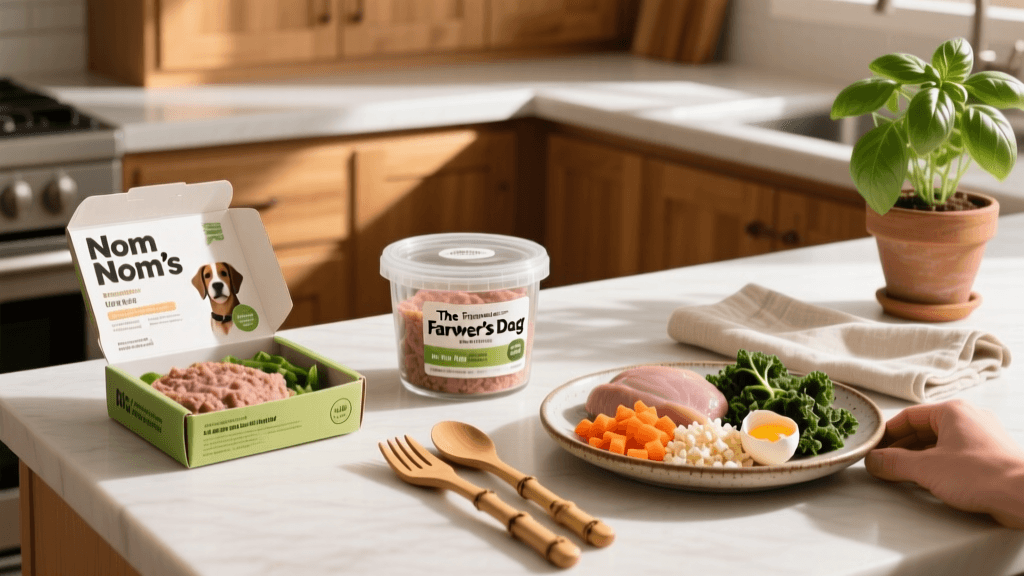
Best Fresh Puppy Diets 2026: Nom Nom vs Farmer's Dog vs DIY Raw
Discover the best fresh and raw puppy diets for 2026. We compare Nom Nom, The Farmer's Dog, and DIY raw setups to help your new dog thrive.
Bringing Your New Puppy Home: The 2026 Nutrition Revolution
Welcoming a new puppy into your home is one of life’s most rewarding experiences, but it also comes with a labyrinth of decisions. Among the most critical is nutrition. As we navigate 2026, the pet care industry has seen a massive paradigm shift away from ultra-processed, high-heat kibble toward fresh, raw, and alternative diets. New dog owners are increasingly prioritizing bioavailability, whole-food ingredients, and species-appropriate nutrition to support their puppy's rapid growth, cognitive development, and immune system.
If you are bringing a new puppy home this year, you are likely weighing the convenience of commercial fresh food delivery services against the hands-on control of a DIY raw diet. This comprehensive guide breaks down the top fresh and raw feeding strategies for puppies in 2026, comparing industry leaders like Nom Nom and The Farmer's Dog with the traditional Prey Model Raw (PMR) approach.
Top Commercial Fresh Food Services for Puppies in 2026
The commercial fresh pet food market has matured significantly. Cold-chain logistics in 2026 are more efficient than ever, meaning food arrives at your door perfectly chilled, reducing the carbon paw-print while maintaining optimal nutrient integrity. When selecting a commercial fresh diet, the gold standard is ensuring the recipe meets the Association of American Feed Control Officials (AAFCO) nutrient profiles specifically for growth or all life stages.
Nom Nom: Precision Nutrition Backed by Science
Now fully integrated into the Mars Petcare network, Nom Nom remains a powerhouse in the fresh food space for 2026. Their recipes are formulated by board-certified veterinary nutritionists. For puppies, Nom Nom utilizes a proprietary nutrient premix that ensures exact calcium-to-phosphorus ratios—a non-negotiable metric for preventing orthopedic diseases in growing large-breed dogs. The food arrives in pre-portioned, tear-top packets based on your puppy’s current weight and expected adult size, taking the guesswork out of caloric calculations.
The Farmer's Dog: Whole-Food Simplicity
The Farmer's Dog continues to dominate the human-grade fresh food sector. Their 2026 puppy formulations focus on whole-food ingredients like USDA-certified turkey, sweet potatoes, and spinach, fortified with a comprehensive vitamin and mineral blend. Because the food is gently cooked, it eliminates the pathogen risks associated with raw meat while retaining a high moisture content that supports your puppy's kidney function and digestion. The packaging is eco-friendly, utilizing biodegradable insulation that aligns with the sustainability goals of modern pet owners.
Commercial Raw and HPP Technology
For owners who want the benefits of raw feeding without the bacterial risks of handling raw meat at home, commercial raw brands utilizing High-Pressure Processing (HPP) have surged in popularity in 2026. HPP uses extreme water pressure to neutralize pathogens like Salmonella and E. coli without applying heat, thereby preserving the delicate amino acids and natural enzymes that are often destroyed during the cooking process. Brands like We Feed Raw and Primal Pet Foods offer puppy-specific formulas that are flash-frozen and shipped in eco-friendly, insulated coolers, providing a safe, biologically appropriate alternative for busy new dog owners.
The DIY Raw Route: Prey Model and BARF Diets
For owners who want absolute transparency regarding every ingredient that enters their puppy's bowl, DIY raw feeding is the ultimate alternative. The two primary philosophies are the Prey Model Raw (PMR) diet, which mimics the proportions of a whole animal (typically 80% muscle meat, 10% bone, 5% liver, and 5% other secreting organs), and the Biologically Appropriate Raw Food (BARF) diet, which incorporates safe, dog-friendly vegetables and supplements.
While DIY raw feeding offers unparalleled freshness, it carries significant risks if not executed with scientific precision. Growing puppies require exact levels of calcium, phosphorus, vitamin D, and trace minerals. A deficiency or excess in any of these can lead to irreversible skeletal deformities. According to experts at the Tufts University Cummings Veterinary Medical Center, unbalanced homemade diets are a leading cause of nutritional secondary hyperparathyroidism in young dogs. If you choose the DIY route in 2026, it is highly recommended to use a pre-mixed supplement base from a reputable company or consult directly with a board-certified veterinary nutritionist to formulate a custom recipe.
"Feeding a growing puppy requires meticulous attention to micronutrient balance. While fresh and raw diets offer excellent bioavailability, they must be rigorously tested or formulated by a professional to ensure they meet the stringent demands of canine skeletal development."
2026 Cost and Convenience Comparison Chart
To help you decide which fresh diet aligns with your lifestyle and budget, we have compiled a comparison based on the estimated monthly costs for a medium-breed puppy (e.g., a Spaniel or Small Retriever mix) expected to reach 40 lbs in adulthood. Pricing reflects average 2026 market rates.
| Diet Type | Est. Monthly Cost (2026) | Prep Time | Pathogen Risk | AAFCO Compliance Ease |
|---|---|---|---|---|
| Nom Nom (Fresh Cooked) | $110 - $140 | None (Pre-portioned) | Very Low | Guaranteed |
| The Farmer's Dog (Fresh Cooked) | $105 - $135 | None (Pre-portioned) | Very Low | Guaranteed |
| DIY PMR (Raw Sourced Locally) | $75 - $95 | High (Weighing/Prep) | Moderate to High | Difficult (Requires Supplements) |
| Commercial Raw (HPP Treated) | $130 - $160 | Low (Thawing required) | Low | Guaranteed |
Essential Gear for Your Fresh Diet Puppy Setup
Whether you are thawing commercial fresh packs or grinding your own raw meats, setting up a dedicated pet nutrition station in your home is vital for hygiene and efficiency. Here is the essential gear checklist for the 2026 fresh-feeding household:
- Digital Gram Scale: Crucial for DIY raw feeders. Puppies require precise portioning down to the gram to prevent obesity or stunted growth. Look for a scale with a tare function and a stainless steel surface for easy sanitization.
- Dedicated Chest Freezer: Buying meat in bulk from local regenerative farms or wholesale butchers is the most cost-effective way to feed a raw diet. A 5-cubic-foot energy-efficient chest freezer will hold roughly 150 lbs of meat, enough for several months of puppy growth.
- Stainless Steel Prep Mats: Raw meat juices can harbor bacteria like Salmonella and Listeria. Using dishwasher-safe stainless steel prep mats protects your kitchen counters and ensures a sterile environment.
- Slow-Feeder Lick Mats: Fresh food is highly palatable, meaning puppies often inhale their meals. Spreading fresh food onto textured silicone lick mats slows down eating, promotes mental stimulation, and aids digestion.
- Canine Digestive Enzymes: Because fresh and raw diets contain natural enzymes, some puppies transitioning from highly processed kibble may temporarily need a supplemental digestive enzyme powder to help break down the dense, high-quality proteins until their natural pancreatic output adapts.
Handling and Safety: Mitigating Pathogen Risks
When handling raw or minimally processed fresh diets, hygiene is paramount. The U.S. Food and Drug Administration (FDA) consistently warns that raw pet food diets carry a higher risk of containing harmful bacteria compared to heavily processed kibble. While a dog's highly acidic stomach is generally well-equipped to handle these pathogens, the humans preparing the food—and immunocompromised individuals in the household—are at risk.
To mitigate these risks, always wash your hands with warm, soapy water for 20 seconds after handling raw puppy food. Sanitize all bowls, prep surfaces, and utensils with a mild bleach solution or run them through a high-heat dishwasher cycle. Never thaw raw puppy food on the kitchen counter at room temperature; always thaw it in the refrigerator in a sealed, leak-proof container to prevent cross-contamination with human food.
The 14-Day Puppy Transition Protocol
When you first bring your puppy home, they will likely be eating the kibble or food provided by the breeder or shelter. Abruptly switching to a rich, fresh, or raw diet can cause severe gastrointestinal upset, including diarrhea and vomiting. To protect your puppy's developing gut microbiome, follow this 14-day transition schedule recommended by the World Small Animal Veterinary Association (WSAVA):
- Days 1-3: 75% old food, 25% new fresh/raw food. Monitor stool consistency closely.
- Days 4-7: 50% old food, 50% new fresh/raw food. Introduce a high-quality canine probiotic to support gut flora adaptation.
- Days 8-11: 25% old food, 75% new fresh/raw food. Your puppy's digestive enzymes are now adjusting to the higher moisture and protein levels.
- Days 12-14: 100% new fresh/raw food. Observe your puppy's energy levels, coat shine, and stool quality. Firm, small stools are a hallmark of a highly digestible fresh diet.
Final Thoughts on Getting Your Puppy Started Right
Choosing a fresh, raw, or alternative diet for your new puppy in 2026 is an investment in their long-term health, vitality, and longevity. Whether you opt for the scientific convenience of Nom Nom, the whole-food appeal of The Farmer's Dog, or the hands-on dedication of a DIY raw regimen, the key is consistency, safety, and nutritional completeness. By preparing your home with the right gear, understanding the safety protocols, and transitioning your puppy slowly, you are laying the foundation for a thriving, happy companion for years to come.
beth-carrasco
All our authors care for dogs every day — read more of their work on the authors page.