Best Omega-3 Supplements for Senior Dogs in 2026: EPA & DHA Guide
Discover the best Omega-3 EPA and DHA ratios for senior dogs in 2026. Learn how targeted fatty acids support joint mobility and cognitive health.
The Evolution of Canine Longevity and Fatty Acid Science
As we navigate the veterinary landscape of 2026, canine longevity has reached unprecedented heights. Thanks to advancements in preventive care, early diagnostics, and personalized nutrition, our furry companions are living longer, more vibrant lives. However, this extended lifespan brings a heightened focus on age-related conditions, specifically osteoarthritis and Canine Cognitive Dysfunction (CCD). At the forefront of managing these senior dog health challenges is the strategic use of Omega-3 fatty acids. The generic approach of simply adding a random fish oil capsule to a kibble bowl is no longer considered best practice by modern veterinary nutritionists. Today, targeted supplementation requires a deep understanding of specific fatty acid profiles, bioavailability, and oxidative stability.
Decoding the Acronyms: EPA vs. DHA for Aging Canines
When discussing Omega-3s for dogs, we are primarily concerned with two long-chain polyunsaturated fatty acids: Eicosapentaenoic acid (EPA) and Docosahexaenoic acid (DHA). While both are essential for reducing systemic inflammation, they serve distinctly different primary roles in the aging canine body.
EPA: The Joint and Cellular Protector
EPA is heavily involved in the regulation of cellular inflammation. In senior dogs suffering from osteoarthritis, EPA competes with arachidonic acid (an Omega-6 fatty acid) for the same enzymes, effectively down-regulating the production of pro-inflammatory cytokines. By modulating this inflammatory pathway, EPA helps preserve cartilage integrity, reduces joint swelling, and significantly improves mobility in aging dogs. If your senior dog is struggling to jump into the car or shows stiffness after resting, an EPA-dominant supplement is the clinical standard.
DHA: The Brain and Retina Architect
DHA is a major structural component of the mammalian brain and retina. As dogs age, the natural concentration of DHA in the brain can deplete, contributing to the onset of Canine Cognitive Dysfunction (CCD) - a condition similar to Alzheimer's disease in humans. Symptoms of CCD include disorientation, altered sleep-wake cycles, and decreased interaction with family members. Supplementing with high levels of DHA helps maintain neuronal membrane fluidity, supports neurotransmitter function, and has been shown to slow the progression of cognitive decline in geriatric dogs.
The 2026 Veterinary Dosing Matrix for Senior Dogs
Dosing Omega-3s is not a one-size-fits-all endeavor. The therapeutic dose depends entirely on the specific health condition you are targeting. According to the Tufts Cummings School of Veterinary Nutrition, achieving a therapeutic effect requires precise dosing based on metabolic body weight, rather than just following the generic guidelines on the back of a supplement bottle. Below is the updated 2026 consensus matrix for therapeutic Omega-3 dosing in senior dogs.
| Condition Target | Primary Fatty Acid | 2026 Recommended Ratio (EPA:DHA) | Daily Dose per 10kg (22lbs) |
|---|---|---|---|
| Osteoarthritis & Joint Pain | EPA | 3:1 | 1000mg - 1500mg combined |
| Cognitive Dysfunction (CCD) | DHA | 1:3 | 800mg - 1200mg combined |
| Cardiac Support | EPA | 2:1 | 1200mg - 2000mg combined |
| General Skin & Coat Health | Balanced | 1:1 | 500mg - 800mg combined |
Note: Always calculate the combined EPA and DHA yield, not just the total fish oil volume. A 1000mg capsule of fish oil may only contain 300mg of combined EPA/DHA.
Evaluating 2026's Top Omega-3 Formats and Sources
The supplement market has evolved significantly, offering various delivery methods and sources to suit different canine needs and owner preferences.
Triglyceride vs. Ethyl Ester Forms
The molecular form of the oil dictates its bioavailability. Ethyl ester (EE) forms are synthetic and cheaper to produce, but they are poorly absorbed by the canine digestive tract unless fed with a highly fatty meal. In 2026, veterinary nutritionists overwhelmingly recommend the natural Triglyceride (TG) form, or the re-esterified Triglyceride (rTG) form, which offers superior absorption rates and is much gentler on a senior dog's sensitive stomach.
Algal Oil: The Sustainable DHA Powerhouse
For dogs with fish allergies or owners concerned about marine sustainability, algal oil has become a premier choice. Algae is the original source of DHA in the marine food web. Modern algal oil supplements provide highly concentrated, bioavailable DHA without the risk of heavy metal accumulation or overfishing. This makes it an exceptional choice for targeting cognitive decline in senior dogs.
Green-Lipped Mussel (GLM)
Native to New Zealand, Green-Lipped Mussel oil provides a unique profile that includes EPA and DHA, but also features Eicosatetraenoic acid (ETA). ETA is a rare Omega-3 that actively inhibits the lipoxygenase (LOX) inflammatory pathway, offering dual-action joint relief that standard fish oils cannot match.
Quality Control: Navigating the Supplement Aisle
The unregulated nature of the pet supplement industry means that product quality varies wildly. Rancid fish oil is not just ineffective; it is actively harmful. Lipid peroxidation creates free radicals that accelerate cellular aging and exacerbate inflammation. To ensure you are purchasing a safe, potent product in 2026, look for the following quality indicators:
- NASC Seal: The National Animal Supplement Council seal indicates the manufacturer has passed rigorous facility audits and adheres to strict labeling and quality control standards.
- IFOS 5-Star Rating: The International Fish Oil Standards program independently tests batches for heavy metals, PCBs, dioxins, and oxidation levels. Only products meeting the strictest global thresholds earn a 5-star rating.
- TOTOX Score: This measures overall oxidation. A high-quality, fresh canine Omega-3 supplement should have a TOTOX score of less than 10. If a liquid oil smells overwhelmingly fishy or rotten, it has oxidized and should be discarded immediately.
- Dark Packaging: Light accelerates oxidation. Always choose liquid oils packaged in opaque, dark amber, or UV-coated bottles, and avoid clear plastic containers.
Safe Integration, Storage, and Medication Interactions
Introducing high doses of Omega-3s to a senior dog's diet requires a careful, methodical approach to avoid gastrointestinal upset. The ASPCA Dog Nutrition Guidelines emphasize the importance of gradual dietary transitions, especially for older dogs with slower digestive motility.
The 14-Day Titration Protocol
Never start your dog on the full therapeutic dose on day one. Begin with 25% of the target dose for the first four days. If the stool remains firm and there is no vomiting, increase to 50% for the next four days, then 75%, before reaching the full therapeutic dose by day 14. This allows the canine gallbladder and pancreatic enzymes to adapt to the increased fat load.
Storage Best Practices
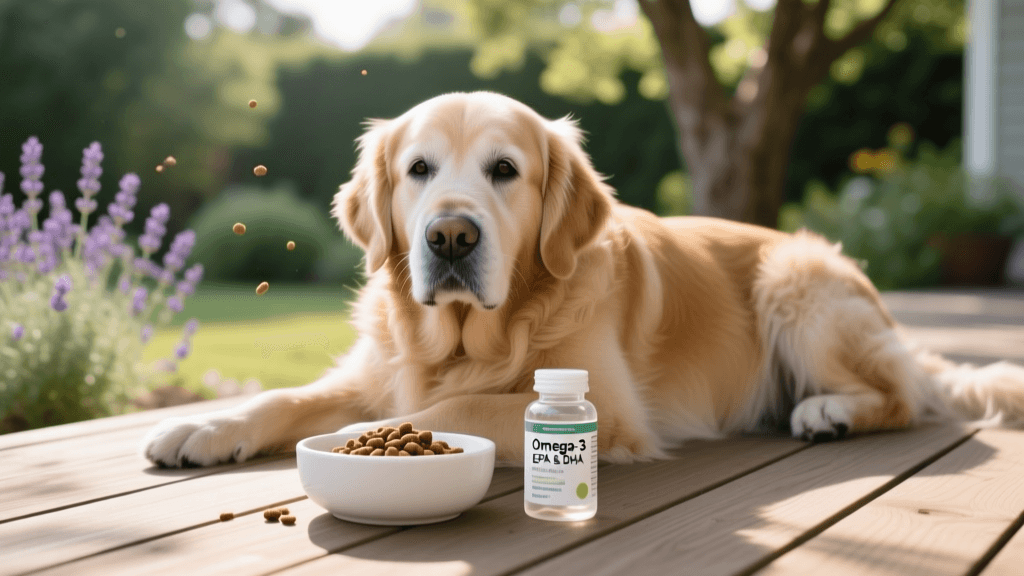
Liquid Omega-3 oils must be refrigerated immediately after opening. Pump bottles are vastly superior to squeeze bottles or tubs, as they prevent ambient oxygen from entering the container and degrading the oil. For capsules, store them in a cool, dark pantry away from direct sunlight and heat sources.
Crucial Medication Interactions
Omega-3 fatty acids possess mild anti-coagulant (blood-thinning) properties. While this is beneficial for cardiovascular health, it can be dangerous if your senior dog is already taking Non-Steroidal Anti-Inflammatory Drugs (NSAIDs) like Carprofen or Meloxicam for arthritis, or if they have a scheduled surgery. The American Kennel Club (AKC) Health Resources consistently advises pet owners to consult their primary veterinarian before combining high-dose fatty acid supplements with prescription medications to prevent prolonged bleeding times or gastrointestinal ulceration risks.
Final Thoughts on Senior Canine Wellness
Optimizing your senior dog's health in 2026 requires moving beyond generic multivitamins and embracing targeted, science-backed nutritional therapies. By understanding the distinct roles of EPA and DHA, adhering to therapeutic dosing matrices, and demanding third-party tested quality, you can profoundly impact your aging dog's quality of life. Whether you are fighting joint stiffness, preserving precious memories, or supporting a weary heart, the right Omega-3 protocol is one of the most powerful tools in your holistic veterinary arsenal.
hannah-wickes
All our authors care for dogs every day — read more of their work on the authors page.