Step-by-Step Guide to Brushing Your Dog's Teeth Safely
Learn how to brush your dog's teeth with our step-by-step training guide. Protect your pup's dental health and prevent periodontal disease today.
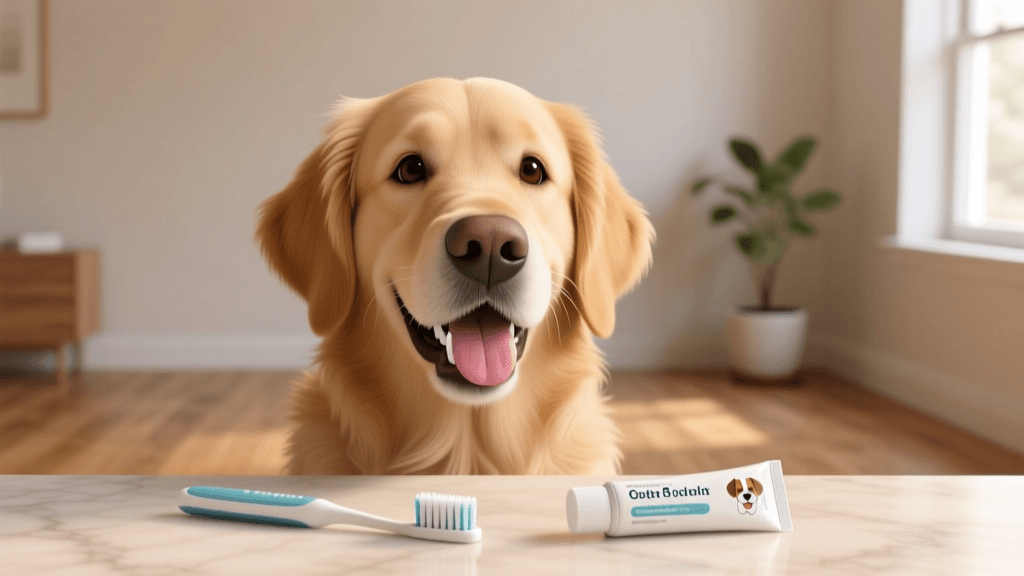
The Hidden Danger of Canine Periodontal Disease
When we think about our dogs' health, we often focus on diet, exercise, and vaccinations. However, dental hygiene is one of the most critical—and most overlooked—aspects of canine wellbeing. According to the American Kennel Club, over 80% of dogs show signs of periodontal disease by the time they reach three years of age. Left untreated, dental disease causes severe pain, tooth loss, and can even lead to systemic infections that affect the heart, liver, and kidneys.
Because dogs cannot brush their own teeth, it is up to us to intervene. However, simply shoving a toothbrush into a dog's mouth is a recipe for a bite wound and a lifetime of fear. As a core component of your dog's health and wellbeing routine, teaching your dog to accept toothbrushing requires patience, positive reinforcement, and a structured desensitization protocol. This step-by-step training guide will walk you through the exact process of turning dental care into a stress-free bonding experience.
Essential Supplies for Dog Toothbrushing
Before you begin training, you must gather the correct tools. Never use human toothpaste, as ingredients like fluoride and xylitol are highly toxic to dogs. Instead, invest in veterinary-approved enzymatic toothpaste, which is designed to be swallowed and actively breaks down plaque.
| Item | Description & Recommendations | Estimated Cost |
|---|---|---|
| Enzymatic Dog Toothpaste | Poultry or beef flavored. Brands like Virbac C.E.T. or Sentry are highly recommended. Must contain glucose oxidase or lactoperoxidase enzymes. | $8 - $15 |
| Dual-Head Dog Toothbrush | Designed to clean both sides of the tooth simultaneously. Look for soft, angled bristles to reach the gumline safely. | $5 - $10 |
| Finger Brush | A silicone brush that fits over your index finger. Excellent for small breeds or puppies during the initial desensitization phase. | $3 - $6 |
| High-Value Training Treats | Soft, smelly treats like boiled chicken breast, freeze-dried liver, or xylitol-free peanut butter to create positive associations. | $5 - $12 |
Step-by-Step Training Guide to Brushing Your Dog's Teeth
Training your dog to tolerate dental care relies on classical conditioning and systematic desensitization. Do not rush these phases. If your dog shows signs of stress (whale eye, lip licking, yawning, or pulling away), take a step back to the previous successful phase.
Phase 1: Muzzle Desensitization (Days 1 to 5)
Your first goal is to teach your dog that hands near their face predict wonderful things. Choose a quiet time when your dog is naturally relaxed, such as after a long walk or in the evening while watching TV.
- Step 1: Gently touch your dog's muzzle for one second, then immediately give a high-value treat.
- Step 2: Gradually increase the duration of your touch to 3 seconds, then 5 seconds.
- Step 3: Once your dog is comfortable with muzzle touching, gently lift their upper lip to expose the canine teeth. Hold for 2 seconds, release, and reward.
- Step 4: Progress to rubbing your bare index finger along the outside of their gums and teeth. Keep sessions under 3 minutes. End on a positive note with a jackpot reward (a handful of treats).
Phase 2: Introducing the Taste (Days 6 to 10)
Now it is time to introduce the enzymatic toothpaste. Because these toothpastes are flavored like poultry, beef, or malt, most dogs view them as a treat.
- Step 1: Squeeze a pea-sized amount of dog toothpaste onto your index finger.
- Step 2: Allow your dog to lick it off freely. Let them associate the scent and taste with a positive experience.
- Step 3: Once they eagerly lick the paste, apply a small amount to your finger and gently rub it along their gums and teeth, just as you did in Phase 1. The enzymes will begin working on the plaque, and your dog will learn that the paste means a gentle gum massage and a tasty snack.
Phase 3: Introducing the Brush (Days 11 to 14)
Transitioning from a finger to a physical brush can be startling for some dogs. Take this step slowly.
- Step 1: Place a dab of toothpaste on the dog toothbrush or finger brush and let your dog lick it off. Do not attempt to brush yet.
- Step 2: Allow your dog to investigate the brush with their nose and mouth. Reward any calm interaction.
- Step 3: Gently touch the bristles to your dog's front canine teeth without making a brushing motion. Reward immediately.
- Step 4: Make one or two gentle sweeping motions on the easily accessible canine teeth. Praise enthusiastically and offer a treat.
Phase 4: The First Brush and Building Duration (Days 15+)
Once your dog is comfortable with the brush touching their teeth, you can begin the actual brushing process. Focus primarily on the buccal (outer) surfaces of the teeth, as a dog's tongue naturally helps keep the inner surfaces relatively clean.
- Step 1: Lift the lip and position the brush at a 45-degree angle to the gumline. This is where plaque accumulates and causes gingivitis.
- Step 2: Use small, gentle circular motions. Focus on the maxillary fourth premolar and mandibular first molar (the large carnassial teeth in the back of the mouth), as these are the most prone to severe tartar buildup.
- Step 3: Start with just 10 seconds of brushing per side. Gradually build up to 30, then 60 seconds over the course of several weeks.
- Step 4: Always follow the brushing session with a high-value reward, a favorite toy, or a short play session to solidify the positive association.
Understanding Canine Dental Anatomy
To brush effectively, it helps to understand what you are cleaning. Adult dogs have 42 teeth. The most critical teeth to focus your brushing efforts on are the carnassial teeth and the canines. The carnassials act as shears for chewing and have deep grooves where food debris and bacteria easily become trapped. If you are struggling to reach the back teeth, prioritize the outer surfaces of the upper jaw, as salivary glands empty directly near these teeth, accelerating tartar calcification.
Troubleshooting Common Training Hurdles
Even with careful desensitization, you may encounter resistance. Here is how to handle common issues:
- The Dog Bites the Brush: This is often a play response or a sign of teething in puppies. Switch to a silicone finger brush, which is less likely to damage gums if bitten, and redirect biting behavior to a chew toy immediately after the session.
- The Dog Runs Away: You are likely moving too fast or the toothpaste flavor is unappealing. Go back to Phase 1 for a week. Try switching the toothpaste flavor from poultry to beef or malt.
- Gagging or Sneezing: You may be using too much toothpaste or brushing too far back on the tongue. Remember, you only need a pea-sized amount, and you only need to brush the outer surfaces of the teeth.
Alternatives and Maintenance
While daily brushing is the gold standard for preventing periodontal disease, it is not always possible due to a dog's temperament, age, or severe dental pain. If your dog absolutely will not tolerate a brush, you must explore alternative dental care options. The American Veterinary Medical Association (AVMA) recommends regular professional veterinary dental cleanings under anesthesia as the most effective way to remove subgingival tartar that brushing cannot reach.
For daily at-home maintenance between professional cleanings, look for products that carry the Veterinary Oral Health Council (VOHC) seal of acceptance. The VOHC independently tests and verifies that dental chews, water additives, and specialized diets actually reduce plaque and tartar. Products like Purina Pro Plan Veterinary Diets Dental Chew or Greenies Original Dental Dog Treats have earned this seal and can provide mechanical abrasion to help keep teeth clean when brushing is not an option.
Conclusion
Training your dog to accept toothbrushing is an investment in their long-term health and wellbeing. By utilizing a step-by-step desensitization approach, utilizing the right enzymatic products, and maintaining patience, you can protect your dog from the painful effects of periodontal disease. Remember to pair every dental session with positive reinforcement, and always consult your veterinarian if you notice red, swollen gums, bad breath, or broken teeth during your home care routine.
priya-sutaria
All our authors care for dogs every day — read more of their work on the authors page.