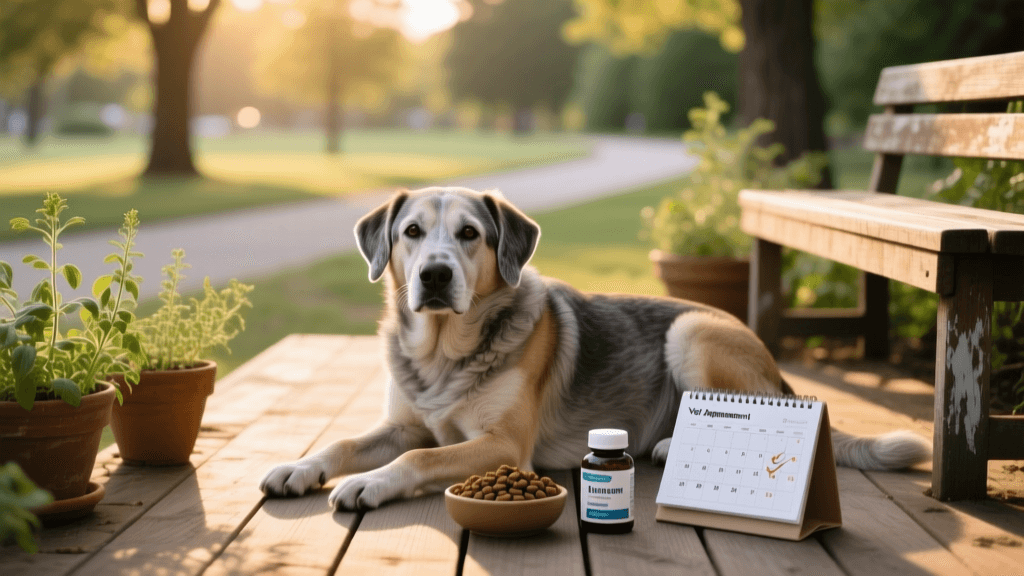
Senior Dog Joint Supplements: A Complete Mobility Guide
Explore top joint supplements for senior dogs. Learn how glucosamine, chondroitin, and omega-3s improve your aging dog's mobility and daily comfort.

Understanding Canine Osteoarthritis in the Golden Years
As your beloved canine companion transitions into their senior years, you may notice subtle changes in their daily routine. The once-boundless energy that propelled them to the dog park is now replaced by a slower gait, hesitation before jumping onto the couch, and stiffness after a long nap. While aging is a natural process, chronic joint pain does not have to be an unavoidable consequence of growing older. Understanding the mechanisms behind joint degradation and implementing a targeted nutritional and environmental strategy can profoundly improve your senior dog's quality of life.
Osteoarthritis (OA), also known as degenerative joint disease, is the most common chronic disease in older dogs. It occurs when the protective cartilage that cushions the ends of bones wears down over time, leading to bone-on-bone friction, inflammation, and chronic pain. According to veterinary experts at the Texas A&M College of Veterinary Medicine, osteoarthritis involves the progressive breakdown of joint cartilage and is estimated to affect up to 80% of dogs over the age of eight. Because dogs are masters at masking pain, proactive joint care is essential long before severe limping occurs.
The Core Ingredients in Senior Dog Joint Supplements
When managing senior dog joint health, a multi-modal approach is essential. Joint supplements, often referred to as nutraceuticals, provide the building blocks necessary for cartilage repair and the anti-inflammatory compounds needed to soothe aching joints. Here are the most scientifically backed ingredients to look for when selecting a mobility supplement for your aging dog.
Glucosamine and Chondroitin Sulfate
Glucosamine is an amino sugar naturally produced in your dog's body that serves as a foundational building block for glycosaminoglycans, which are vital components of joint cartilage. As dogs age, their natural production of glucosamine slows down, making supplementation necessary. Chondroitin sulfate is frequently paired with glucosamine; it works by inhibiting the destructive enzymes that break down cartilage while drawing water into the joint space to improve shock absorption. For optimal results, look for supplements that utilize Glucosamine Hydrochloride (HCL) or Glucosamine Sulfate, as these have the highest bioavailability.
Omega-3 Fatty Acids (EPA and DHA)
While glucosamine and chondroitin focus on structural support, Omega-3 fatty acids tackle the inflammatory response. Specifically, Eicosapentaenoic acid (EPA) and Docosahexaenoic acid (DHA) derived from marine fish oils or krill oil are powerful anti-inflammatories. The American Kennel Club (AKC) frequently recommends Omega-3 supplementation for senior dogs, noting that these fatty acids help reduce joint swelling and improve overall mobility. When checking labels, ensure the supplement specifies the exact milligram amounts of EPA and DHA, rather than just listing "fish oil" as a generic ingredient.
Green-Lipped Mussel and MSM
Green-Lipped Mussel (GLM) extract, sourced from New Zealand, is a superfood for aging joints. It contains a unique combination of Omega-3s, glycosaminoglycans, and antioxidants that work synergistically to reduce joint inflammation. Methylsulfonylmethane (MSM) is an organic sulfur compound that supports the formation of connective tissue and acts as a natural analgesic, helping to dull the pain signals associated with chronic osteoarthritis.
Ingredient Comparison and Dosage Guide
Dosing joint supplements correctly is critical. Under-dosing will yield no results, while over-dosing is a waste of money and may cause gastrointestinal upset. Below is a structured guide to the primary ingredients, their benefits, and general maintenance dosages for an average 50-pound senior dog. Always consult your veterinarian to tailor these dosages to your dog's specific weight and health status.
| Active Ingredient | Primary Benefit | Typical Daily Maintenance Dose (50 lb Dog) | Time to Notice Results |
|---|---|---|---|
| Glucosamine HCL | Cartilage building and repair | 500 mg - 1,000 mg | 4 to 6 weeks |
| Chondroitin Sulfate | Prevents cartilage breakdown | 400 mg - 800 mg | 4 to 8 weeks |
| EPA/DHA (Omega-3s) | Reduces systemic inflammation | 1,000 mg - 1,500 mg (combined) | 2 to 4 weeks |
| MSM | Connective tissue support & pain relief | 500 mg - 1,000 mg | 2 to 4 weeks |
| Green-Lipped Mussel | Comprehensive joint lubrication | 300 mg - 500 mg | 4 to 6 weeks |
Choosing the Right Format: Chews, Liquids, and Powders
The efficacy of a joint supplement is entirely dependent on your dog actually consuming it daily. Senior dogs can be notoriously picky eaters, and their dental health may make hard tablets difficult to chew.
- Soft Chews: These are highly palatable, treat-like supplements that often include flavorings like chicken, beef, or peanut butter. They are excellent for dogs that refuse pills, but they tend to be the most expensive format, costing between $30 and $50 per month. Be mindful of the calorie content, as chews can contribute to unwanted weight gain.
- Liquids and Oils: Omega-3 rich oils or liquid glucosamine blends can be easily pumped over your dog's regular kibble. This is ideal for dogs with missing teeth or severe dental disease. Liquids absorb quickly but must be stored in the refrigerator to prevent the fats from oxidizing and going rancid.
- Powders: Unflavored or lightly flavored powders are highly versatile and cost-effective, usually ranging from $20 to $35 per month. They can be mixed into wet food, bone broth, or plain yogurt. However, they can be messy and may clump if not mixed thoroughly.
Weight Management: The Most Critical Joint Intervention
No joint supplement on the market can outwork the biomechanical stress caused by excess body fat. Every extra pound of weight places exponential, rather than linear, stress on a dog's weight-bearing joints, particularly the hips, knees, and spine. Maintaining an ideal Body Condition Score (BCS) is the single most effective way to slow the progression of osteoarthritis. You should be able to easily feel your senior dog's ribs without pressing hard, and they should have a visible abdominal tuck when viewed from the side. If your dog is overweight, consult your vet about a prescription joint-support weight management diet, which is formulated to be low in calories but high in joint-nourishing nutrients and fiber to keep your dog feeling full.
Environmental Modifications for Aging Joints
Supplements work from the inside out, but modifying your home environment provides immediate, outside-in relief for your aging dog's musculoskeletal system. Implementing the following adjustments can drastically reduce daily joint strain:
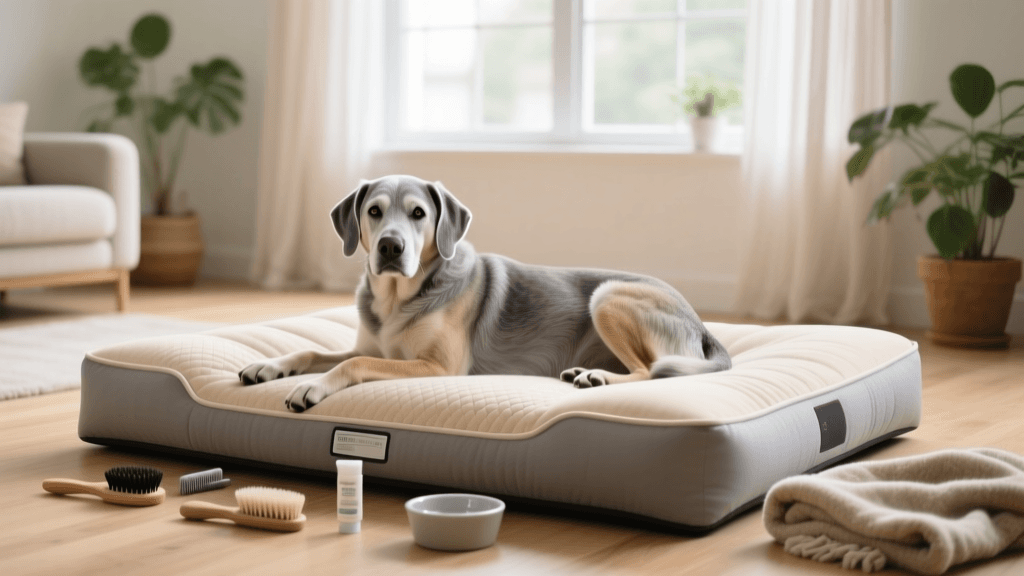
- Orthopedic Bedding: Swap out thin, flattening dog beds for high-density memory foam orthopedic beds. Look for beds that are at least 4 to 6 inches thick to ensure the foam does not bottom out under your dog's weight, which can cause pressure sores and joint stiffness.
- Non-Slip Flooring: Hardwood, tile, and laminate floors are incredibly slippery and force dogs to use micro-muscles in their legs to stabilize themselves, leading to fatigue and potential injury. Place interlocking foam mats, yoga mats, or non-slip area rugs in high-traffic areas, especially near their food bowls and sleeping areas.
- Ramps and Stairs: Jumping into an SUV or onto a high bed creates massive concussive forces on the front and rear assemblies. Invest in a sturdy, foldable pet ramp with a high-traction surface for vehicle loading, and place foam pet stairs next to their favorite sleeping spots on the bed or couch.
Low-Impact Exercise Routines
Movement is medicine, but the type of movement matters immensely for senior dogs. High-impact activities like fetching tennis balls on hard pavement or leaping for frisbees should be retired. Instead, focus on low-impact exercises that maintain muscle mass—which acts as a crucial shock absorber for the joints—without causing micro-trauma to the cartilage. Short, frequent "sniffaris" (leisurely walks focused on mental enrichment and sniffing rather than distance) are excellent. If accessible, canine hydrotherapy or swimming is the gold standard for senior joint care, as the buoyancy of the water removes gravitational stress while the resistance builds supporting muscle mass.
Creating a Comprehensive Mobility Plan
Managing a senior dog's joint health requires a proactive, multi-faceted strategy. While high-quality joint supplements containing glucosamine, chondroitin, and Omega-3s are vital tools in your arsenal, they are most effective when combined with strict weight management, environmental modifications, and appropriate low-impact exercise. Before introducing any new supplement, especially if your dog is currently taking prescription Non-Steroidal Anti-Inflammatory Drugs (NSAIDs) or other medications, always schedule a thorough wellness exam with your veterinarian. By combining veterinary guidance with dedicated at-home care, you can ensure your senior dog's golden years are comfortable, active, and filled with joy.
marcus-aldridge
All our authors care for dogs every day — read more of their work on the authors page.