Senior Dog Care: A Complete Geriatric Wellness Guide
Discover essential senior dog care tips, from joint supplements and diet changes to vet visit schedules, ensuring your aging dog lives comfortably.
When Does a Dog Become a Senior?
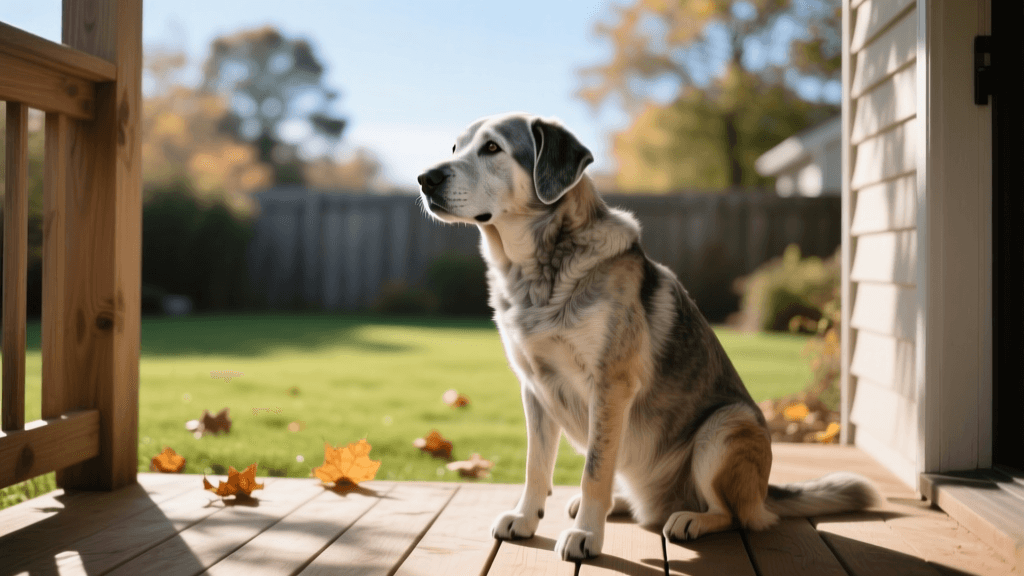
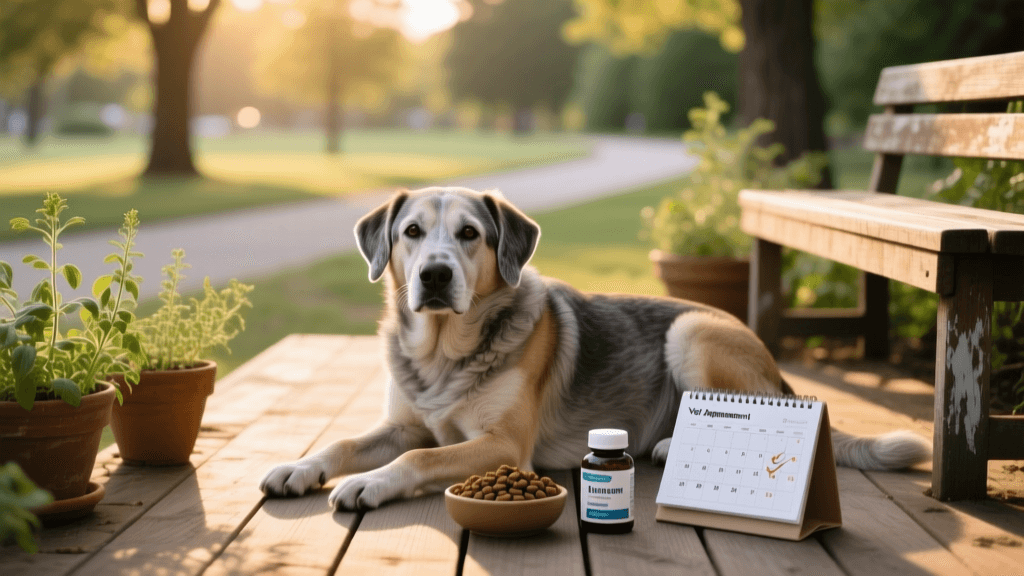
The transition from adulthood to the senior life stage is not marked by a single universal birthday. Instead, a dog's senior status is heavily influenced by their breed and size. According to the American Animal Hospital Association (AAHA), small breed dogs (under 20 pounds) are generally considered seniors around 10 to 12 years of age. Medium breeds (21 to 50 pounds) reach this milestone at 8 to 10 years, while large and giant breeds (over 50 pounds) can enter their geriatric years as early as 6 to 8 years old. Recognizing this transition is the first critical step in adapting your care routine to support their aging body and mind.
As your dog enters their golden years, their metabolism slows, cellular repair mechanisms become less efficient, and the risk for chronic conditions such as osteoarthritis, renal disease, and canine cognitive dysfunction increases. Proactive, stage-specific care is essential to maintain their quality of life.
Nutritional Adjustments for the Aging Canine
One of the most common misconceptions about senior dogs is that they universally require low-protein diets. In reality, unless your dog has been diagnosed with specific renal or hepatic issues, aging dogs need high-quality, easily digestible protein to prevent sarcopenia (muscle wasting). The Tufts University Cummings School of Veterinary Medicine emphasizes that healthy senior dogs should continue to receive adequate protein to maintain lean body mass.
Caloric Management and Weight Control
Because older dogs typically exercise less, their caloric requirements can drop by up to 20%. Obesity exacerbates joint pain and strains the cardiovascular system. Transition to a senior-specific formula that offers fewer calories per cup but higher fiber to maintain satiety. Brands like Hill's Science Diet Youthful Vitality or Royal Canin Aging are formulated with this exact balance.
Targeted Supplementation
- Omega-3 Fatty Acids (EPA/DHA): Crucial for managing joint inflammation and supporting cognitive health. Aim for a combined EPA/DHA dose of 300-500mg per 10 pounds of body weight daily. High-quality fish oil pumps, such as those from Nordic Naturals or Grizzly Salmon Plus, make dosing precise.
- Glucosamine and Chondroitin: To support cartilage health, look for supplements containing at least 500mg of Glucosamine HCl and 400mg of Chondroitin Sulfate for a 50-pound dog. Dasuquin Advanced is a veterinarian-recommended option that includes ASU for enhanced joint matrix support.
- MCT Oil: Medium-chain triglycerides provide an alternative energy source for aging brains, helping to mitigate signs of Canine Cognitive Dysfunction (CCD). Start with 1/4 teaspoon per 10 pounds of body weight, gradually increasing to avoid gastrointestinal upset.
The Bi-Annual Veterinary Wellness Exam
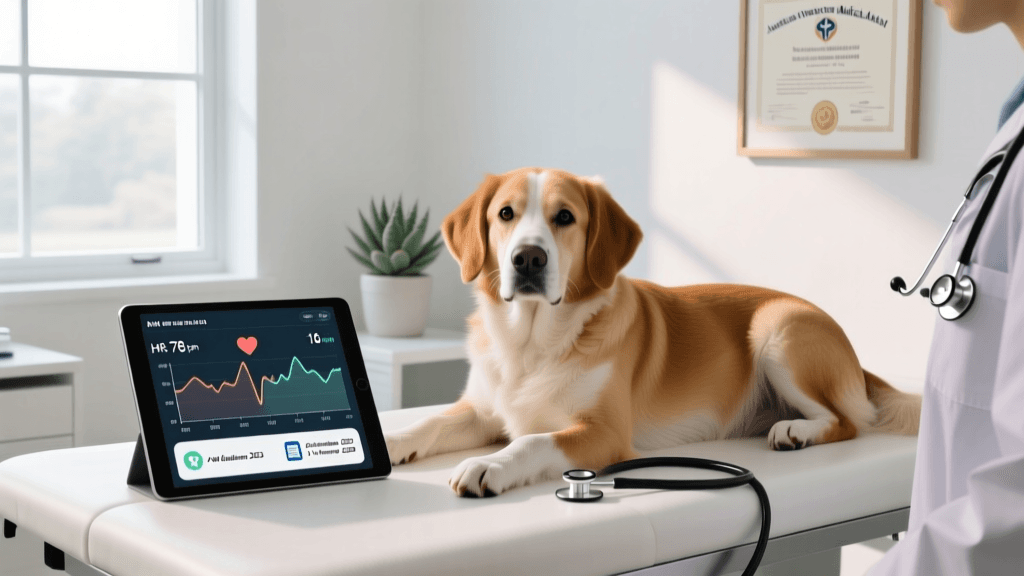
While an annual vet visit suffices for healthy adult dogs, senior dogs should be evaluated every six months. A lot can change in a geriatric dog's health within a half-year. The cornerstone of the senior veterinary visit is the comprehensive diagnostic blood panel.
What the Senior Blood Panel Reveals
A complete senior panel goes beyond the basic wellness check. It typically includes a Complete Blood Count (CBC), a comprehensive Chemistry Panel, a Thyroid (Total T4) test, and a Urinalysis. The urinalysis is particularly vital; it is the earliest indicator of kidney disease and helps detect subclinical urinary tract infections or diabetes. According to the American Kennel Club (AKC), early detection of conditions like hypothyroidism or chronic kidney disease through bi-annual screening can add years to your dog's life through early dietary and medical intervention.
Cost Expectation: Expect to pay between $150 and $250 for a comprehensive senior blood panel, depending on your geographic location and whether the tests are run in-house or sent to an external laboratory like IDEXX or Antech.
Home Modifications for Mobility and Comfort
Osteoarthritis affects an estimated 80% of dogs over the age of eight. Making your home accessible and comfortable is a non-negotiable aspect of senior dog care.
- Orthopedic Bedding: Ditch the flat, stuffed beds. Invest in a high-density orthopedic mattress. The Big Barker 7-inch Pillow Top Orthopedic Dog Bed (approx. $250) is clinically shown to reduce joint pain and improve mobility in large breeds.
- Ramps and Stairs: Jumping on and off furniture or into SUVs causes micro-traumas to aging joints. Use a ramp like the PetSafe Solvit UltraLite Bi-Fold Pet Ramp ($40-$60) for vehicle loading, and place foam pet stairs next to the bed or sofa.
- Floor Traction: Hardwood and tile floors are hazardous for dogs with weakened hindquarters. Lay down interlocking foam puzzle mats or non-slip area rugs in high-traffic zones and near their bed to prevent catastrophic slips and falls.
- Raised Feeding Stations: Elevating food and water bowls by 4 to 8 inches (depending on the dog's height) reduces neck strain and can aid in digestion, particularly for large, deep-chested breeds.
Senior Dog Wellness Checklist and Estimated Costs
Budgeting for a senior dog requires anticipating new expenses related to preventive care and comfort. Below is a structured breakdown of annual senior care investments.
| Care Category | Specific Item / Service | Frequency | Estimated Cost |
|---|---|---|---|
| Veterinary | Senior Wellness Exam & Blood Panel | Every 6 Months | $150 - $250 |
| Nutrition | Premium Senior Formulated Diet | Monthly | $50 - $90 |
| Supplements | Omega-3 Fish Oil & Joint Support | Monthly | $25 - $45 |
| Home Comfort | Orthopedic Bed & Non-Slip Rugs | One-Time / Replace every 3-5 yrs | $150 - $300 |
| Mobility Aids | Vehicle Ramp & Support Harness | One-Time | $60 - $120 |
Cognitive Health and Mental Stimulation
Physical health is only half the equation; mental acuity requires equal attention. Canine Cognitive Dysfunction (CCD) is akin to Alzheimer's disease in humans. Signs include disorientation, changes in sleep-wake cycles, house soiling, and altered interactions with family members.
To keep your senior dog's brain sharp, engage them in low-impact mental enrichment. Snuffle mats, which hide kibble within fabric strips, encourage natural foraging behaviors and provide excellent mental fatigue without physical strain. Puzzle toys like the Kong Classic, stuffed with soft senior dog food or pureed pumpkin and frozen, offer sustained engagement. Furthermore, maintain a consistent daily routine. Aging dogs rely heavily on predictability to feel secure, and sudden changes to their environment or schedule can induce severe anxiety.
Gentle Exercise and Physical Therapy
While your senior dog may no longer be able to join you on five-mile runs, complete rest is detrimental. 'Motion is lotion' for arthritic joints. Replace long, strenuous hikes with multiple short, 10-to-15-minute leash walks on soft surfaces like grass or dirt trails. If your dog is struggling with mobility, consider canine hydrotherapy. The buoyancy of the water supports their weight while the resistance builds muscle and improves cardiovascular health without joint impact.
'Aging is not a disease, but it does require a shift in how we manage our dogs' daily lives. By adapting their environment, diet, and medical care to their specific life stage, we can ensure their twilight years are defined by comfort and joy.'
Conclusion
Caring for a senior dog is a profound privilege. By implementing these targeted nutritional, environmental, and medical strategies, you are doing more than just extending their lifespan—you are vastly improving their healthspan. Monitor their mobility, stay ahead of chronic diseases with bi-annual veterinary screenings, and surround them with the comfort they have so rightfully earned.
priya-sutaria
All our authors care for dogs every day — read more of their work on the authors page.