Best Orthopedic Dog Beds for Arthritis and Joint Pain
Discover the best orthopedic dog beds for arthritis and joint pain. Compare top memory foam beds, pricing, and features to keep your senior dog comfortable.
The Importance of Orthopedic Support for Arthritic Dogs
As our canine companions age, their mobility often declines due to osteoarthritis, hip dysplasia, or general joint wear and tear. According to VCA Hospitals, arthritis is a degenerative joint disease that affects a significant percentage of senior dogs, causing chronic pain, stiffness, and inflammation. While medication and dietary supplements are crucial components of a veterinary pain management plan, the environment in which your dog rests plays an equally vital role in their daily comfort and recovery.
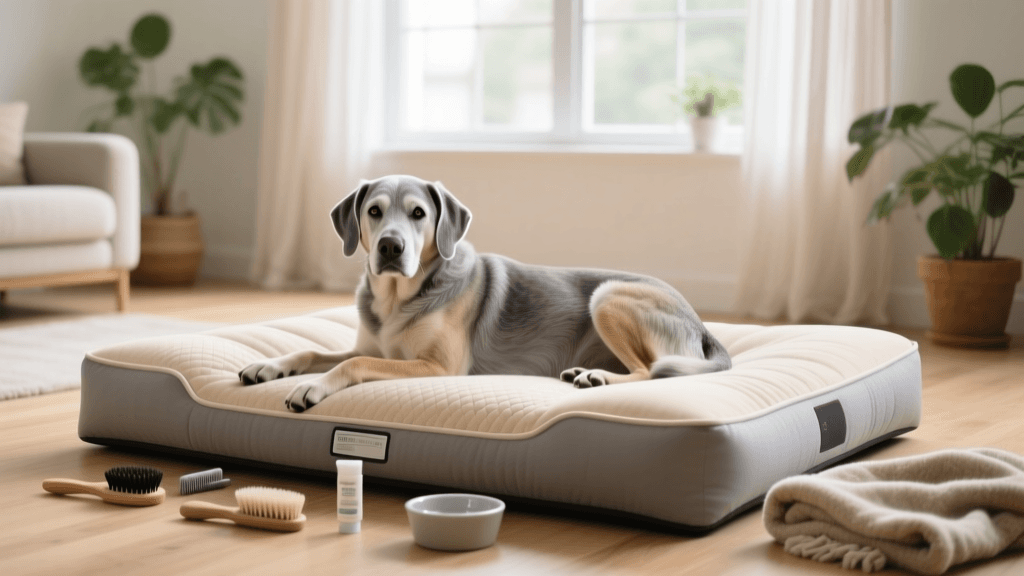
A standard polyester-filled dog bed offers virtually no structural support. When a dog with joint pain lies on a soft, compressible surface, their heavy joints sink through the padding and press directly against the hard floor. This bottoming-out effect exacerbates inflammation and disrupts sleep cycles. An orthopedic dog bed, specifically engineered with high-density therapeutic foam, distributes the dog's body weight evenly, alleviating pressure points on the hips, elbows, and shoulders. In this comprehensive buyer's guide, we evaluate the best orthopedic dog beds on the market, breaking down foam density, cover durability, pricing, and sizing to help you make an informed investment in your dog's health.
Critical Buying Criteria for Orthopedic Dog Beds
Not every bed labeled as orthopedic is created equal. Many budget brands use cheap egg-crate foam that flattens within weeks. When shopping for a bed to manage canine arthritis, you must evaluate the following structural features:
1. Foam Density and Thickness
Memory foam is measured by its density, typically expressed in pounds per cubic foot (lb/ft³). For large breed dogs over 50 pounds suffering from severe arthritis, you need a foam density of at least 4.0 lb/ft³ to 5.0 lb/ft³. Additionally, the bed should be a minimum of 4 inches thick for medium dogs and 7 inches thick for giant breeds to prevent bottoming out.
2. Waterproof Inner Liners
Senior dogs frequently experience incontinence. A high-quality orthopedic bed must feature a waterproof inner liner that encases the foam. This prevents urine or moisture from seeping into the foam, which can harbor bacteria, cause odors, and degrade the structural integrity of the memory foam.
3. Bolsters and Headrests
Dogs with cervical arthritis or those who simply prefer to rest their heads benefit greatly from bolstered edges. Bolsters also provide a physical boundary that helps dogs with cognitive dysfunction or vision loss feel secure and oriented while they sleep.
4. Non-Slip Bottom and Cover Material
Dogs with weak hind legs need traction when standing up. A bed with a rubberized, non-slip bottom prevents the bed from sliding across hardwood floors, reducing the risk of falls and muscle strains. The outer cover should be made of heavy-duty canvas, microvelvet, or tear-resistant twill, and must be fully removable and machine washable.
Top 3 Orthopedic Dog Beds Reviewed
Based on veterinary recommendations, material durability, and long-term user feedback, here are the top three orthopedic beds for dogs with joint pain.
1. Big Barker 7-Inch Pillow Top Orthopedic Dog Bed (Premium Pick)
Best for: Large and giant breeds with severe hip dysplasia or advanced arthritis.
- Foam Type: American-made therapeutic foam (4.5 lb/ft³ density base with a 2-inch comfort layer).
- Thickness: 7 inches total.
- Cover: Microfiber suede, machine washable.
- Price Range: $259 - $359 depending on size.
Review: The Big Barker is widely considered the gold standard for large breed orthopedic support. Its proprietary foam blend is engineered to retain 90% of its original shape and support for a full 10 years, a claim backed by a decade-long warranty. The 7-inch thickness ensures that even a 150-pound Great Dane or Mastiff will not bottom out. While the price point is steep, the cost-per-year over its lifespan makes it a highly cost-effective medical investment for large senior dogs.
2. PetFusion Ultimate Dog Bed (Best Overall Value)
Best for: Medium to large dogs needing a mix of joint support and neck bolstering.
- Foam Type: Solid 4-inch memory foam base with 2-inch recycled poly-fill bolsters.
- Thickness: 4 inches (base).
- Cover: Polyester-cotton twill blend, water-resistant liner included.
- Price Range: $129 - $179.
Review: The PetFusion Ultimate bed strikes an excellent balance between premium support and affordability. The solid memory foam base provides excellent pressure relief, while the substantial bolsters offer a sense of security and neck support. The cover is highly durable and features a non-slip bottom. It is an exceptional choice for breeds like Golden Retrievers and Labrador Retrievers who are entering their senior years and beginning to show signs of joint stiffness.
3. Furhaven Orthopedic Sofa Bed (Budget Pick)
Best for: Small to medium dogs with mild arthritis or as a secondary travel bed.
- Foam Type: Egg-crate orthopedic foam.
- Thickness: 3 inches.
- Cover: Plush faux fur and suede, machine washable.
- Price Range: $35 - $55.
Review: If you are on a strict budget or have a smaller dog under 40 pounds, the Furhaven Sofa Bed offers decent superficial cushioning. The egg-crate design promotes airflow and provides basic pressure distribution. However, it is not recommended for heavy dogs or those with severe orthopedic conditions, as the foam will compress significantly over time and lacks the structural density required to keep heavy joints elevated off the floor.
Product Comparison Chart
| Feature | Big Barker 7-Inch | PetFusion Ultimate | Furhaven Sofa Bed |
|---|---|---|---|
| Foam Type | Therapeutic Solid Foam | Solid Memory Foam | Egg-Crate Foam |
| Base Thickness | 7 Inches | 4 Inches | 3 Inches |
| Waterproof Liner | Yes (Optional Add-on) | Yes (Included) | No |
| Warranty | 10-Year Foam Warranty | 1-Year Limited | 30-Day Limited |
| Ideal Dog Weight | 50 - 150+ lbs | 25 - 100 lbs | Under 45 lbs |
| Estimated Cost | $259 - $359 | $129 - $179 | $35 - $55 |
How to Measure Your Dog for the Perfect Fit
Buying a bed that is too small will force your dog to curl up, which can place undue stress on the spine and restrict joint movement during sleep. To find the correct dimensions, follow these measuring steps:
- Measure Length: Have your dog lie down in their most natural, stretched-out sleeping position. Measure from the tip of their nose to the base of their tail (do not include the full tail length). Add 6 to 12 inches to this measurement to determine the minimum bed length required.
- Measure Height for Bolsters: If considering a bolstered bed like the PetFusion, measure from the floor to the top of your dog's shoulder while they are standing. The bolster should be roughly level with or slightly below their shoulder height to provide comfortable neck support without straining the cervical spine.
- Consider Sleeping Style: Dogs that sleep in a tight ball can use a bed that matches their exact measurements, while dogs that sprawl out on their sides require the maximum added length and width.
Complementary Therapies for Canine Joint Health
While an orthopedic bed is foundational, managing canine osteoarthritis requires a multimodal approach. The American Kennel Club (AKC) emphasizes that weight management is the single most effective way to slow the progression of joint disease. Every extra pound places exponential stress on compromised cartilage.
Additionally, consider integrating the following therapies into your dog's routine:
- Omega-3 Fatty Acids: High-quality fish oil supplements containing EPA and DHA act as natural anti-inflammatories, reducing joint swelling and improving mobility.
- Controlled Low-Impact Exercise: Short, frequent walks on soft surfaces like grass or dirt trails help maintain muscle mass, which in turn supports the joints. Avoid sudden sprinting or jumping.
- Physical Therapy and Hydrotherapy: Underwater treadmills and targeted laser therapy, often available through veterinary rehabilitation centers, can significantly improve range of motion. Cornell University College of Veterinary Medicine notes that comprehensive pain management plans combining environmental modifications (like orthopedic beds) with medical therapies yield the highest quality of life for senior pets.
- Heating Pads: For dogs that experience severe morning stiffness, placing a pet-safe, low-heat heating pad over their orthopedic bed for 10-15 minutes before they wake up can loosen tight muscles and encourage easier movement.
Maintenance and Cleaning Best Practices
To maximize the lifespan of your orthopedic bed and maintain a hygienic environment for your dog's skin and coat, adhere to a strict cleaning schedule. Wash the outer cover every two weeks using a hypoallergenic, fragrance-free detergent to prevent contact dermatitis. Never machine wash the memory foam itself; instead, spot clean the foam with a mixture of white vinegar and water, then allow it to air dry completely in a well-ventilated area before replacing the cover. Vacuum the bed weekly using an upholstery attachment to remove dander, dirt, and flea debris.
Final Thoughts
Investing in a high-quality orthopedic dog bed is one of the most compassionate and effective ways to manage your dog's arthritis at home. While the upfront cost of premium beds like the Big Barker or PetFusion may seem high, the resulting improvement in your dog's sleep quality, morning mobility, and overall mood is invaluable. By pairing the right supportive sleep surface with veterinary-guided weight management and joint supplements, you can ensure your senior companion enjoys their golden years with the comfort and dignity they deserve.
anouk-beaumont
All our authors care for dogs every day — read more of their work on the authors page.