Common Toxic Plants For Dogs In The Garden
Learn about common toxic plants for dogs in the garden with expert tips and data-backed advice.
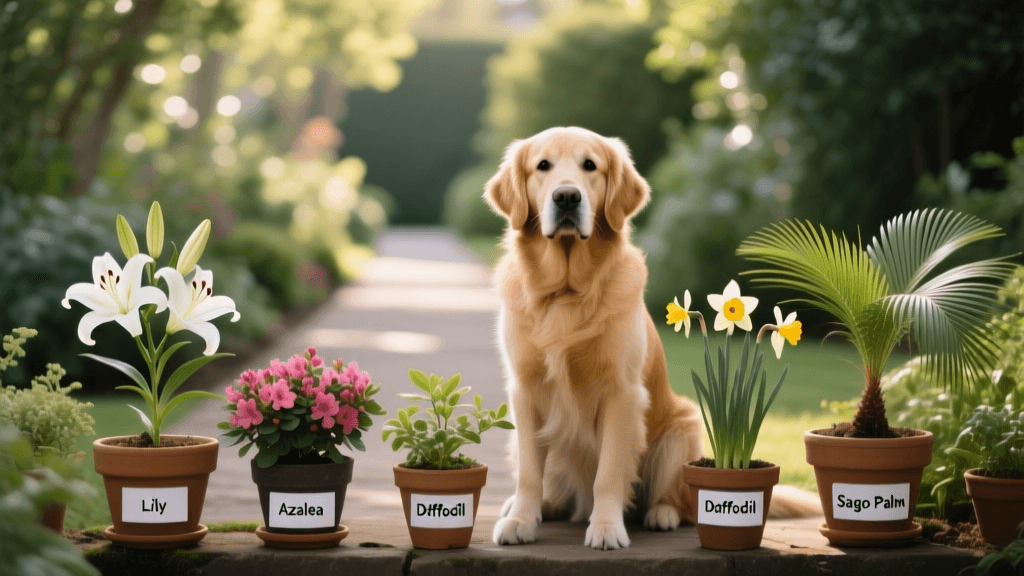
The Hidden Dangers Growing in Your Garden
Many of the plants that make British gardens beautiful can pose a serious — sometimes fatal — risk to dogs. The problem is not rare: the Veterinary Poisons Information Service (VPIS) receives over 10,000 calls per year relating to potential animal poisonings, with plants consistently ranking among the top five categories of reported exposures. Dogs are naturally curious, and a garden that looks perfectly safe to human eyes can contain multiple hazards at ground level, where a dog's nose and mouth spend most of their time.
Understanding which plants are dangerous, what symptoms to watch for, and how quickly you need to act can make the difference between a full recovery and a tragedy. This guide covers the most commonly encountered toxic plants in UK gardens, drawing on guidance from the British Small Animal Veterinary Association (BSAVA) and the People's Dispensary for Sick Animals (PDSA).
Plants That Are Toxic to Dogs: The Most Common Offenders
Toxicity in plants varies enormously — some cause mild gastrointestinal upset, while others can trigger cardiac arrest or acute kidney failure within hours. The severity of a reaction depends on the plant species, the part of the plant consumed (leaves, berries, bulbs, or seeds are often the most concentrated sources of toxins), the amount ingested, and the size and health of the dog.
Autumn Crocus and Daffodil Bulbs
Autumn crocus (Colchicum autumnale) is one of the most dangerous plants a dog can encounter in a UK garden. It contains colchicine, an alkaloid that interferes with cell division. According to the BSAVA (2022), ingestion of even small quantities — as little as 0.1% of a dog's body weight in plant material — can cause severe multi-organ failure. Symptoms may be delayed by 2–12 hours after ingestion, which means owners sometimes do not connect the plant exposure to the sudden deterioration in their dog's condition.
Daffodil bulbs (Narcissus spp.) contain lycorine and other alkaloids concentrated primarily in the bulb. Dogs that dig in garden beds in autumn and spring are at particular risk. The PDSA notes that vomiting typically begins within 15–30 minutes of ingestion, and in severe cases, dogs may experience low blood pressure, tremors, and cardiac arrhythmias.
Rhododendron and Azalea
Rhododendrons and azaleas are among the most widely planted ornamental shrubs in the UK, and both are highly toxic to dogs. They contain grayanotoxins, which disrupt sodium channels in cell membranes. As few as 0.2% of a dog's body weight in leaves can cause clinical signs. A 10 kg Cocker Spaniel, for example, could be seriously affected by consuming just 20 grams of leaves — roughly a small handful.
Symptoms typically appear within 6 hours and include excessive drooling, vomiting, diarrhoea, weakness, and in severe cases, cardiovascular collapse. The Royal Veterinary College (RVC) in Hertfordshire has documented cases where dogs required intensive care hospitalisation for 24–48 hours following rhododendron ingestion.
Yew
Yew (Taxus baccata) is found in gardens, churchyards, and hedgerows across the UK. Almost every part of the plant — bark, leaves, and seeds — contains taxine alkaloids. The red berries are attractive to dogs, but the seed inside the fleshy aril is the most toxic component. Death can occur within hours of ingestion, and there is no specific antidote. The VPIS classifies yew as a Category 1 toxin, meaning any suspected ingestion warrants immediate emergency veterinary attention.
Ornamental Garden Plants to Remove or Fence Off
Beyond the most acutely dangerous species, a wide range of common garden plants can cause significant illness. The following are frequently encountered in UK domestic gardens and regularly reported to veterinary poison lines.
- Foxglove (Digitalis purpurea) — Contains cardiac glycosides that can cause life-threatening heart rhythm disturbances. All parts of the plant are toxic.
- Laburnum — Seeds and pods contain cytisine, a nicotinic receptor agonist. Ingestion of 0.5 mg/kg body weight can cause seizures.
- Lily of the Valley (Convallaria majalis) — Contains over 30 cardiac glycosides. Even the water in a vase containing cut stems can be toxic.
- Wisteria — Seeds and pods contain lectins and wisterin glycoside, causing vomiting, diarrhoea, and in large amounts, collapse.
- Oleander (Nerium oleander) — More common in southern Europe but increasingly grown in UK conservatories and sheltered gardens. Extremely toxic; a single leaf can be lethal to a small dog.
- Bluebells (Hyacinthoides non-scripta) — Contain glycosides that affect the heart. Bulbs are more toxic than flowers or leaves.
Vegetable Garden and Herb Hazards
The kitchen garden is not automatically safe territory. Several plants grown for human consumption are harmful to dogs, and owners who allow dogs to roam freely through vegetable patches should be aware of the following risks.
Tomato plants (Solanum lycopersicum) contain solanine in their leaves and unripe fruit. While ripe tomatoes in small quantities are generally tolerated, a dog that chews through tomato plant foliage may develop gastrointestinal signs, lethargy, and in larger exposures, weakness and confusion. Rhubarb leaves contain oxalic acid and anthraquinone glycosides; ingestion can cause kidney damage, and the PDSA advises treating any rhubarb leaf ingestion as a veterinary emergency.
Onions, garlic, leeks, and chives — all members of the Allium family — cause oxidative damage to red blood cells, leading to haemolytic anaemia. Garlic is approximately five times more toxic than onion on a per-weight basis. Clinical signs may not appear for 3–5 days after ingestion, making the link to a garden exposure easy to miss. The toxic threshold is approximately 15–30 g/kg body weight for onions, but repeated small exposures can accumulate.
Herbs That Pose a Risk
Most culinary herbs are safe for dogs in small quantities, but a few warrant caution. Pennyroyal (Mentha pulegium), sometimes grown as a ground cover, contains pulegone, which is hepatotoxic. Even small amounts of pennyroyal essential oil have caused acute liver failure in dogs. Comfrey (Symphytum officinale), used in some organic gardens as a fertiliser plant, contains pyrrolizidine alkaloids that cause cumulative liver damage with repeated exposure.
Recognising Poisoning: Symptoms and Timelines
Prompt recognition of poisoning symptoms is critical. The window for effective treatment — particularly for inducing vomiting or administering activated charcoal — is often less than two hours from ingestion. The following table summarises key toxic plants, their primary toxic compounds, and the typical onset of clinical signs.
| Plant | Primary Toxin | Onset of Symptoms | Key Clinical Signs |
|---|---|---|---|
| Autumn Crocus | Colchicine | 2–12 hours | Vomiting, bloody diarrhoea, organ failure |
| Yew | Taxine alkaloids | 30 minutes – 2 hours | Tremors, cardiac arrest, sudden death |
| Rhododendron | Grayanotoxins | 1–6 hours | Drooling, vomiting, cardiovascular collapse |
| Foxglove | Cardiac glycosides | 2–4 hours | Arrhythmia, vomiting, weakness |
| Laburnum | Cytisine | 15–60 minutes | Salivation, seizures, respiratory distress |
| Alliums (onion/garlic) | Organosulphur compounds | 3–5 days | Lethargy, pale gums, haemolytic anaemia |
"If you suspect your dog has eaten a toxic plant, do not wait for symptoms to develop. Contact your vet or the Animal Poison Line immediately. Early intervention — ideally within one to two hours of ingestion — significantly improves outcomes for most plant toxicoses." — PDSA Veterinary Guidance, 2023
What to Do If Your Dog Eats a Toxic Plant
The first step is to stay calm and act quickly. Remove your dog from the area to prevent further ingestion, and try to identify the plant — take a photograph or a sample if it is safe to do so. Do not attempt to induce vomiting at home unless specifically instructed to do so by a vet; in some cases, such as with caustic or foaming toxins, inducing vomiting can cause additional harm.
Call your veterinary practice immediately. If it is outside normal hours, contact an emergency veterinary service. In the UK, the Animal Poison Line (operated by the VPIS at the University of Surrey) provides 24-hour advice to pet owners for a consultation fee. Having the plant name, the approximate amount consumed, and your dog's weight ready will help the vet assess the risk level quickly.
Treatment will depend on the toxin involved. For many plant ingestions, the vet may administer apomorphine to induce vomiting if the ingestion was recent, followed by activated charcoal to reduce further absorption. For cardiac toxins such as those in foxglove or yew, continuous ECG monitoring and intravenous fluid support may be required. Some cases — particularly those involving yew, autumn crocus, or oleander — may require referral to a specialist internal medicine or emergency centre.
Preventing Access: Practical Garden Management
The most effective strategy is prevention. A thorough audit of your garden against a reliable toxic plant list — such as those published by the BSAVA or the Blue Cross — is a sensible starting point for any dog owner. Where toxic plants cannot be removed, physical barriers such as raised beds with edging, low fencing around ornamental borders, or supervised garden access can significantly reduce risk.
When planting new additions to the garden, check toxicity before purchase. Many garden centres now label plants with pet safety information, and the RHS (Royal Horticultural Society) maintains an online database of plants toxic to pets. Choosing dog-safe alternatives — such as snapdragons, sunflowers, or roses — for high-traffic areas of the garden reduces the overall risk without sacrificing colour or interest.
- Audit your existing garden using the BSAVA or Blue Cross toxic plant lists.
- Remove or securely fence off the highest-risk species: yew, rhododendron, laburnum, and autumn crocus.
- Supervise dogs in the garden, particularly puppies and dogs with a history of eating plants.
- Store bulbs, seeds, and garden chemicals in locked sheds or high shelves inaccessible to dogs.
- Keep the Animal Poison Line number (01202 509000) and your vet's emergency number saved in your phone.
Seasonal awareness matters too. Spring bulb planting and autumn bulb lifting are the periods of highest risk for bulb ingestion. Compost heaps can also be hazardous — decomposing plant material, including toxic species, can produce mycotoxins that cause tremors and seizures in dogs. Compost bins should be securely covered or fenced off at all times.
With a modest investment of time in identifying and managing garden hazards, the vast majority of plant poisoning incidents are entirely preventable. The goal is not to strip your garden of all beauty, but to make informed choices about what grows where — and to know exactly what to do on the rare occasion that something goes wrong.
Jonas Cole
All our authors care for dogs every day — read more of their work on the authors page.