Senior Dog Care: Adapting Your Home and Daily Routine
Discover practical senior dog care tips to adapt your home, adjust daily routines, and manage costs for your aging canine companion's comfort and health.
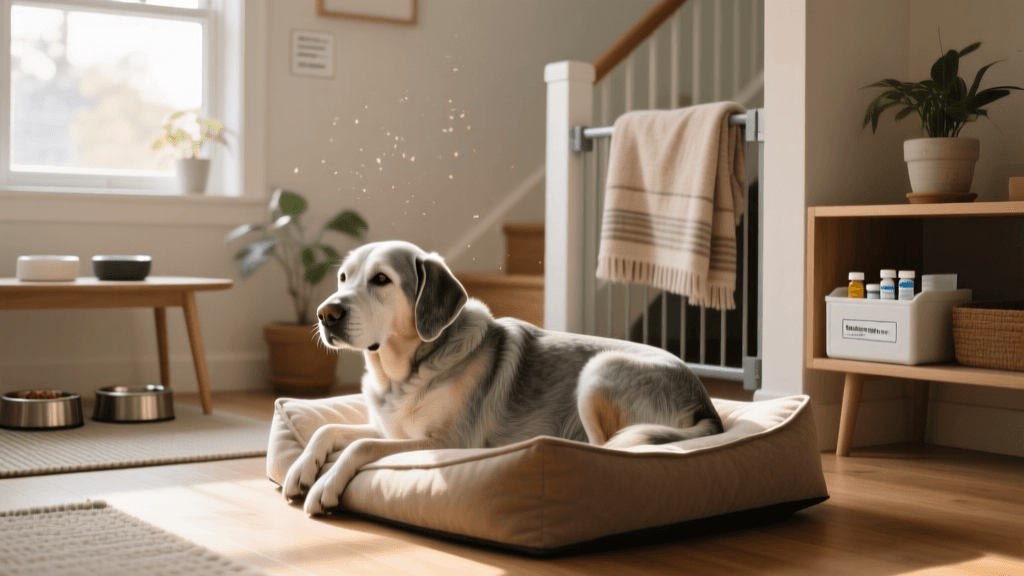
Watching your vibrant puppy grow into a distinguished senior dog is one of the most rewarding journeys in pet ownership. However, the transition into the golden years requires a proactive shift in how you manage your home environment, daily routines, and healthcare budget. As dogs age, their mobility, sensory perception, and metabolic rates change, demanding specific adaptations to ensure their quality of life remains high.
Understanding the Senior Life Stage
Before adapting your lifestyle, it is crucial to understand when your dog officially enters their senior years. The timeline varies drastically based on breed size and genetics. According to the American Animal Hospital Association (AAHA), small breed dogs may not show signs of aging until they are 10 to 12 years old, whereas giant breeds can enter their senior life stage as early as 5 to 6 years of age. Recognizing these milestones allows you to implement preventative care and home modifications before severe mobility or cognitive issues arise.
Adapting Your Home for Mobility and Comfort
Osteoarthritis and general joint stiffness affect a significant percentage of aging dogs. Hardwood floors and tile, while easy to clean, can become hazardous slip-and-fall zones for senior pets with weakening hindquarters.
Flooring and Traction
Invest in non-slip solutions to help your dog navigate your home confidently. Interlocking foam puzzle tiles or washable non-slip rug brands like Ruggable can provide the necessary traction. Focus on high-traffic areas and the pathways leading to their food bowls, water stations, and outdoor potty spots. Expect to spend between $50 and $150 to adequately cover a standard living room and hallway.
Accessibility Aids: Ramps and Stairs
Jumping onto beds or into vehicles puts immense strain on aging joints. Replace the expectation of jumping with accessible alternatives:
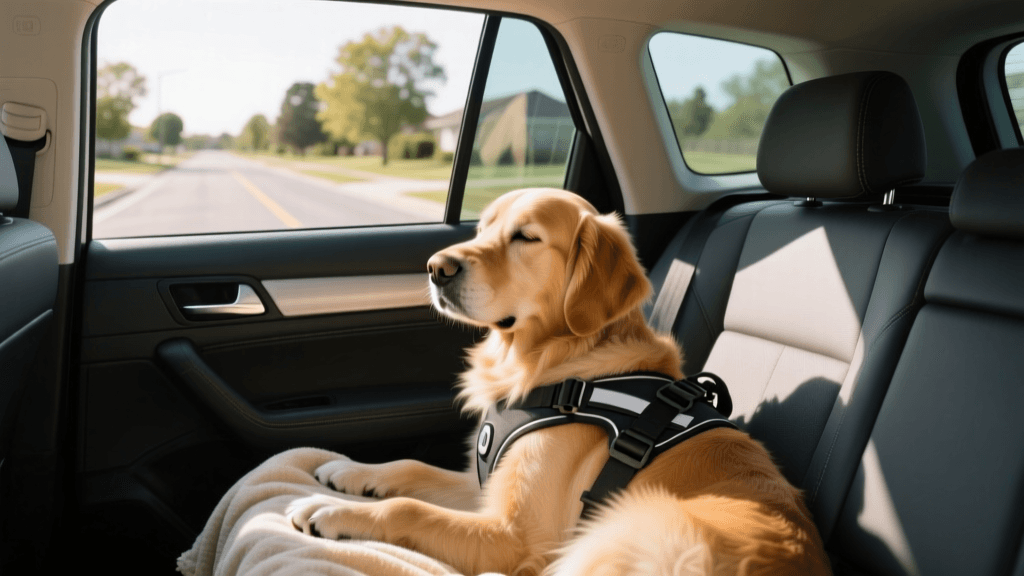
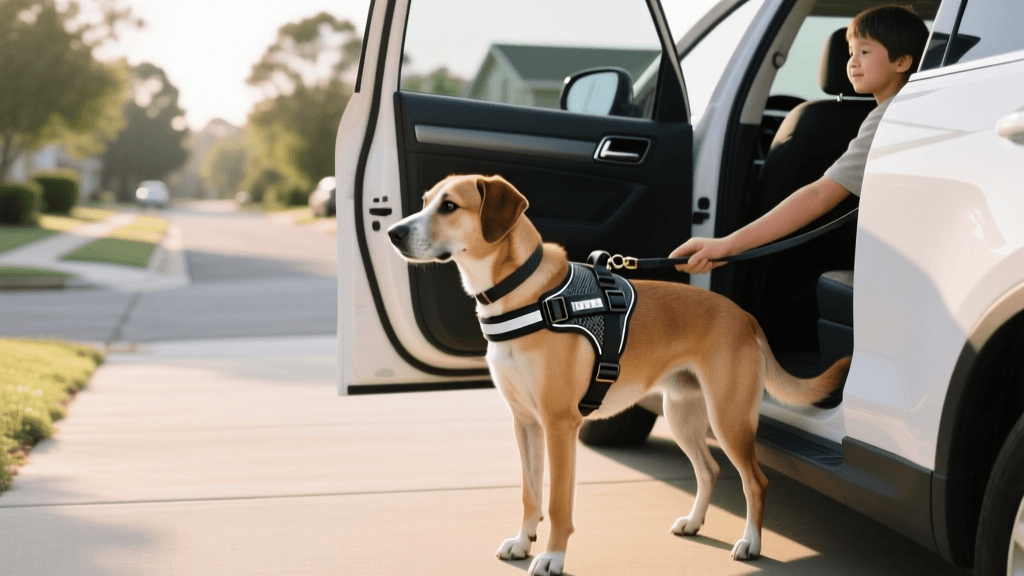
- Vehicle Ramps: The Pet Gear Tri-Fold Ramp (approx. $60-$80) is lightweight, supports up to 200 lbs, and folds compactly for your trunk.
- Bed Stairs: For indoor furniture, high-density foam pet stairs like the PetSafe CozyUp Folding Pet Steps (approx. $40-$50) offer a gentle incline.
Orthopedic Sleeping Arrangements
Standard polyester-filled dog beds flatten out and offer zero joint support. Upgrading to a therapeutic orthopedic bed is non-negotiable for senior care. The Big Barker 7-Inch Pillow Top Orthopedic Dog Bed (ranging from $240 to $300) utilizes American-made therapeutic foam that is clinically proven to reduce joint pain and improve mobility. While the upfront cost is high, the 10-year warranty and profound impact on your dog's daily comfort make it a worthwhile investment.
Adjusting Daily Routines and Exercise
While your senior dog may no longer be able to hike ten miles on a Saturday morning, maintaining physical activity is vital for muscle retention and joint lubrication. The key is modifying the intensity and duration of the exercise.
Micro-Walks and Sniffaris
Transition from one long 45-minute walk to three shorter 15-minute micro-walks spread throughout the day. Incorporate Sniffaris—leisurely strolls where the dog is allowed to stop and sniff every tree and bush. Sniffing provides immense mental stimulation, which can tire out a senior dog just as effectively as physical running, without the orthopedic wear and tear.
Enrichment for Aging Senses
As vision and hearing decline, dogs rely more heavily on their sense of smell. Engage their brain with low-impact enrichment tools:
- Snuffle Mats: Hide dry treats in a fabric snuffle mat (approx. $20-$30) to encourage natural foraging behaviors.
- Lick Mats: The LickiMat Soother (approx. $15) spread with plain pumpkin puree or low-sodium bone broth and frozen provides soothing mental engagement and promotes saliva production for better digestion.
Managing Canine Cognitive Dysfunction (CCD)
Similar to dementia in humans, Canine Cognitive Dysfunction (CCD) affects a large portion of the senior dog population. Symptoms include disorientation, changes in sleep-wake cycles, and house-soiling. To help manage CCD, maintain a strict, predictable daily routine. Keep furniture in the same place to assist dogs with declining vision or spatial awareness. Nightlights can be incredibly helpful for senior dogs experiencing vision loss or sundowning, helping them navigate to their water bowls or potty pads during the night without experiencing panic or confusion.
Nutrition and Targeted Supplementation
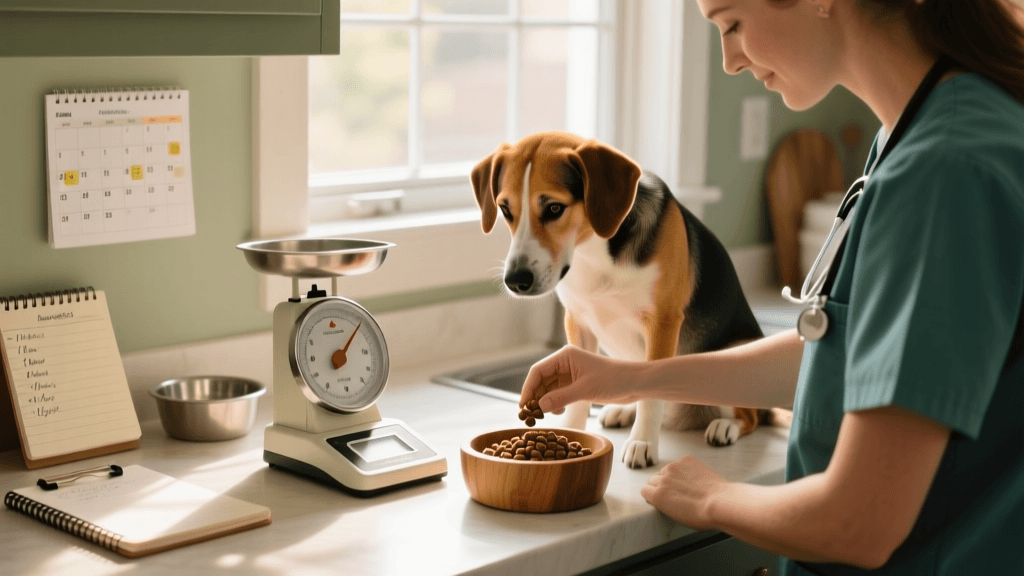
Aging alters a dog's metabolic rate and digestive efficiency. The ASPCA notes that senior dogs often require diets with adjusted calorie densities to prevent obesity, which exacerbates joint issues, while maintaining high-quality, easily digestible proteins to prevent muscle wasting.
Consult your veterinarian about transitioning to a senior-specific formula. Additionally, targeted supplementation can bridge the gap in joint and cognitive health:
- Joint Support: Dasuquin Advanced (approx. $70 for a 150-count bottle) contains ASU (Avocado/Soybean Unsaponifiables), which helps prevent cartilage breakdown.
- Omega-3 Fatty Acids: Nordic Naturals Omega-3 Pet (approx. $25) provides EPA and DHA to reduce systemic inflammation and support cognitive function.
Budgeting for Senior Dog Care
Caring for an older dog requires a shift in your annual pet budget. Preventative care and comfort items will increase, but proactive spending can prevent exorbitant emergency veterinary bills later. Below is a structured breakdown of estimated annual costs associated with senior dog care.
| Care Category | Specific Item / Service | Estimated Cost (USD) | Frequency |
|---|---|---|---|
| Veterinary | Bi-Annual Senior Wellness Exam & Blood Panel | $300 - $500 | Twice Yearly |
| Supplements | Joint & Omega-3 Support (e.g., Dasuquin, Nordic Naturals) | $150 - $250 | Annually |
| Home Modification | Orthopedic Bed, Ramps, Non-Slip Rugs | $200 - $400 | One-Time / Replacement |
| Grooming & Hygiene | Mobile Grooming or Assisted Bathing Services | $80 - $150 | Monthly |
| Dental Care | Professional Dental Cleaning under Anesthesia | $500 - $1,200 | As Needed (Typically Yearly) |
Veterinary Preventative Care and Screenings
The American Kennel Club (AKC) strongly recommends that senior dogs visit the veterinarian at least twice a year. Because dogs age much faster than humans, a six-month interval is equivalent to a human visiting the doctor every three to four years.
During these visits, request a comprehensive senior blood panel, including a complete blood count (CBC), chemistry panel, and thyroid evaluation. These tests establish a baseline and can detect underlying issues such as kidney disease, liver dysfunction, or hypothyroidism long before clinical symptoms appear. Furthermore, keep a close eye on dental health; periodontal disease is rampant in older dogs and can lead to systemic infections affecting the heart and kidneys.
Conclusion: Embracing the Golden Years
Sharing your life with a senior dog is a profound privilege. By making thoughtful modifications to your home, adjusting their exercise and mental enrichment routines, and budgeting for specialized veterinary care, you honor the years of joy they have brought into your life. The senior stage requires more patience and financial commitment, but the quiet companionship and deep bond you share during these twilight years are truly priceless.
robin-maitland
All our authors care for dogs every day — read more of their work on the authors page.