Top Crash-Tested Dog Car Harnesses for Safe Road Trips
Discover the best crash-tested dog car harnesses for safe travel. Compare top brands, sizing tips, and safety ratings for your next road trip with your pup.
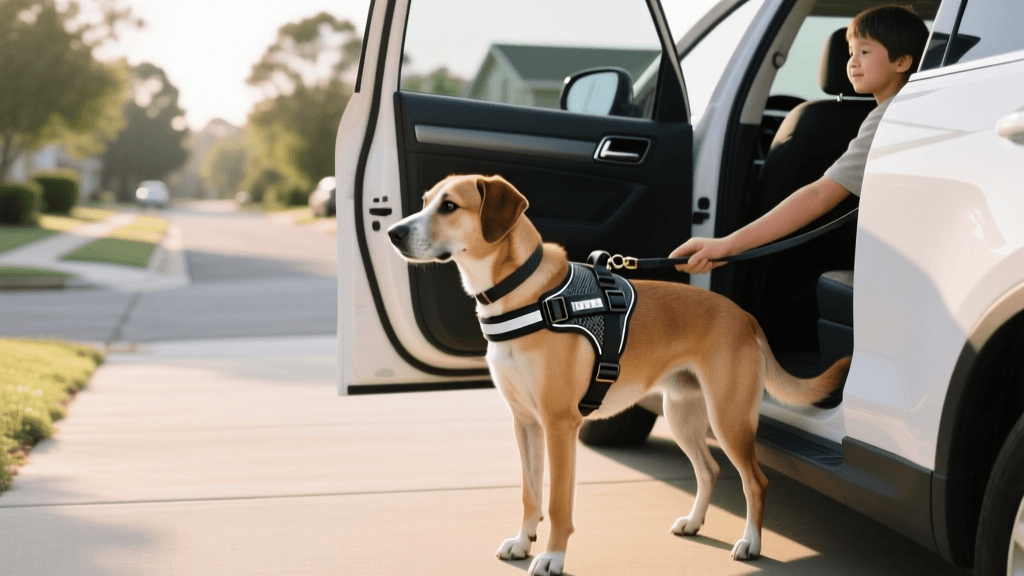
There are few things more exciting than loading up the car and hitting the open road with your furry best friend by your side. Whether you are embarking on a cross-country adventure or just making a quick trip to the local dog park, traveling with your dog is a core part of the modern pet ownership experience. However, while we instinctively buckle ourselves and our children into rigorously tested safety restraints, millions of dogs ride in vehicles completely unrestrained or secured by equipment that was never designed to withstand the violent forces of a collision.
According to the ASPCA, an unrestrained 50-pound dog becomes a 1,500-pound projectile in a crash at just 30 miles per hour. This poses a fatal risk not only to the dog but to every human passenger in the vehicle. To protect your family and your pup, investing in a certified crash-tested dog car harness is non-negotiable. In this comprehensive buyer's guide, we break down the science of pet travel safety, review the top crash-tested harnesses on the market, and provide actionable advice for your next road trip.
Why Standard Walking Harnesses Fail in the Car
Many well-meaning dog owners assume that a standard walking harness, clipped to a seatbelt tether, provides adequate car safety. This is a dangerous misconception. Walking harnesses are engineered to distribute the relatively low-impact force of a dog pulling on a leash. They are typically constructed with lightweight nylon webbing, plastic buckles, and standard stitching.
In the event of a sudden stop or a vehicular collision, the kinetic energy transferred through the harness is immense. Standard plastic buckles will shatter instantly under this load. The lightweight stitching will tear, and the thin webbing can act like a wire, causing severe internal injuries or decapitation. A true car safety harness must be built with heavy-duty materials, steel or reinforced hardware, and specialized energy-absorbing padding to manage crash forces safely.
The Gold Standard: Center for Pet Safety (CPS)
Unlike child safety seats, pet travel products are not regulated by the federal government. This means any company can legally label their product as 'crash-tested' or 'safe' without conducting a single verifiable test. To combat this, the Center for Pet Safety (CPS) was founded. CPS is a non-profit research and consumer advocacy organization dedicated to companion animal safety.
CPS conducts independent, rigorous crash tests on pet products using the same Federal Motor Vehicle Safety Standard (FMVSS 213) criteria used for child restraint systems. They use specially engineered, realistic crash-test dogs equipped with sensors to measure the exact forces exerted on the animal's spine and internal organs. When you see the CPS Certified seal on a harness, it means the product has passed these grueling independent tests and will keep your dog secured and protected during an impact.
Top 3 Crash-Tested Dog Car Harnesses Reviewed
1. Sleepypod Clickit Sport (Best Overall)
The Sleepypod Clickit Sport is widely considered the gold standard for everyday canine car safety. It was one of the first harnesses to pass the rigorous CPS certification and remains a top choice for its blend of safety, comfort, and ease of use. The harness features a unique three-point connection system that secures the dog across the chest and back, distributing crash forces evenly and preventing dangerous rotation.
- Key Features: Energy-absorbing padded vest, three-point seatbelt connection, reflective strips for night visibility.
- Pros: Extremely easy to buckle in (the seatbelt simply threads through the rear loops), doubles as a walking harness, machine washable.
- Cons: The wide chest plate may restrict shoulder movement for some breeds during long walks.
- Price Range: $85 - $95
- Weight Limit: Up to 90 lbs (Sizing is based on chest girth, not weight).
2. Kurgo Tru-Fit Smart Harness (Best Value)
For budget-conscious pet parents who refuse to compromise on safety, the Kurgo Tru-Fit Smart Harness is an outstanding option. Originally designed with rock-climbing technology in mind, this harness utilizes steel nesting buckles that are virtually indestructible. To achieve CPS certification, Kurgo developed a specialized 10-inch lead with a carabiner that attaches the harness directly to the vehicle's seatbelt system, limiting the dog's forward excursion during a crash.
- Key Features: Steel nesting buckles, broad padded chest plate, dual-purpose design (car and walking), includes a 10-inch seatbelt tether.
- Pros: Highly affordable, incredibly durable hardware, no-pull front leash ring for walking.
- Cons: The threading process for the seatbelt tether can be slightly more cumbersome than the Sleepypod's loop system.
- Price Range: $35 - $45
- Weight Limit: Up to 75 lbs (Verified in CPS testing; larger dogs may exceed the tested kinetic limits).
3. Sleepypod Clickit Terrain (Best for Active & Working Dogs)
If you frequently transition from the car to the hiking trail, or if you have a working/service dog, the Sleepypod Clickit Terrain offers premium upgrades over the Sport model. It features the same CPS-certified three-point safety design but incorporates auto-locking buckles on the rear legs, making it significantly easier to secure a wiggly or anxious dog. The rugged exterior is highly resistant to dirt and water, and the reflective material is highly visible in low light.
- Key Features: Auto-locking rear buckles, heavy-duty reflective material, padded chest, compatibility with sleepypod accessories (like the Terrain Pack).
- Pros: Easier to put on active dogs, superior durability for outdoor use, excellent visibility.
- Cons: Higher price point, slightly heavier than the Sport model.
- Price Range: $100 - $115
- Weight Limit: Up to 90 lbs.
Comparison Chart: Crash-Tested Harnesses
| Brand & Model | CPS Certified | Price Range | Tested Weight Limit | Best For |
|---|---|---|---|---|
| Sleepypod Clickit Sport | Yes | $85 - $95 | Up to 90 lbs | Everyday use & ease of buckling |
| Kurgo Tru-Fit Smart | Yes (with tether) | $35 - $45 | Up to 75 lbs | Budget buyers & dual-purpose walking |
| Sleepypod Clickit Terrain | Yes | $100 - $115 | Up to 90 lbs | Active dogs & rugged outdoor use |
Harness vs. Crash-Tested Crate: Which is Better?
A common question among pet parents is whether a harness or a crash-tested crate is the safer option. The answer depends entirely on your vehicle type and your dog's size. According to the American Veterinary Medical Association (AVMA), the safest place for a pet in a vehicle is restrained in the back seat or the cargo area of an SUV.
For small to medium-sized dogs (under 90 lbs), a CPS-certified harness used in the rear passenger seat is incredibly safe and space-efficient. However, for giant breeds (like Great Danes or Mastiffs) that exceed harness weight limits, or for owners of SUVs and station wagons, a CPS-certified crash-tested crate (such as those made by Gunner or Variocage) strapped down in the cargo area is the ultimate gold standard. Crates provide a protective shell that prevents crushing injuries in the event of a severe rollover or rear-end collision.
How to Measure Your Dog for a Car Harness
A crash-tested harness is only effective if it fits perfectly. A loose harness will allow the dog to 'submarine' out from under the straps during a crash, while a tight harness can restrict breathing and cause rib injuries. Follow these steps for a perfect fit:
- Measure the Chest Girth: Using a soft tailor's measuring tape, measure the widest part of your dog's ribcage, usually just behind the front legs. Ensure the tape is snug but not tight.
- Measure the Neck: Measure the base of the neck where the collar naturally rests. (Note: Not all car harnesses require a neck measurement, but it is crucial for models like the Kurgo Tru-Fit).
- Weigh Your Dog: While sizing is primarily based on girth, knowing your dog's exact weight ensures they fall within the kinetic safety limits tested by the CPS.
- The Two-Finger Rule: Once the harness is on, you should be able to slide exactly two fingers flat between the straps and your dog's body. This ensures it is secure without cutting off circulation.
Essential Tips for Safe Dog Car Travel
Beyond investing in the right safety gear, practicing good travel habits is essential for a smooth journey. Keep these expert-backed tips in mind before you turn the ignition:
- Always Use the Back Seat: Never secure a dog in the front passenger seat. If an accident occurs and the airbag deploys, the force can be fatal to a dog, even if they are in a crash-tested harness.
- Acclimate Your Dog Slowly: If your dog is anxious about car rides, do not force them into a harness and immediately drive on the highway. Start by having them wear the harness in the living room, then in the parked car, followed by short drives around the block.
- Schedule Frequent Breaks: The AVMA recommends stopping every two to three hours to allow your dog to stretch their legs, relieve themselves, and hydrate. Always use a secure leash when opening the car doors at rest stops.
- Never Leave Your Dog in a Parked Car: Even on mild days with the windows cracked, the temperature inside a vehicle can spike to lethal levels within minutes. If you need to stop for food or supplies, take turns staying outside with your dog or use drive-through services.
Final Thoughts
Sharing your life with a dog means taking responsibility for their safety in every environment, especially on the road. While the upfront cost of a premium, crash-tested car harness might seem high compared to a standard walking harness, it is a minor investment compared to the irreplaceable value of your dog's life. By choosing a CPS-certified product like the Sleepypod Clickit Sport or the Kurgo Tru-Fit, and adhering to safe travel practices, you can ensure that every road trip you take together is as safe as it is memorable.
jonas-cole
All our authors care for dogs every day — read more of their work on the authors page.