Senior Dog Care: Nutrition, Joint, and Cognitive Health
Discover essential senior dog care tips for nutrition, joint health, and cognitive support. Keep your aging canine companion happy, healthy, and active.
Understanding the Senior Life Stage
Welcoming the golden years of your dog's life requires a proactive shift in how you approach their daily care, environment, and medical needs. The term 'senior' is not a one-size-fits-all designation; rather, it is deeply tied to your dog's breed size and genetics. Large and giant breeds, such as Great Danes or Bernese Mountain Dogs, may enter their senior years as early as 5 to 6 years of age. Conversely, smaller breeds like Chihuahuas or Toy Poodles might not exhibit signs of aging until they are 10 or 11 years old. Recognizing these life stage transitions is critical for early intervention in age-related diseases and ensuring your pet maintains a high quality of life.
According to the American Veterinary Medical Association (AVMA), aging is a natural process that brings about gradual changes in organ function, metabolism, and mobility. By understanding the specific needs of your aging canine, you can implement targeted strategies that add not just years to their life, but life to their years.
Nutritional Shifts for Aging Canines
As your dog's metabolism naturally slows down, their caloric requirements typically decrease by 10% to 20%. However, a common misconception is that senior dogs need drastically lower protein diets. In reality, unless your dog has a specific medical condition like advanced chronic kidney disease, aging canines require highly digestible, high-quality protein to prevent sarcopenia (age-related muscle loss). Experts at the Tufts University Cummings School of Veterinary Medicine emphasize that healthy senior dogs should consume diets containing 28% to 32% protein on a dry matter basis.
Actionable Nutritional Adjustments
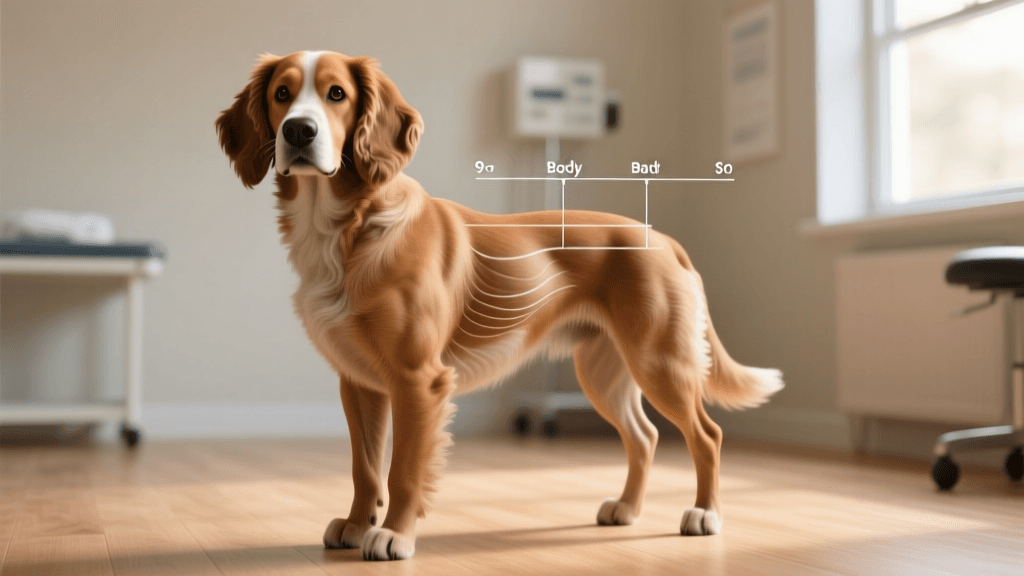
- Caloric Management: Monitor your dog's body condition score (BCS) monthly. An ideal BCS is 4 or 5 out of 9. If your dog is gaining weight, reduce daily caloric intake by 10% and replace high-calorie treats with low-calorie alternatives like baby carrots or green beans.
- Omega-3 Fatty Acids: Supplementing with EPA and DHA is crucial for combating systemic inflammation and supporting brain health. Aim for a combined EPA/DHA dose of 1,000 mg per 22 lbs (10 kg) of body weight daily. High-quality fish oil supplements typically cost between $25 and $40 for a 16 oz bottle.
- Hydration Strategies: Senior dogs are more prone to dehydration, especially if kidney function is declining. Incorporate wet food into their diet or add warm, low-sodium bone broth to their kibble to increase moisture intake.
- Cost Expectation: Premium senior-specific or joint-support dry dog foods generally range from $60 to $90 per 30 lb bag, lasting a 50 lb dog approximately 4 to 5 weeks.
Protecting Joint Health and Mobility
Osteoarthritis is one of the most prevalent conditions in aging dogs, affecting an estimated 80% of canines over the age of 8. The degradation of articular cartilage leads to pain, stiffness, and a reluctance to engage in previously enjoyed activities like climbing stairs or jumping into the car. Managing joint health requires a multimodal approach combining environmental modifications, weight management, and targeted supplementation.
Environmental Modifications
Reduce the physical strain on your dog's joints by altering their living space. Invest in an orthopedic memory foam bed with a waterproof liner (typically costing $80 to $150) to provide adequate support for aching hips and elbows. For vehicles or elevated furniture, use foldable pet ramps or pet stairs ($40 to $90). When selecting a ramp, ensure the incline ratio is gentle; ideally, the ramp should be three times as long as the height it is bridging to prevent joint strain during ascent and descent.
Comparison Chart: Joint Supplements for Senior Dogs
| Supplement Type | Primary Benefit | Recommended Dosage (per 50 lbs) | Estimated Monthly Cost |
|---|---|---|---|
| Glucosamine HCl & Chondroitin | Supports cartilage repair and synovial fluid production | 1000 mg Glucosamine / 800 mg Chondroitin | $25 - $40 |
| Green Lipped Mussel (GLM) | Provides natural ETA (eicosatetraenoic acid) for inflammation | 500 mg - 1000 mg of pure GLM extract | $30 - $55 |
| Undenatured Type II Collagen (UC-II) | Modulates immune response to prevent cartilage breakdown | 40 mg daily (highly concentrated) | $45 - $60 |
Cognitive Health and Canine Dementia
Canine Cognitive Dysfunction (CCD), often referred to as doggy dementia, is a neurodegenerative disease that mirrors Alzheimer's disease in humans. The Washington State University College of Veterinary Medicine notes that signs of CCD include disorientation, altered interactions with family members, changes in sleep-wake cycles, and house-soiling in previously trained dogs.
Proactive Cognitive Enrichment
Mental stimulation is just as vital as physical exercise for the senior dog brain. Neuroplasticity can be encouraged through daily enrichment activities that force your dog to use their senses and problem-solving skills.
- Scent Work and Snuffle Mats: Hide small portions of their daily kibble allocation in a snuffle mat ($15 to $25) or around the living room. This taps into their natural foraging instincts and provides intense mental fatigue without requiring physical exertion.
- MCT Oil Supplementation: Medium-Chain Triglycerides (MCTs) provide an alternative energy source for aging brains that struggle to metabolize glucose. Start with 1/4 teaspoon per 10 lbs of body weight and gradually increase to 1 teaspoon per 10 lbs to avoid gastrointestinal upset.
- Interactive Puzzle Toys: Toys like the Kong Wobbler or Outward Hound puzzle boards ($15 to $30) require the dog to manipulate objects with their paws and nose, keeping neural pathways active and engaged.
Preventive Veterinary Care and Diagnostics
The most critical component of senior dog care is a shift in veterinary visit frequency. While adult dogs typically require annual check-ups, senior dogs should transition to bi-annual wellness exams (every 6 months). Because dogs age at a much faster rate than humans, a six-month gap can represent the equivalent of three to four human years, allowing diseases to progress significantly if left unmonitored.
Essential Senior Blood Panels
During these visits, request a comprehensive senior diagnostic blood panel, which typically costs between $150 and $300 depending on your geographic location and clinic. Key markers to monitor include:
- SDMA (Symmetric Dimethylarginine): A highly sensitive biomarker that can detect kidney function decline much earlier than traditional BUN and Creatinine tests.
- Total T4 (Thyroid): Hypothyroidism is common in older dogs and can cause lethargy, weight gain, and skin issues.
- ALT and ALP (Liver Enzymes): Elevated levels can indicate liver disease, Cushing's disease, or adverse reactions to long-term NSAID use for arthritis.
- Urinalysis: Crucial for checking urine specific gravity and detecting early signs of urinary tract infections or proteinuria, which often accompany chronic kidney disease.
Dental Care in the Golden Years
Dental disease is a silent thief of longevity. By age three, most dogs have some evidence of periodontal disease, and by their senior years, untreated dental issues can lead to systemic infections affecting the heart, liver, and kidneys. Daily tooth brushing with an enzymatic, VOHC-approved (Veterinary Oral Health Council) poultry or beef-flavored toothpaste is the gold standard. If your senior dog will not tolerate brushing, utilize VOHC-approved dental chews or water additives. Avoid hard items like antlers, marrow bones, or hard nylon toys, as senior teeth are more brittle and prone to painful slab fractures that require expensive surgical extractions ($800 to $1,500 per tooth).
Conclusion: Embracing the Journey
Caring for a senior dog is a profound privilege. While the golden years bring undeniable challenges, they also offer a deep, quiet companionship forged over a lifetime of shared experiences. By adjusting their nutrition to support aging muscles, modifying their environment to protect aching joints, stimulating their minds to ward off cognitive decline, and partnering closely with your veterinarian for early disease detection, you can ensure your loyal companion remains comfortable, dignified, and deeply loved in their twilight years.
tom-renshaw
All our authors care for dogs every day — read more of their work on the authors page.