Dog Joint Pain: Diagnosing and Treating Canine Osteoarthritis
Learn how to diagnose and treat canine osteoarthritis. Discover actionable solutions, joint supplements, and pain management strategies for your senior dog.
The Silent Epidemic: Recognizing Canine Osteoarthritis
Canine osteoarthritis (OA), also known as degenerative joint disease, is a progressive, inflammatory condition that affects the cartilage and surrounding structures of a dog's joints. As a senior SEO content writer and dog care advocate, I often see owners miss the early signs of this debilitating condition. Unlike humans, dogs are evolutionarily hardwired to mask pain, making early problem diagnosis incredibly challenging. According to the American Kennel Club, osteoarthritis affects approximately 20% of dogs over the age of one, and that number skyrockets to over 80% in senior dogs. Understanding the mechanics of joint degradation is the first step toward implementing effective, long-term solutions that preserve your dog's quality of life.
Problem Diagnosis: Identifying Joint Pain Early
Because dogs rarely whine or cry when experiencing chronic joint pain, owners must become detectives. The problem often begins subtly—a slight hesitation before jumping into the car, a stiff gait after waking up from a nap, or a sudden reluctance to play fetch. If left undiagnosed, the cartilage continues to wear away, leading to bone-on-bone friction, chronic inflammation, and severe mobility loss.
At-Home Observation Checklist
Before visiting the veterinarian, spend a week observing your dog's daily routines. Take note of the following clinical signs and compile them into a log to share with your vet:
- Morning Stiffness: Difficulty rising from a resting position that improves slightly after moving around for 10 to 15 minutes.
- Gait Alterations: Limping, favoring one leg, or 'bunny-hopping' (using both hind legs simultaneously) when running.
- Behavioral Changes: Increased irritability, reluctance to be petted near the hips or spine, or hiding in secluded areas.
- Activity Avoidance: Refusing to climb stairs, jump onto the couch, or navigate slippery hardwood floors.
- Muscle Atrophy: Noticeable thinning of the thigh muscles (quadriceps) in the affected limbs due to decreased weight-bearing.
- Excessive Licking: Obsessively licking or chewing at specific joints, often the carpus (wrist) or stifle (knee).
The Veterinary Diagnostic Process
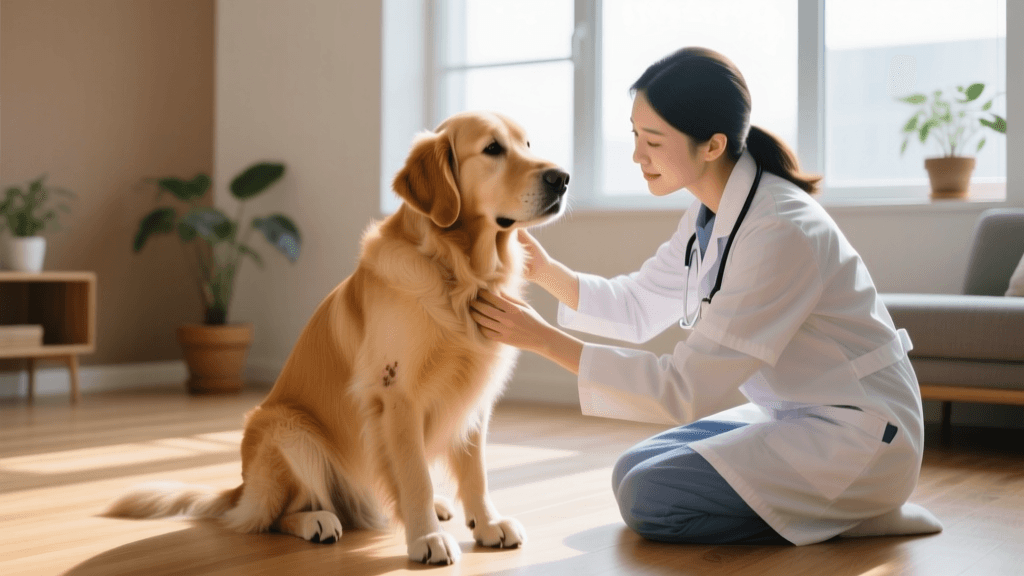
A definitive diagnosis requires a professional veterinary evaluation. Expect to spend between $150 and $350 for a comprehensive orthopedic exam and diagnostic imaging. The vet will perform a gait analysis, palpate the joints for swelling, heat, and crepitus (a crunching sensation caused by bone friction), and assess the range of motion. Radiographs (X-rays) are the gold standard for confirming OA, revealing narrowed joint spaces, osteophytes (bone spurs), and subchondral bone sclerosis. Research highlighted by Cornell University College of Veterinary Medicine emphasizes that combining physical exams with radiographic evidence is crucial for staging the disease and tailoring a multi-modal treatment plan.
Actionable Solutions: A Multi-Modal Treatment Plan
There is no cure for canine osteoarthritis, but a multi-modal approach can significantly slow disease progression and manage pain. This strategy combines weight management, targeted nutrition, pharmaceutical interventions, and environmental modifications.
1. Weight Management and Dietary Adjustments
Excess body weight is the single most modifiable risk factor for OA progression. Every extra pound places exponential stress on compromised joints. Your dog should maintain an ideal Body Condition Score (BCS) of 4 or 5 on a 9-point scale, where ribs are easily palpable without a thick fat covering. Work with your vet to calculate your dog's Resting Energy Requirement (RER) and feed them using a digital gram scale rather than a standard measuring cup to ensure precise portion control. For dogs needing specialized nutrition, therapeutic diets like Hill's Prescription Diet j/d or Purina Pro Plan Veterinary JM Joint Mobility are fortified with high levels of Omega-3 fatty acids and antioxidants designed to reduce joint inflammation.
2. Targeted Joint Supplements
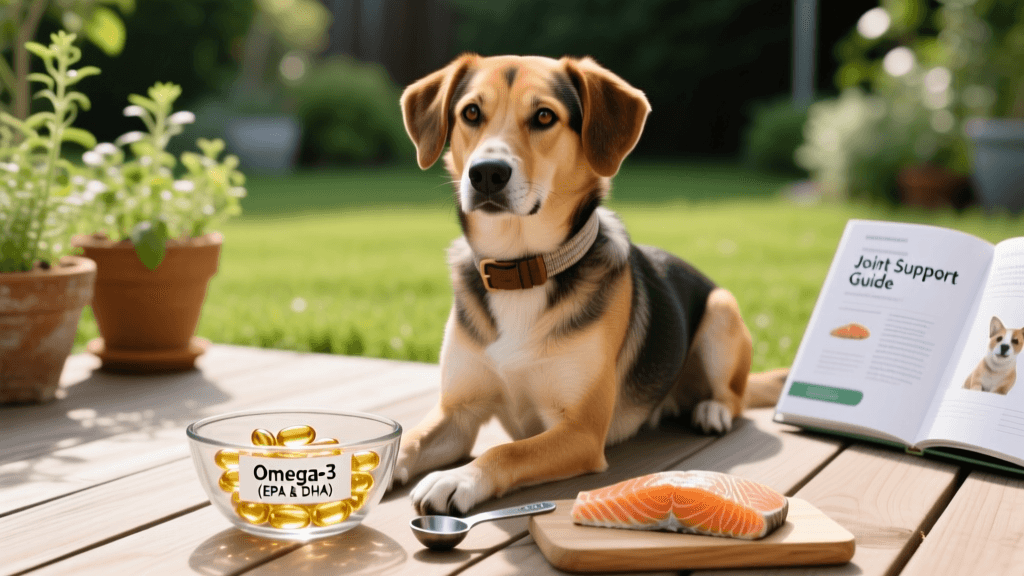
Nutraceuticals are a cornerstone of early-stage OA management. When selecting a supplement, look for products backed by clinical trials and bearing the National Animal Supplement Council (NASC) seal. VCA Animal Hospitals recommend formulations containing a synergistic blend of Glucosamine Hydrochloride, Chondroitin Sulfate, and MSM. A standard therapeutic dosage is approximately 500mg of Glucosamine and 400mg of Chondroitin per 25 pounds of body weight daily. Additionally, marine-derived Omega-3 fatty acids (specifically EPA and DHA) are potent anti-inflammatories. Aim for a combined EPA/DHA dose of 300mg per 10 pounds of body weight. Premium brands like Dasuquin Advanced or Cosequin typically cost between $30 and $60 per month, depending on your dog's size.
3. Prescription Pain Management
When supplements and diet are no longer sufficient, pharmaceutical interventions become necessary. Non-Steroidal Anti-Inflammatory Drugs (NSAIDs) such as Carprofen (Rimadyl) or Meloxicam (Metacam) are the first line of defense, effectively reducing pain and inflammation. These typically cost between $20 and $60 per month. For dogs that cannot tolerate NSAIDs due to liver or kidney issues, alternative medications like Gabapentin or Amantadine may be prescribed to target neuropathic pain pathways. Recently, the veterinary field has seen a breakthrough with Librela (bedinvetmab), a monthly monoclonal antibody injection that specifically targets Nerve Growth Factor (NGF) to block pain signals at the source.
Comparison Chart: Osteoarthritis Treatment Options
Choosing the right combination of treatments depends on the stage of OA, your dog's overall health, and your budget. Below is a structured comparison of the most common therapeutic options:
| Treatment Type | Estimated Monthly Cost | Time to Effect | Primary Benefit & Best Use Case |
|---|---|---|---|
| Omega-3 Fatty Acids (Fish Oil) | $15 - $30 | 4 to 8 weeks | Natural anti-inflammatory; best for early-stage prevention and mild stiffness. |
| Glucosamine/Chondroitin | $30 - $60 | 4 to 6 weeks | Supports cartilage matrix synthesis; ideal for mild to moderate OA. |
| NSAIDs (e.g., Carprofen) | $20 - $60 | 1 to 2 hours | Rapid pain and inflammation relief; essential for acute flare-ups and moderate OA. |
| Adequan Injections (Polysulfated Glycosaminoglycan) | $50 - $100 (per series) | 2 to 4 weeks | Inhibits cartilage-degrading enzymes; excellent for altering disease progression. |
| Librela (Monoclonal Antibody) | $100 - $250 | 1 to 2 injections | Targets NGF pain signals; revolutionary for severe OA or dogs with organ dysfunction. |
4. Environmental and Lifestyle Modifications
Modifying your home environment is a highly effective, non-pharmacological solution to reduce daily joint strain. Hardwood, tile, and laminate floors are incredibly slippery and force dogs to use micro-muscle stabilizers that exacerbate joint fatigue. Invest in interlocking foam floor tiles or lay down non-slip area rugs with rubberized backing in your dog's primary pathways. Provide an orthopedic bed made of high-density memory foam; brands like Big Barker offer beds with a minimum of 4 inches of therapeutic foam (costing $200 to $300) that prevent heavy joints from bottoming out against the hard floor. Furthermore, eliminate the need for jumping by placing a pet ramp, such as the PetSafe Happy Ride Folding Ramp ($40 to $80), next to your vehicle or the master bed. Finally, elevate your dog's food and water bowls to chest height to relieve stress on the cervical spine and shoulder joints during meals.
Long-Term Prognosis and Monitoring
Managing canine osteoarthritis is a lifelong commitment that requires ongoing evaluation. Schedule veterinary check-ups every six months to monitor your dog's weight, assess joint mobility, and perform routine bloodwork if they are on long-term NSAIDs. Adjust your treatment plan seasonally; many dogs experience worsened symptoms during cold, damp winter months and may require temporary dosage increases or the addition of physical therapies like laser therapy or hydrotherapy. By combining vigilant problem diagnosis with a comprehensive, multi-modal solution strategy, you can ensure your senior dog remains comfortable, active, and happy well into their golden years.
anouk-beaumont
All our authors care for dogs every day — read more of their work on the authors page.