Fueling Focus: Nutrition Strategies For Reactive Dog Training
Discover how to balance high-value treats for reactive dog training with weight management. Learn calorie tracking, healthy alternatives, and feeding tips.
The Hidden Caloric Cost of Behavioral Conditioning
Reactivity training is one of the most demanding disciplines in canine behavioral conditioning. Whether you are addressing leash aggression, fear-based reactivity, or resource guarding, the core of desensitization and counter-conditioning relies on creating positive emotional responses in the presence of a trigger. To achieve this, professional trainers universally recommend high-value treats. However, this creates a significant nutritional paradox: the very tools required to rehabilitate a reactive dog can inadvertently lead to severe weight gain and associated health issues.
According to the Association for Pet Obesity Prevention, over 50% of dogs in the United States are currently overweight or obese. When a moderately active 40-pound dog requires roughly 1,000 calories per day for weight maintenance, a single 30-minute reactivity training session using cubes of cheddar cheese, peanut butter, or hot dogs can easily introduce 250 to 350 extra calories. This represents up to 35% of their daily caloric allowance consumed in just half an hour. Over weeks and months of consistent behavioral conditioning, this caloric surplus leads to rapid weight gain, which in turn exacerbates joint pain, reduces mobility, and increases systemic inflammation, as noted by VCA Animal Hospitals.
High-Value Treat Hierarchy and Caloric Breakdown
To train effectively without compromising your dog's physical health, you must understand the caloric density and cost-efficiency of your training rewards. Not all high-value treats are created equal. Below is a comparison chart of popular training rewards, analyzing their nutritional impact and practical utility in the field.
| Treat Type | Calories (per oz) | Avg Cost (per lb) | Best Use Case in Training |
|---|---|---|---|
| Freeze-Dried Beef Liver | 95 kcal | $28.00 | Threshold breaking, high distraction environments |
| Zuke's Mini Naturals | 85 kcal (approx 27 treats) | $14.00 | Rapid-fire marking, continuous engagement, shaping |
| Boiled Chicken Breast | 45 kcal | $8.00 | Sustained focus, high-volume rewarding, low-calorie |
| Low-Fat String Cheese | 80 kcal | $12.00 | Quick pocket rewards, high palatability for picky eaters |
| Charlie Bear Crunchies | 115 kcal | $11.00 | Low-stress environments, basic obedience refreshers |
The Deduct and Substitute Method
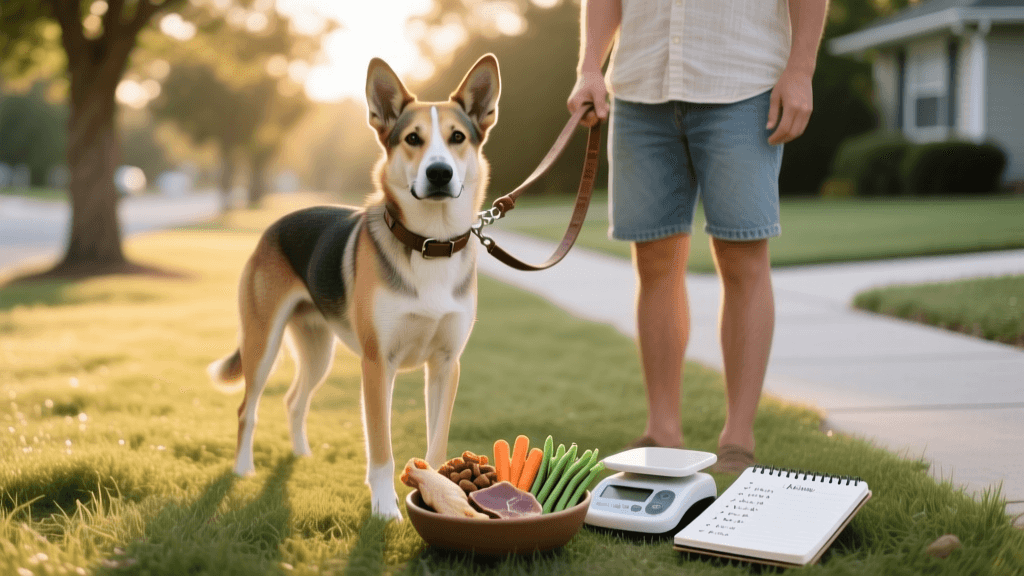
The most effective way to manage your reactive dog's weight while maintaining high motivation during training is the Deduct and Substitute method. This approach requires you to view your dog's daily food intake not as a static meal, but as a flexible caloric budget.
Step 1: Calculate the Training Budget
Before heading out for a desensitization walk, estimate how many treats you will need. If your training plan requires 50 repetitions of 'look at that' (LAT) protocols, and you are using Zuke's Mini Naturals (roughly 3 calories each), you will be feeding 150 calories. You must physically remove 150 calories worth of kibble or fresh food from their daily meal ration to compensate.
Step 2: Substitute Meals for Training Rewards
For dogs with severe reactivity, standard kibble often fails to break through their emotional threshold. Instead of relying solely on junk-food treats, transition a portion of your dog's diet to a high-moisture, fresh food diet like The Farmer's Dog or Nom Nom. You can portion out 20% of their daily fresh food ration into a silicone treat pouch. The strong scent of fresh, gently cooked meats like beef or turkey acts as a premium high-value reward, while the moisture content keeps the dog hydrated and satiated without the dense caloric load of dehydrated liver or cheese.
Nutritional Supplements to Support Nervous System Health
Reactive dogs live in a state of chronic or frequent stress. Every time your dog reacts to a trigger, their body releases cortisol and adrenaline. Over time, this chronic stress response impacts gut microbiome health and causes neuro-inflammation, making it harder for the dog to learn and retain new behavioral conditioning. Nutrition plays a vital role in supporting the nervous system during this rigorous training period.
- Omega-3 Fatty Acids (EPA and DHA): High-quality fish oil is critical for cognitive function and reducing neuro-inflammation. Veterinary nutritionists generally recommend a therapeutic dose of 100mg of combined EPA and DHA per 10kg (22 lbs) of body weight daily. Look for wild-caught Alaskan salmon oil or krill oil, ensuring the product is third-party tested for heavy metals.
- L-Theanine: This amino acid, naturally found in green tea leaves, promotes the production of alpha brain waves, inducing a state of relaxed alertness. Supplements containing L-Theanine (such as Virbac Anxitane or Solliquin) can be administered 45 minutes before a planned, high-stress training session to lower the dog's baseline arousal level, making them more receptive to counter-conditioning.
- Probiotics for the Gut-Brain Axis: Because stress depletes beneficial gut bacteria, adding a canine-specific probiotic like Purina Pro Plan FortiFlora or Nutramax Proviable can help stabilize the gut-brain axis, improving overall emotional resilience during training.
Timing, Digestion, and Bloat Prevention
When combining physical exertion with behavioral training, timing is a critical safety factor. Gastric Dilatation-Volvulus (GDV), commonly known as bloat, is a life-threatening condition where the stomach fills with gas and twists. While GDV is most common in large, deep-chested breeds, the stress of reactivity training can alter digestion and increase the risk of gastrointestinal distress in any dog.
Actionable Timing Rules:
- Never engage in high-stress behavioral conditioning or vigorous physical exercise within 60 to 90 minutes after a full meal.
- If your dog requires medication for anxiety (such as Trazodone or Gabapentin) before training, administer it with a very small, easily digestible snack (like a spoonful of plain canned pumpkin) rather than a full meal to ensure proper absorption without overfilling the stomach.
- Hydration is key. Bring a collapsible silicone bowl and offer water every 15 minutes during outdoor training sessions to prevent dry-mouth and aid in the digestion of high-protein training treats.
Sample Daily Nutrition and Training Plan
Below is a structured daily schedule for a 40-pound reactive dog undergoing daily counter-conditioning walks, utilizing the Deduct and Substitute method to maintain an ideal body condition score.
- 7:00 AM (Breakfast & Supplements): Feed 70% of the daily morning kibble/fresh food ration. Add the daily Omega-3 fish oil and probiotic supplement. Allow the dog to rest and digest.
- 9:00 AM (Morning Decompression Sniffari): Low-stress mental enrichment. Use a snuffle mat or scatter the remaining 30% of the morning meal in the grass. This burns mental energy without triggering reactivity.
- 12:30 PM (Active Reactivity Training): 30-minute desensitization walk. Use a treat pouch loaded with boiled chicken breast and freeze-dried liver. Deduct an estimated 120 calories from the evening meal to account for these rewards.
- 4:00 PM (Cognitive Trick Training): 15 minutes of indoor shaping (e.g., 'place' command or mat training). Use low-calorie Charlie Bear Crunchies. This builds confidence and focus in a safe environment.
- 6:30 PM (Dinner): Feed the evening meal, minus the 120 calories consumed during the midday training session. Incorporate a stuffed, frozen Kong toy to promote licking, which naturally releases endorphins and lowers the dog's heart rate after the day's activities.
Pro Tip: Always weigh your dog every two weeks during an intensive training program. If you notice a slight increase in body fat over the ribs, immediately reduce the base meal portion by 10%, rather than reducing the high-value training rewards, which are essential for behavioral progress.
By treating your dog's diet as an active component of their behavioral rehabilitation, you ensure they remain physically agile, cognitively sharp, and emotionally balanced. Proper nutritional management is not just about preventing obesity; it is about fueling the brain and body for the hard work of overcoming reactivity.
hannah-wickes
All our authors care for dogs every day — read more of their work on the authors page.