Step-by-Step Guide to Crate Training Adult Rescue Dogs
Learn how to crate train an adult rescue dog with our step-by-step guide. Discover timelines, crate sizes, and positive reinforcement techniques.
Why Crate Training is Crucial for Adult Rescue Dogs
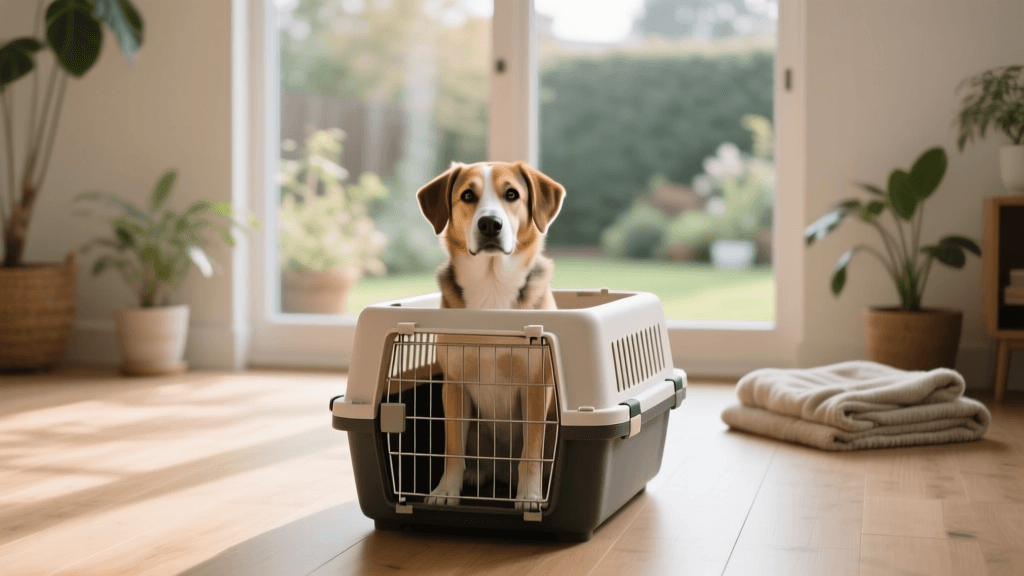
Bringing an adult rescue dog into your home is a profoundly rewarding experience, but it also comes with unique behavioral challenges. Unlike puppies, adult rescues often arrive with unknown histories, past traumas, or ingrained anxieties. According to the ASPCA, a crate provides a safe, den-like sanctuary where a dog can retreat when feeling overwhelmed. For a rescue dog navigating a chaotic new environment, this personal space is not just a management tool; it is a vital psychological anchor.
However, you cannot simply place a rescue dog inside a crate and expect immediate compliance. Doing so can trigger severe panic, claustrophobia, and a breakdown of trust. Instead, crate training an adult rescue requires patience, high-value rewards, and a methodical step-by-step approach that respects the dog's emotional boundaries.
The 3-3-3 Rule and Decompression
Before initiating any formal training, you must understand the '3-3-3 Rule' of rescue dog decompression. During the first three days, your dog may feel scared, refuse to eat, and test boundaries. During the first three weeks, they begin to settle, learn your routine, and show their true personality. By three months, they finally feel at home and build deep trust. The Best Friends Animal Society emphasizes that forcing confinement during the initial three-day decompression phase can severely damage your bond. Allow your dog to explore the home freely at first, leaving the crate door open in a common area with plush bedding inside so they can investigate it on their own terms.
Choosing the Right Crate for Your Rescue
Selecting the proper crate size and material is critical. A crate should be large enough for your dog to stand up, turn around, and lie down comfortably, but not so large that they can use one corner as a bathroom. Measure your dog from the tip of their nose to the base of their tail, and add 2 to 4 inches. For height, measure from the floor to the top of their head (or ears, if erect) and add 2 inches.
| Crate Type | Best For | Estimated Cost | Pros & Cons |
|---|---|---|---|
| Wire Crate (e.g., MidWest iCrate) | Dogs who need visibility and airflow | $60 - $90 | Pros: Folds flat, divider panels. Cons: Heavy, visually stimulating for anxious dogs. |
| Plastic Kennel (e.g., Petmate Sky) | Travel and dogs who prefer a den-like feel | $50 - $120 | Pros: Cozy, secure, airline approved. Cons: Poor ventilation, harder to clean. |
| Soft-Sided (e.g., Amazon Basics) | Calm, fully crate-trained dogs | $30 - $60 | Pros: Lightweight, portable. Cons: Easily destroyed by chewers, not for initial training. |
Pro Tip: If your rescue dog is highly anxious, drape a breathable blanket over the top and sides of a wire crate to simulate a enclosed den and reduce visual triggers from the household.
Step-by-Step Crate Training Timeline
Step 1: Introduction and Positive Association (Days 1-3)
Place the crate in a high-traffic area like the living room. Leave the door secured open. Toss high-value treats, such as Zuke's Mini Naturals or small pieces of boiled chicken, near the entrance. Do not force the dog inside. Let them enter voluntarily to retrieve the treat and immediately exit. Repeat this 10 to 15 times per session, conducting three short sessions a day. The goal is to rewire the dog's brain to associate the crate exclusively with positive outcomes.
Step 2: Feeding and Short Confinements (Days 4-7)
Once your dog willingly enters the crate for treats, begin feeding their regular meals inside. Start with the bowl near the entrance, and gradually move it to the back of the crate over several days. When they are comfortably eating at the back, gently close the door while they eat, and open it the moment they finish. According to The Humane Society of the United States, pairing meal times with crate confinement leverages a dog's natural food drive to build positive associations. After a few days of successful mealtime confinement, introduce a stuffed KONG Classic Dog Toy ($15-$20) filled with frozen peanut butter and kibble. Close the door while they lick the KONG, and open it before they finish and become frustrated.
Step 3: Extending Time and Leaving the Room (Week 2)
Now, transition from food-based lures to verbal cues. Use a consistent command like 'Kennel' or 'Place.' When your dog enters, offer praise and a long-lasting chew, such as a yak cheese chew or a bully stick. Close the door and sit quietly nearby for 5 minutes. Gradually increase this duration to 15, then 30 minutes over the course of the week. Once your dog can relax inside for 30 minutes with you present, begin stepping out of the room for 1-minute intervals. Return before they whine, toss a treat through the wire, and sit back down. Slowly extend your absences to 5, 10, and eventually 30 minutes.
Step 4: Overnight and Departure Training (Weeks 3-4)
For overnight training, move the crate into your bedroom. Rescue dogs often suffer from isolation distress, and hearing your breathing or smelling your scent nearby provides immense comfort. Take your dog out for a final potty break right before bed. If they whine during the night, wait a moment to see if they settle. If the whining persists, take them outside on a leash for a boring, strictly business potty break, then return them to the crate. Avoid scolding, as this increases anxiety. For daytime departures, keep your goodbyes and hellos incredibly low-key to avoid spiking their adrenaline.
Troubleshooting Common Rescue Dog Crate Issues
- Excessive Whining and Barking: If your dog vocalizes, ensure their physical needs (potty, exercise, hunger) are met. If they are simply demanding attention, wait for a brief 3-second window of silence before opening the door or offering a treat. Rewarding silence teaches them that quiet behavior unlocks freedom.
- Destructive Chewing on Crate Bars: This is a sign of severe distress or boredom. Ensure your dog is receiving adequate physical exercise and mental enrichment before crating. If they are damaging their teeth or paws, halt crate training immediately and consult a certified professional dog trainer (CPDT-KA) or a veterinary behaviorist.
- Soiling the Crate: Adult rescues may soil their crate due to a lack of prior housebreaking, medical issues like urinary tract infections, or extreme fear. Thoroughly clean the crate with an enzymatic cleaner like Nature's Miracle to eliminate odor markers. If the issue persists, rule out medical causes with your veterinarian.
Crate training an adult rescue dog is a marathon, not a sprint. Celebrate the micro-victories—a single voluntary step inside, a relaxed sigh, or a quiet nap—and remember that you are actively rebuilding their sense of safety in a chaotic world.
Conclusion
Crate training an adult rescue dog requires empathy, consistency, and a generous supply of high-value treats. By respecting their decompression timeline and utilizing positive reinforcement, you transform a metal or plastic box into a beloved sanctuary. Your rescue dog will not only learn to tolerate the crate; they will actively seek it out as their personal haven in your shared home.
aaron-whyte
All our authors care for dogs every day — read more of their work on the authors page.